'Lose-lose situation' for island primary schools
 BBC
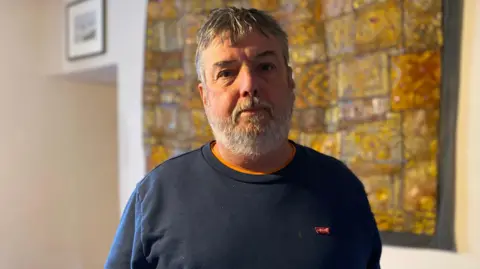
BBCGuernsey's falling birth rate is forcing difficult questions about the future of the island's primary education, according to a former deputy.
Peter Roffey said the long-term decline in pupil numbers had been clear for years and suggested a States review of the school system, now expected to begin next year, should "have taken place some years ago".
He described it as a "lose-lose situation", with fewer children overall but bigger classes due to mergers. "I'm surprised, because the birth rate has been on a steady downward trend," he said.
Director of Education Nick Hynes said schooling had "no influence over birth rates, migration to and from the island, and where in the island people live".
Roffey warned the issue required a broader, island-wide approach rather than focusing on individual schools.
"We need to look at the whole island, where the children are, how many schools we need, and what size they should ideally be."
'Parallel thinking'
He said while single-form entry schools - those that only have one class per year group - could work well, larger schools offered "far more flexibility and efficiency".
Despite fewer children overall, class sizes are increasing as schools merge classes.
"It's a bit of a lose-lose situation, there are fewer children, but classes are getting bigger," he added.
Roffey also warned the trend would eventually affect secondary education, calling for "parallel thinking" across the entire system to prepare for further declines.
New figures also show the number of classes at some of the island's primary schools will reduce this year.
Hynes added: "For this coming academic year we will have a reduction in forms of entry (number of classes) at Castel Primary and St Martin's Primary, with an increase at Vale Primary.
He said "a very limited" number of children had been allocated a place at a school outside of their catchment area, which he said was "unavoidable" in order "to meet the priority of our education strategy".
Although pupil numbers in Guernsey are falling, one parent says the impact on children could be mixed.
Teal Breaton, whose two daughters attend Castel Primary school, said her experience highlights both the challenges and benefits of smaller cohorts.
"With my eldest daughter, having the classes split and mixed each year was quite beneficial," she said.
"If children didn't get on, they could be put in different classrooms the following year."
However, she said a single-class system has worked well for her younger daughter, who is more anxious.
"Being with the same children each year has really boosted her confidence. She's not worried about who she'll be with and that's helped her settle."
Breaton said she was not surprised birth rates were declining, because the cost of living and housing on the island remained high.
"People are using their brains and going, 'we can't afford children, so we're not going to have them'."
She acknowledged that fewer pupils could eventually mean school closures.
"I could see that happening over the next 10 years," she said.
Follow BBC Guernsey on X and Facebook and Instagram. Send your story ideas to channel.islands@bbc.co.uk.
