Strangulation survivor urges stricter sentencing as crime reports increase

 BBC
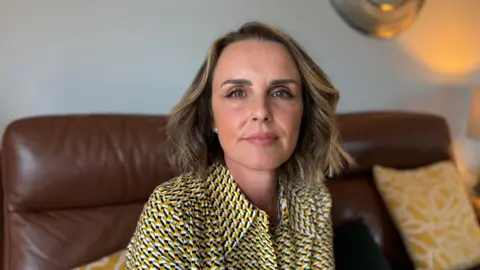
BBCA woman who was strangled during an 18-year abusive relationship has welcomed new figures showing the offence is being increasingly recognised and reported.
More than 44,000 reports of strangulation were made to police in the past year in England and Wales, according to a new report.
Rachel Williams said it was good news the offence was being taken seriously after becoming a standalone criminal offence four years ago, and that its effects can be catastrophic.
She added there was always more action to be taken to protect victims, and wants to see robust sentences for convicted perpetrators.
Warning: This article contains distressing descriptions of domestic violence
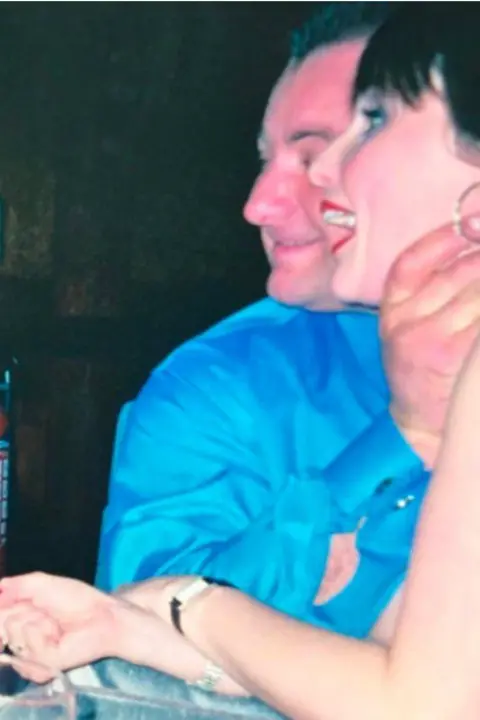 Rachel Williams
Williams, a domestic abuse survivor and campaigner, was instrumental in introducing the offences into law.
She was shot by her ex-husband in 2011 after he burst into her Newport hair salon and left her with life-changing injuries.
"Six weeks before the shooting, I was strangled so furiously that's what made me decide to leave the relationship," she said.
"It woke my kids up from the bedroom upstairs and one of them said they thought they could hear a pig squealing because of the noise I was making."
She said it had happened on numerous occasions but had felt it was not a "big deal" as it often only left her with a sore throat.
She said she did not realise the effects it could have which, according to the NHS, include strokes, brain injuries and long-term cognitive issues.
She said it was a key factor behind her campaigning for the law change as she "didn't realise how close to death she was" with his hands around her neck.
Williams said: "It's great to see the figures in this report, which show the awareness is out there and victims are seeing the seriousness and deciding to report this."
But she believes the actual figures are much higher due to not all people feeling they can report it to the police.
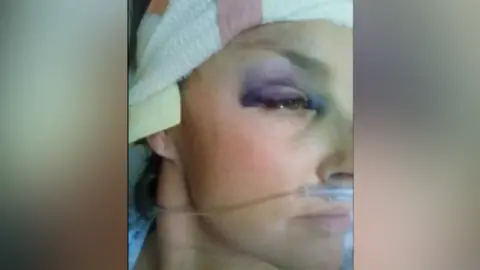 Rachel Williams
The Institute for Addressing Strangulation (IFAS) was created in October 2022 with funding from the Home Office.
Their new impact report, released this week, highlights the UK's understanding and response to strangulation four years since the law was introduced.
It includes data from police forces which they say shows a 13% increase in reports from the year before, and that there have been 24,446 offences prosecuted by the CPS since the offence was introduced.
Dr Helen Bichard, a principal clinical psychologist with North Wales Brain Injury Service, was involved in the original funding bid which led to the creation of the IFAS.
She said: "I had carried out research in 2020 which I think for the first time really highlighted the impact of strangulation on the brain, which was used by the government in creating the new legislation."
She said changing the law was amazing but additional action was needed.
"It was almost as if the legalisation had proceeded all the systems that needed to be in place to make sure it's effective, so that's why IFAS was created."
One of those actions is guidelines created for medical professionals as there were none for strangulation in the UK.
"They are a first of its kind, they will save lives – there is no greater impact than that," said Bichard, adding that it is vital health professionals are aware of the situations and effects caused by strangulation.
"It can be catastrophic, it can cause death that's why strangulation is used in violence because it is really effective."
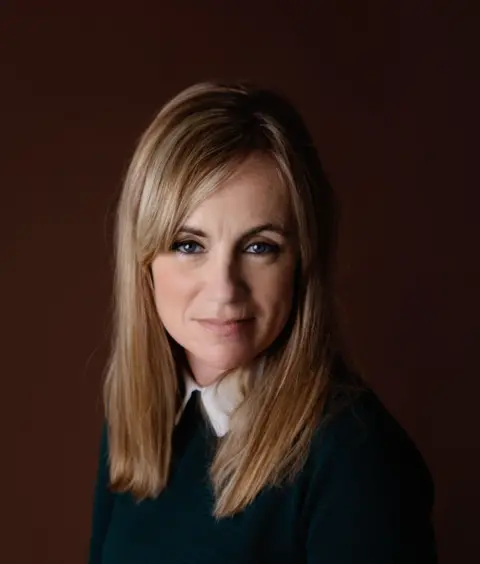 Dr Helen Bichard
No safe way to strangle
Non-fatal strangulation can lead to life-threatening complications, even when there are no visible external injuries.
According to the NHS, when the brain is starved of oxygen it can lead to strokes, brain injuries, loss of consciousness or long-term cognitive impacts.
These injuries can occur even when there are no visible signs of harm.
Evidence indicates that women under 40 who have experienced strangulation are at significantly increased risk of stroke.
Chief executive of the IFAS, Bernie Ryan OBE, said: "Four years ago, many victims of non-fatal strangulation were not recognised, believed or referred for appropriate care."
More than 22,000 frontline professionals have been trained through IFAS' specialist national training programme delivered in partnership with SafeLives.
"This report demonstrates what can be achieved when government, clinicians, researchers, specialist organisations and survivors work together towards a shared goal, while reminding us there is still much more to do."
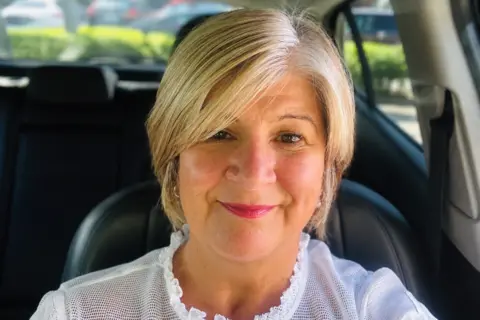 Bernie Ryan
Last year, the government announced that online pornography showing strangulation or suffocation is to be made illegal as part of plans to tackle violence against women and girls.
It followed a review which found depictions of choking were "rife" on mainstream porn sites and had helped normalise the act among young people.
BBC Wales reported in 2024 that boys as young as 14 have been asking their teachers how to choke girls during sex.
Natalie Fleet MP, Minister for Safeguarding and Violence Against Women and Girls, said: "Strangulation is a dangerous form of abuse that can leave victims with devastating and long-lasting physical and psychological harm."
Fleet praised the report highlighting the difference made to improving responses across different sectors.
"Our mission to halve violence against women and girls in a decade requires strong partnerships across government, healthcare, policing, the voluntary sector and academia."
- If you've been a victim of crime, details of organisations offering information and support are available via Action Line.
