'Sex offenders should lose right to change name'

 PA Media
A woman who got into a relationship with a man she later found was a registered sex offender wants a change in the law to stop people like him from being allowed to legally change their name.
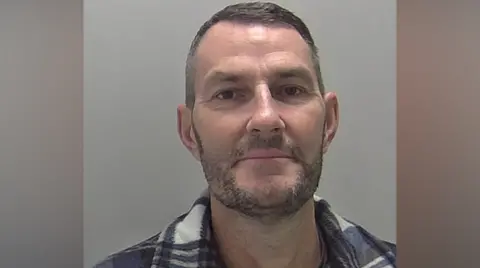
Julie Purvin from Warwickshire said the man she knew as Jason Brown had been "very charming" and she was horrified when she discovered his convictions.
Emily Konstantas, the Chief Executive of The Safeguarding Alliance has campaigned to have the law tightened and said: "When a person commits such an awful crime against some of society's most innocent people, what gives them the right to be able to erase their past?"
The government said it would look at whether the law needs to be strengthened.
Purvin said she had only been with Brown for three months, but it had been a "very intense relationship from day one".
The 54-year-old said she had met him in a bar in Stratford-upon-Avon and even her most suspicious friends thought he was "charming".
"I felt like wow, this could be my future person," she said.
The truth only came to light when he announced he had to attend a court in Lincolnshire over what he claimed was a false assault charge.
A friend did some research and found he had convictions for sexual offences under a previous name, Jason Coe, and had spent time in jail for his crimes.
He had also been made the subject of a Sexual Harm Prevention Order (SHPO) in July 2019, barring him from contact or communication with girls under 16.
Purvin said: "It took my breath away when I realised he wasn't who he was."
She ended the relationship and contacted the police, but said she was worried other women could fall into the same trap.
 Cambridgeshire Police
There are about 67,000 registered sex offenders in the UK and between 2019 and 2021 1,457 of them changed their name legally.
At the time they had to tell police within three days of doing so, but this year the law was changed to compel them to tell the police at least seven days before they changed their name.
Purvin thinks this is not enough however and has argued sex offenders should live with the consequences of their actions and be unable to change their identity.
Konstantas told BBC Breakfast: "We've got to stop putting the rights of the offender in front of the rights of innocent children and innocent women."
She also believes sex offenders should lose the right to legally change their name and has been campaigning for eight years to change that.
"We need an immediate response now from the government," she said.
Government looks to strengthen law
The government said it would be "looking at" the issue of offenders changing their names.
A Number 10 spokeswoman said: "Registered sex offenders are required to notify the police of any change of name.
"Failing to do so is a crime, and anyone who commits this crime should be expected to face the full force of the law."
"If we need to strengthen the rule around this, we will, and it is something we are looking at."
Purvin said she had become "passionate" about making sure other women did not get caught out as she had.
"I think it needs to be taken seriously now because it's gone on for way too long," she said.
Follow BBC Coventry & Warwickshire on BBC Sounds, Facebook, X and Instagram.
