Maternity patients 'made to feel like burden'

 Google
An NHS trust's maternity wards made patients "feel like a burden on the service" and "frightened and uncertain", an investigation has found.
The findings at The University Hospitals of Morecambe Bay NHS Foundation Trust (UHMBT) are part of the wider National Maternity and Neonatal Investigation.
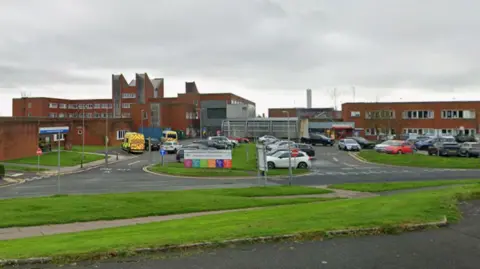
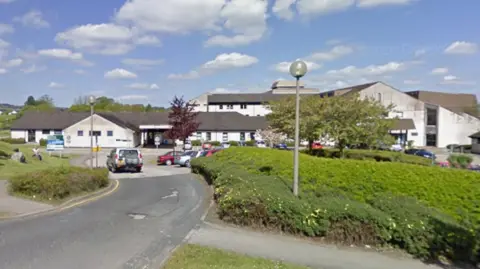
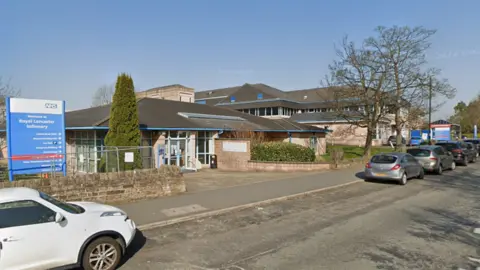
The trust runs two sites in Cumbria, Furness General Hospital and Westmorland General Hospital, as well as the Royal Lancaster Infirmary.
Chief executive of the trust Steve Williamson said: "While we have made significant changes and improvements in recent years, that does not lessen the impact on those involved - we will never forget that."
The independent investigation was commissioned last June, with 323 families affected by bereavement or harm attending evidence panels and site visits conducted at 12 NHS trusts.
In its final report published today, investigation chair Baroness Valerie Amos said: "There is absolutely no justification for the tragic cases of unsafe care and avoidable harm we continue to see in England.
"Nor is it acceptable that so many women and families experience a poor response and lack of accountability when something has gone wrong."
Eleven babies and one mother died at Furness General Hospital in Barrow between 2004 and 2013.
This prompted a highly critical government-backed report in 2015, which said a "lethal mix" of failures led to a number of deaths.
 Google
UHMBT patients who attended evidence panels raised some of the same issues, which included "not consistently being listened to, believed, or taken seriously, particularly when raising concerns about symptoms, pain, mental health, or past trauma", the report said.
Investigators said families of babies diagnosed with disabilities during pregnancy were treated as if the babies were "problems to be managed or discouraged" rather than being offered support.
"They were judged and pressured into making certain decisions rather than being listened to," the report said, and some "were made to feel like a burden on the service" or felt "rushed and as if they were just a number in the system".
Their experiences left them "feeling frightened and uncertain".
'Staff morale low'
Some families went through formal investigations which they said were "often long and distressing".
They said the trust was "defensive" and focused on protecting itself rather than learning from what had happened.
All three of the trust's sites were visited across a period of two days.
"We found staff morale to be generally low with a feeling that Morecambe Bay was once more under scrutiny," the report said.
Maternity and neonatal services had "improved very significantly" following the major investigation in 2015, but "this improvement was not sustained".
"Midwives told us about public attention causing them to remove their work badges in public and being made to feel ashamed of their jobs despite being inherently proud of the work they do," the report said.
 Google
Williamson said: "It's important that we acknowledge the ongoing pain that some families are going through because of actions taken by this trust in the past.
"However, we are in a very different place now and our teams have given their all to make positive changes to the services we offer local families."
He said that included changes to leadership and an improved work culture.
"We are listening more closely to families, investing in bereavement support and triage facilities, improving staffing levels, and taking targeted action to ensure more equitable care for all women and their babies," he said.
He added the Care Quality Commission rated the trust's maternity services as "good" this year for the first time since 2019.
"We know we have more to do and are absolutely committed to continuing to work with our teams, families, key partners and local communities to move forward."
