'Baby loss leave is welcome, but more can be done'

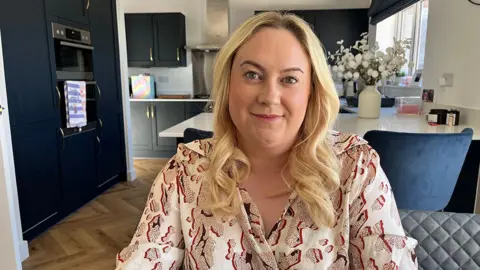 BBC/Natalie Bell
The founder of a charity says the introduction of leave for more people who experience baby loss is "hugely positive", but believes there is "a long way to go" before all losses are treated equally.
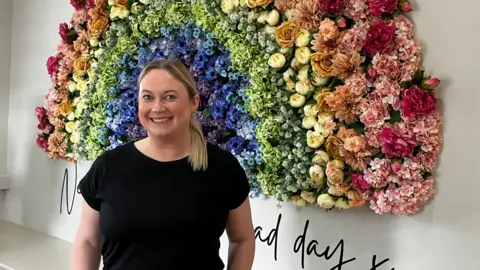
Samantha Catanach, from Hull, launched Chasing Rainbows after her own experience of baby loss, to support others dealing with miscarriage, stillbirth and infertility.
The government announced on Tuesday that from next April expectant parents who lose a pregnancy before 24 weeks will be entitled to up to two weeks' unpaid leave.
Samantha said: "Any change is positive, because it means we're moving forward and loss is becoming less of a taboo subject."
She added: "It's positive that both women and men, or anyone going through the loss of the baby, are now going to be entitled to the two weeks' leave.
"However, it is unpaid and... some people are on very, very long journeys and go through recurrent loss."
Currently, those who experience a loss after 24 weeks have similar rights as they would have had if their pregnancy had resulted in a living child, including maternity leave and pay.
Announcing the new employment rights, Prime Minister Andy Burnham said he did not think it was right that there was no legal right to bereavement leave for pregnancy loss before 24 weeks.
Samantha, who suffered five losses, described it as "the most isolating, lonely time of my life"
As someone who was self-employed, she said she felt a lot of pressure to go straight back to work.
"I was a dance teacher at the time in my own dance school and I often went to the hospital and found out my baby had no heartbeat, and then I had to go and teach a class that night because there was no space for me to grieve or to stop, because there would be no income.
"And I think often women, especially, do go back to work very quickly out of fear of it affecting their career, and so often people go back too soon."
 Samantha Catanach
She said people who experienced miscarriages, second-trimester losses or termination for medical reasons before 24 weeks could go through traumatic situations, despite them being deemed to be "early losses".
Samantha, who has two living children, added: "I do think it is often forgotten about when it is early in pregnancy, and people often feel like that means their loss didn't matter because it was earlier, when it absolutely [does matter].
"I think it's wonderful that this [change in policy] is happening... but there's still a long way to go in recognising how much pregnancy loss, baby loss [and] infertility affects mental health as well as physical health."
She said she hoped in future employers would understand that "grief doesn't last two weeks and some people need longer than others", and that paid bereavement leave would be available to all who needed it.
Listen to highlights fromHull and East Yorkshire on BBC Sounds, and watch the latest episode of Look North.
Download the BBC News app from the App Storefor iPhone and iPad orGoogle Play for Android devices
