Target reached for memorial to WW2 journalists

 BBC
BBCA fundraising target for a memorial to Channel Islands journalists who resisted Nazi occupation during World War Two has been reached, organisers have said.
Historian Timothy Crook, who led the appeal, said the target of £1,000 was reached thanks to the "immense and wonderful generosity" of a gentleman who donated £775, plus £225 donated by members of the Chartered Institute of Journalists (CIoJ).
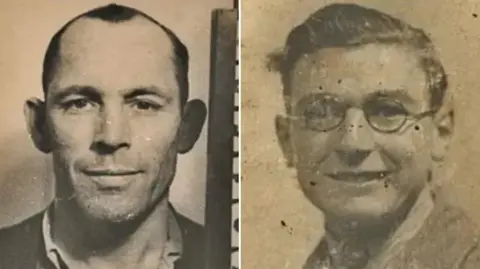
Journalists to be commemorated include Joseph Gillingham and Joseph Tierney who were arrested, deported and died in prison for sharing news heard on banned radios; and Frank Falla, who survived imprisonment and whose book The Silent War told how islanders challenged and outmanoeuvred censorship.
Crook, from the CIoJ, said it was hoped a plaque would be placed in St Bride's Church in Fleet Street, London, known as the "journalists' church".
'Gave so much'
Crook told BBC Jersey, if people worked in Fleet Street or around British journalism, they knew the church was something which commemorated "the courage and bravery" of those who sacrificed their lives "in the cause of their work".
"Current president Gerald Bowey is closely involved in it, and he's been very much involved in persuading the church to finally give national recognition to the enormously courageous journalists in the Channel Islands, and those ordinary people who became journalists who resisted occupation," Crook said.
He added: "When I worked in Fleet Street, I would often go to the church to say silent prayers, light candles, and remember people I've known in my career that go back 51 years in journalism that didn't come back."
Crook also thanked "brilliant historian" Prof Gilly Carr, whose "outstanding research" enabled them to recognise and appreciate the generation of journalists who achieved and "gave so much in those dark years" between 1940 and 1945.
'Whispered the news'
Joe Gillingham, from Guernsey, and Joe Tierney, from Jersey, secretly spread news which often contradicted that put out through island newspapers, which were only allowed to carry war news provided and approved by German authorities.
Prof Carr said the journalists' stories were "well known" on the Channel Islands, but not so much in the UK.
She said it was great CIoJ was campaigning to have the memorial for the Channel Islanders in the church in London.
She said: "I think this memorial will be for quite a wider range of people, and I think anyone who knows grandparents might have kept a radio or who whispered the news to neighbours can feel themselves included in this because they were still spreading the news."
Follow BBC Guernsey on X and Facebook. Follow BBC Jersey on X and Facebook. Send your story ideas to channel.islands@bbc.co.uk.
