How to go crabbing responsibly

 BBC
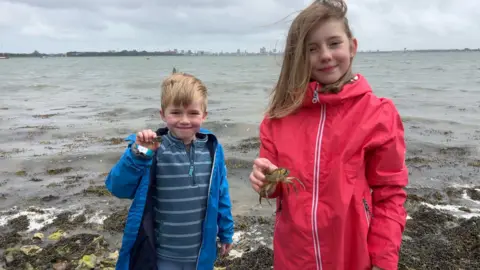
BBCA wildlife trust has said people should be educated on how to crab responsibly, rather than stopping the activity, as it helps teach children about the environment.
Hampshire and Isle of Wight Wildlife Trust (HAIWWT) said "crabbing is a really big part of our culture" and that there should be a space where people can be educated about how to do it safely.
The RSPCA has said scientific evidence showed decapod crustaceans - including crabs, lobsters and prawns - were sentient and capable of feeling pain, distress and even positive emotions.
HAIWWT attended a crabbing event in Portchester in Hampshire to teach people how to crab responsibly, so the crustaceans aren't harmed.
The Sea Angling Crabbing Competition is hosted annually in June at Portchester Sailing Club.
It is a free, family-friendly event that teaches the catch-and-release of the crabs.
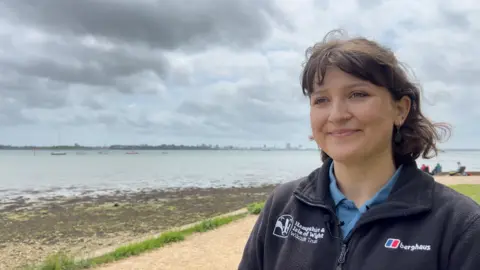
Kira Fuller, a marine engagement officer at HAIWWT, attended to help ensure people were looking after the crabs: "Not all children get the opportunity to go out on the shore and rock pool or look for these animals.
"As this is a free event, it's a great way for families to come together and get hands-on contact with these animals and start to kind of appreciate their role in the food chain and as part of the ecosystem.
She added that crabbing "is a really big part of our culture here in Britain".
Fuller said she believes it's important to have more events like the Portchester Crabbing competition: "Creating these spaces where people have the opportunity to take their families out, connect with these animals, start to learn how to look after them responsibly, pick them up, care for them, be gentle with them.
"Respect them as animals and as part of the food chain, that's a great way for them to build like a grassroots connection with the wildlife."
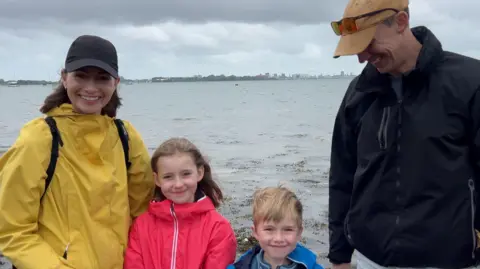
One family, from Portsmouth, attended the crabbing event and said "it's a great way to get involved as a family and to see the local Portsmouth wildlife".
They added: "I think it's been actually more harmful for our fingers so far today, hasn't it? We have been pinched. Crabs are absolutely fine. They been fed well on bacon.
"They come in quite quickly. If they're unhappy, they seem to drop off quite quickly as well.
"I think an organised competition like this is a good way of educating children about our wildlife, and so long as they're educated they can learn a bit more about nature, and I think they'll appreciate everything a little bit more."
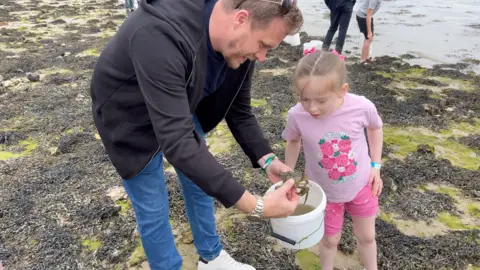
Lewis Bowers, who came to the event with his daughter, said: "It's something my daughter loves doing, picking up the crabs.
"You can do it safely. Don't need to be out taking them home. You can throw them back in once they're done ready for us to and everyone else to enjoy."
He added: "Being able to come and do this for her and I used to do it as a kid with my grandad and parents, so it's good that it carries on."
How to crab responsibly?
- Use a simple, hook-free crabbing line with a net or a secure bait bag.
- Pick up the crab from the sides of its shell using your thumb and forefinger, with its claws facing forward and away from you.
- Use fresh seawater and fill the bucket, so crabs can sit comfortably flat.
- Crabs breathe through gills and can easily overheat. Keep your bucket in the shade and refresh the water regularly.
- Provide shelter and oxygen by adding a little seaweed and a few pebbles to the bucket.
- Limit the amount of crabs in one bucket and remove them if they start fighting.
You can follow BBC Hampshire & Isle of Wight on Facebook, X, or Instagram.
