Swift nests along viaduct reopened after backlash

 JP Cornuet
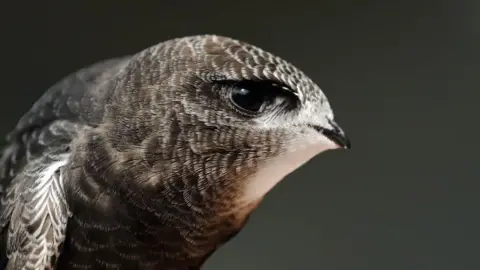
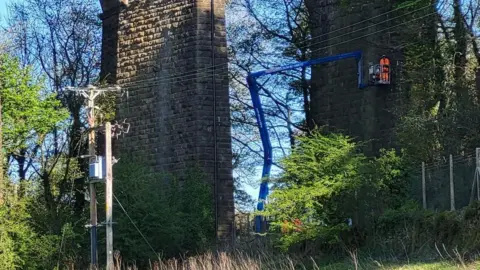
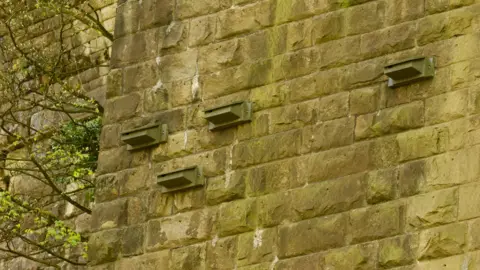
Network Rail has unblocked a number of nesting sites for swifts along a railway viaduct in Derbyshire after pressure from campaigners.
Protect the Wild had accused the body that owns, operates, maintains and develops Britain's railways of having "deliberately sealed" the nesting sites during the £7.5m refurbishment of the 160-year-old twin viaducts at Chapel Milton, near Chapel-en-le-Frith.
Work to reopen the holes was completed over the weekend after High Peak Borough Council confirmed it did not need special permission to carry it out.
Network Rail told the BBC it would be "learning" from the experience.
As well as unblocking the nesting sites, bird boxes have also been installed as an additional measure, Network Rail said.
A petition calling on the sites to be reopened had been signed by more than 14,000 people.
 Emma Barrett
Network Rail said it "recognised and respect" the concerns raised.
"We know how strongly people, locally and nationally, feel about the swifts at Chapel Milton viaduct as we approach nesting season," a spokesperson said.
"High Peak Borough Council confirmed to us that we would not need listed building consent to reopen holes in the viaduct on Friday afternoon. Soon after, our contractors were able to carefully drill and reopened the holes.
"We recognise how emotive this issue has been and there is learning for us here, which we will take forward as part of our longer‑term approach."
Rob Pownall, from Protect the Wild, said campaigners "turned concern into real pressure".
"Swifts are one of the UK's most rapidly declining species. They return to the same nesting sites year after year, and when those sites are blocked they cannot breed. Getting these holes reopened before the season was always the priority," he said.
"There is still work to be done to ensure swifts are properly protected during future infrastructure works."
 Jason Adshead
Campaigners welcomed the fact Network Rail had carried out the works, but said High Peak Borough Council should have been firmer with the body about the need for wildlife to be protected during refurbishment of the viaduct.
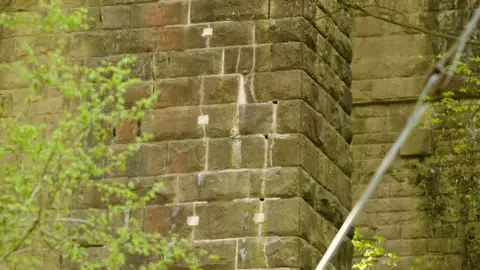
Deborah Pitman, a volunteer activist at Derbyshire Swift Conservation, said she had alerted Network Rail to the nests before the sites were "mortared up" earlier this year.
"By just asking for listed building consent, it meant no ecological reports were mandated of Network Rail, which meant that birds, bats, the brook, none of those things got a look-in in regards to this £7.5m project. I seriously question that," she said.
 Jason Adshead
The rail body had previously said it had carried out an ecological inspection and found there was "no evidence of swifts" at the time.
The borough council said listed building consent was required for the refurbishment to be carried out, which only considers the impact of the works on the historic and architectural interest of the building.
"No other consent was required from the council," a spokesperson said.
"Network Rail are bound in all their activities by the requirements of the Wildlife and Countryside Act which protects nesting birds. However, this is not legislation which is enforced by the council. Any breach of the act is a matter for the police."
Listen to BBC Radio Derby on Sounds and follow BBC Derby on Facebook, on X, or on Instagram. Send your story ideas to eastmidsnews@bbc.co.uk or via WhatsApp on 0808 100 2210.
