Dormice footprint hunters begin second search

 BBC
BBCVolunteers have started a second attempt in two years to find dormice on former farmland.
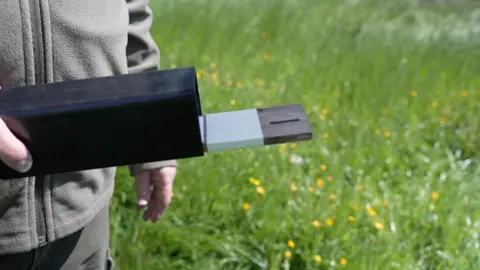
The group is using small black tunnels with a blank strip of paper and a pad inside to try to record the shy creatures' footprints as they pass through.
Dr Paul Howe, Ecology Manager from Eastleigh Borough Council (EBC), said efforts like these were important to help decide how to manage the land and benefit the wildlife at the site.
Stoke Common Park in Eastleigh was previously used to graze cattle but was bought by EBC in 2022 and turned into a park.
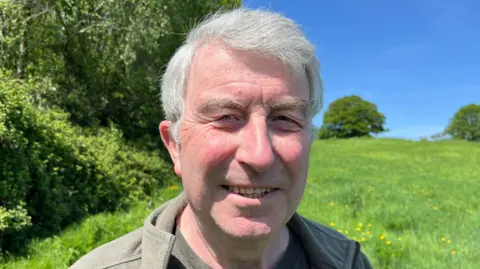
Steve Grundy is lead species monitoring volunteer for the group as well as a wildlife photographer.
His group did not find any dormice during the first survey, carried out last year.
But he said he was cautiously optimistic for this season. "We know they've been reported on site. We know we're putting the tunnels in the right areas."
The hope is that dormice, while moving across the branches, will walk across the pad of olive oil and charcoal and through the tunnel, leaving footprints on the paper.
Grundy said they look for areas where the shy nocturnal animals are likely to scamper through.
"We're looking for hedgerows with different heights and different scrub in there - blackberries, for example," he explained.
The team come back every two weeks to change out the paper strip and check for prints.
"It's illegal to touch a dormouse or interfere with its nest without a licence," Grundy said.
"But this is great because we don't need a licence to do this."
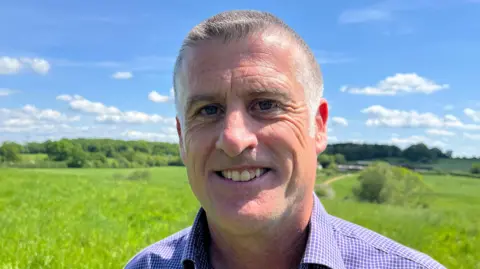
Howe said that the information gained from species monitoring helps them decide how to manage the land going forward: "That information not only tells us what's here now, but can help us toward management plans for the future, what habitats we might put in, what species we might recover."
That can include things like connecting the blocks of ancient woodlands across the park to create nature corridors for wildlife to move through.
"We're very lucky, we have such an enthusiastic and really knowledgeable group of volunteers that are doing all the species recording," he added.
