Potentially deadly bluetongue livestock virus found in Scotland for first time

 Getty Images
The potentially deadly bluetongue virus has been recorded in livestock in Scotland for the first time.
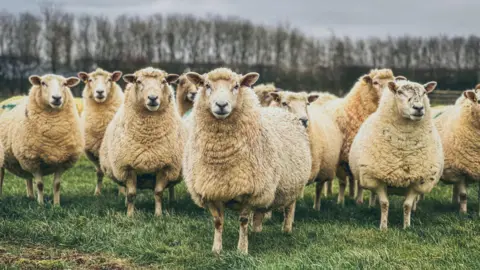
A single case of the virus was detected in a single sheep on a farm in Dumfries and Galloway last week.
The Scottish government said the animal had been euthanised on welfare grounds and restrictions had been put on the farm.
It is one of 289 cases of bluetongue serotype 3 (BTV3) in the UK in the 2026/27 season - most of them in the south-west of England.
The Scottish Farmer has reported that the farm found to have BTV3 is near Creetown in Dumfries and Galloway.
Sheila Voas, Scotland's chief veterinary officer, told BBC Radio Scotland's Lunchtime Live it was an isolated animal that had been ill for a short time.
The virus is spread by insects and is generally found in cattle, sheep and goats.
Voas said it was likely that the animal picked up bluetongue from infected midges that had blown on to the farm.
"We know there's disease in Northern Ireland, the Republic of Ireland, Isle of Man and the north of England so my working assumption is a plume of infected midges blew over and infected this animal and possibly others," she added.
Voas said other animals on the farm were being tested and they were expecting the results later on Tuesday.
 Getty Images
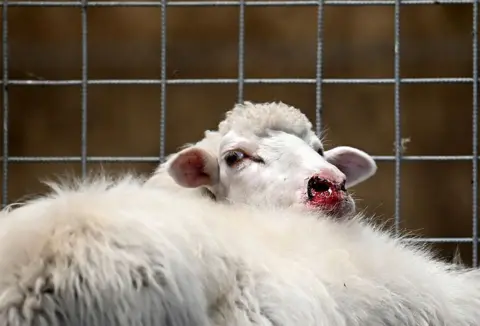
The animal was tested for the disease after displaying symptoms.
Signs of BTV3 include nasal discharge, redness and swelling of the lips, nose and muzzle, lameness or reluctance to stand, a decrease in milk production and diarrhoea in cattle.
It does not affect people or food safety but it causes a high rate of death in infected sheep and fertility problems in infected cattle.
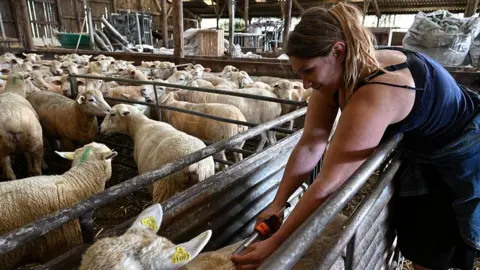
The chief vet urged farmers to vaccinate their livestock against the disease.
She said: "At this stage it is not possible to know if bluetongue is circulating in Scotland, or whether this is an individual case.
"The farm is under restriction while investigations, including testing other susceptible animals, are ongoing.
"Vaccination remains the best way of preventing disease in animals and I encourage all farmers to discuss this with their vets."
BTV3 is a notifiable disease that must be reported to the Animal and Plant Agency in Scotland.
 Getty Images
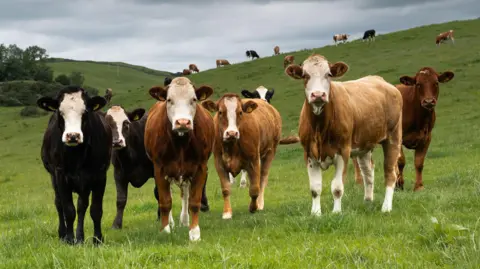
NFU Scotland said it strongly encouraged farmers to vaccinate susceptible animals - especially those in the south of Scotland.
A spokesperson added: "It is important that the Scottish government takes swift and effective steps to ascertain the scale and likely source of infection and, if necessary, puts appropriate controls in place to prevent spread outwith the local area through animal movements.
"This could include establishing appropriate disease control zones, movement controls and robust surveillance and testing."
 Getty Images
A recent spike in cases in the south-west of England has been blamed on the hot and humid weather.
The Animal and Plant Agency has said the conditions were favourable for midge populations which can carry the virus between animals.
