Owl pellets reveal thriving mammal population

 RSPB / Ben Andrew
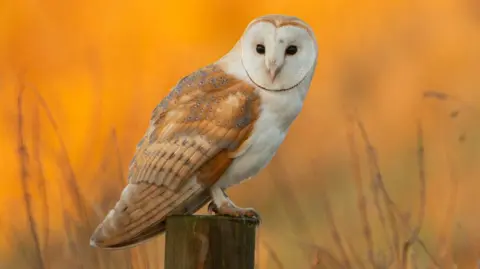
The eating habits of barn owls have revealed a wide and varied small mammal population hiding and thriving in a nature reserve.
Researchers from the Mammal Society have been analysing owl pellets found at the Royal Society for the Protection of Birds' (RSPB) Saltholme reserve near Middlesbrough.
The pellets, which the birds cough up, contain undigested food such as bones and fur which makes it easier to see which animals are making a home in the area north of the River Tees.
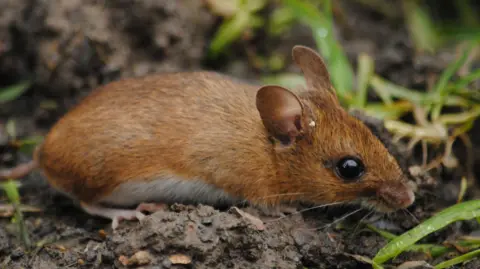
Mammal Society volunteer Ian Bond said: "This is almost certainly the only place in the region where barn owls can choose from such a wide menu."
 Samuel Hood
Owls swallow much of their prey whole, but the coughed up remains allow researchers to identify animals in the area without having to physically track them down or disturb them.
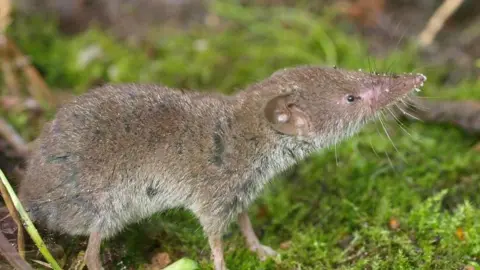
RSPB staff, who since last October have been collecting pellets from roosting sites every three months, said water shrews had been "particularly abundant" and accounted for just over a tenth of the remains in the pellets.
 Saxifraga-Rudmer Zwerve
The project is part of a larger programme that has been monitoring shrews for the past three years,
It includes research into the spread of the non-native greater white-toothed shrew, from Europe and North Africa, which was first recorded on mainland Britain in the Sunderland area in 2022.
Researchers fear it could displace native species, however this particularly type has not yet been found at Saltholme.
