William will no longer benefit from prison rent

 PA Media
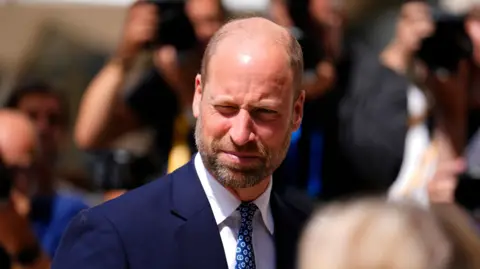
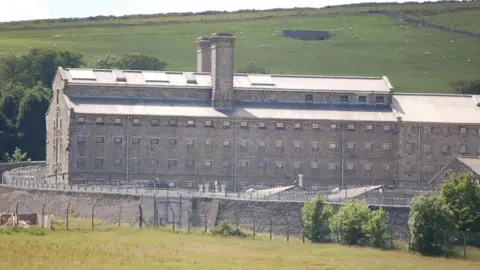
The Prince of Wales has opted to no longer personally benefit from the £1.5m in rent generated by Dartmoor Prison each year.
Prince William has asked for the sum to be removed from income he receives from the Duchy of Cornwall from 2026-27 onwards, insisting the money is spent on regenerating the local community instead.
The category C prison in Devon has been empty since July 2024 after high levels of radon were recorded in prisoners' accommodation.
William's private secretary said the closure had created "genuine uncertainty" for those living in the area and the duke felt strongly that the benefit of the income should remain in the community.
A Dispatches and Sunday Times investigation in 2024 found the duchy had signed a £37m deal in 2022 to lease Dartmoor Prison to the Ministry of Justice.
The deal, which was made before Charles became King and William the Prince of Wales, agreed to pay £1.5m a year over 25 years, along with a deal with the Ministry of Defence to allow the armed forces to train on Dartmoor land.
As heir to the throne, William is entitled to the annual profits from the billion-pound Duchy landed estate, which covers 51,800 hectares across 19 counties.
A community-led regeneration fund will be launched next year to offer social, economic and environmental benefits to Princetown, the isolated rural community next to the prison.
Prince William's private secretary Ian Patrick said: "Prince William knows that for many people in Princetown, the prison has long been part of the fabric of the community.
"Its closure has created genuine uncertainty, not just about jobs and businesses, but about the future of the town itself.
"The duke felt strongly that, while those questions remain unanswered, the benefit of this income should remain in the community, helping local people shape that future."
William pays income tax voluntarily at the highest rate on any net surplus, but once official expenditure has been deducted.
He received a private income of £21.6m in 2025-26, the latest Duchy accounts showed, with the duke also revealing his tax bill of £7.76m for the first time.
Follow BBC Devon on X, Facebook and Instagram. Send your story ideas to spotlight@bbc.co.uk.
