'Church of England's forced adoption apology is poor'

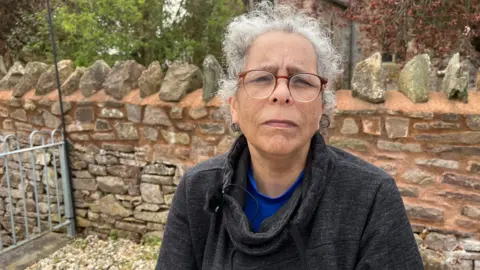 BBC
BBCA survivor of forced adoptions has said the apology issued by the Church of England is "poor".
Vik Fielder, who lives on the Quantocks in Somerset, was adopted when she was seven days old after her unmarried 18-year-old mother was forced to give her up. The pair never got the chance to meet as her mother died 20 years later.
The Church of England helped to run, or was responsible for, about 100 mother and baby homes where unmarried women were sent to hide from society and give birth during the1950s, 60s and 70s.
A spokesperson for the Church of England said it recognised how "painful" the issue was and it would remain "committed to listening, learning and providing support" to those impacted.
The Archbishop of Canterbury Dame Sarah Mullaly apologised on behalf of the Church of England on Thursday for the "pain and trauma and suffering and fear" caused by the practice.
Women who were sent to the homes have spoken about the terrible conditions they were subjected to.
Fielder previously told the BBC her mum "had no other choice" than to give her up and "as a result of that she was dead by the time she was 38".
Speaking about the apology, Field said it was "poor" and the full extent of the harm caused to the mothers and their children was not acknowledged.
"They're trying to slide out of culpability, is what their apology feels like.
"It's weak and badly worded."
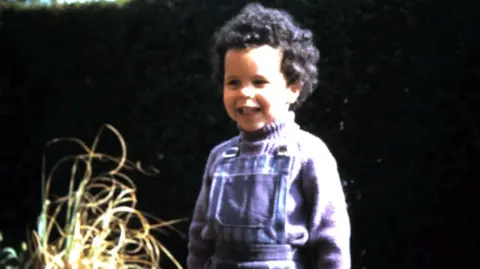 Vik Fielder
Fielder praised the Bishop of Bath and Wells for being "welcoming" and "listening" to the mothers and children affected.
"He issued a very, very heartfelt statement which helped us deal with the poor statement issued by the church.
"It gives us hope there are people within the Church of England who do care, do get it right, do listen and do take us seriously" she said.
"There's a lot that happened to us and mothers that needs apologising for.
"The shame needs to be shifted from our shoulders onto theirs."
In a statement, a spokesperson for the Church of England said: "We recognise that this is a deeply complex and painful issue and are grateful to all those who have shared their experiences and helped shape this apology.
"We understand that for some people the apology may not go far enough.
"This is not the end of the process, and we remain committed to listening, learning and providing support."
The government confirmed on Wednesday it would issue a full apology on behalf of the state over the practice, which affected an estimated 250,000 women.
Follow BBC Somerset on Facebook and X. Send your story ideas to us on email or via WhatsApp on 0800 313 4630.
