Attractions still open despite bluetongue outbreak

 BBC
BBCIts "business as usual" for zoos and animal attractions across the South West, despite the ongoing bluetongue outbreak.
Attractions including Paignton and Newquay Zoos, Totnes Rare Breeds Farm and The Big Sheep, near Ilfracombe said they have all taken precautions and vaccinated their animals most at risk from the insect-borne viral disease.
Defra confirmed zoos and attractions could stay open because there was no risk to visitors.
So far this year there have been 556 recorded cases of the bluetongue virus (BTV) in the UK including 327 in Devon and 110 in Cornwall, according to latest government figures.
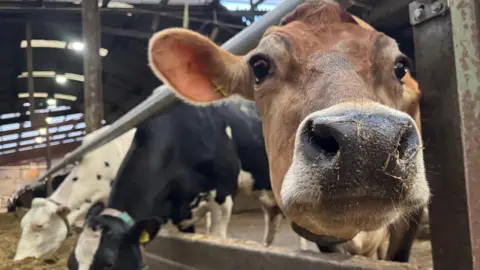
BTV affects cattle, goats, sheep, deer and camelids with signs including fever, lameness, facial swelling, nasal discharge and mouth ulcers.
While it can be potentially fatal for livestock, the virus does not affect humans or food safety.
Lisa Britton, head of living collections at Paignton Zoo, said the virus was "not something that would or should affect our footfall" and sheep and yaks on the site had been vaccinated.
She said sheep were regularly tested for TB and were used to being jabbed whereas some of the other animals would need to be trained to willingly take the vaccine and that could be one or two doses annually for bluetongue.
'Monitor the situation'
Britton said there was a programme of vaccination being looked into at the zoo for potential risk species.
Potentially infected animals would not have to isolate because the virus could not be spread through direct contact like saliva or nose to nose, she added.
Britton said the virus had not been reported in exotic animals but the zoo was liaising with its teams and colleagues across Europe and adhering to Animal and Plant Health Agency guidelines.
A spokesperson for Defra said it "recognised how concerning bluetongue is for animal keepers" and it was working to put in processes to bring in additional vaccine supplies, whilst urging keepers and vets to place orders to ensure access.
"There is a wide range of support available to help keepers protect their livestock and we will continue to monitor the situation closely."
