Mink traps set to protect endangered water voles

 British Waterways
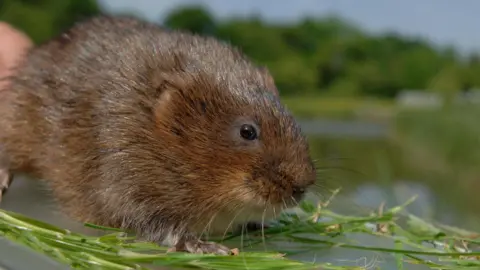
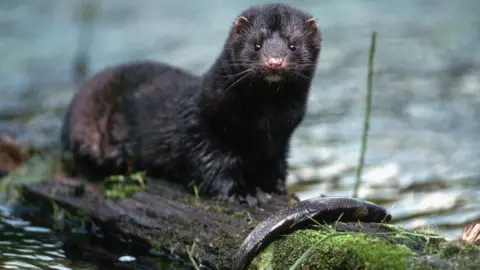
Traps for invasive American mink have been set in efforts to save endangered water voles, after tests revealed their presence.
Eden Rivers Trust volunteers took samples containing blood, poo, fur and skin cells to a laboratory to be analysed, with the aim of identifying water voles, white-clawed crayfish and American mink in water courses in the North Pennines fellsides.
Critically endangered white-clawed crayfish were detected in two becks, but none were recorded in three previously positive areas.
While water voles were traced in five watercourses, there were none found in nine areas previously recorded, however, five of those areas tested positive for invasive American mink.
The trust said mink were a non-native, invasive predator which "posed a serious threat to water voles and other native wildlife".
Environmental groups said there had been a 97% decline in the number of water voles since 1950 because of mink.
Water voles were a common sight at the start of the 20th Century but their numbers have plummeted in more recent decades and they are now listed as endangered on both the Great Britain and the England Red List for Mammals.
The trust said the method of sampling, known as eDNA, did not disturb the habitat as much as traditional survey methods and was more cost-effective and quicker when sampling large areas.
 Getty Images
Eden Rivers Trust's conservation manager, Stephen Henderson, said the team's 99 samples from 19 watercourses showed "both encouraging and concerning" findings of "two of the UK's most threatened freshwater species".
"New populations of water voles have been discovered, offering real hope," he continued.
"However, the absence of white-clawed crayfish in some waterways where they were once found alerts us to the need for further surveying," Henderson said.
"Crucially, the evidence also reveals where invasive American mink - one of the main drivers of water vole decline - are present, allowing us to act quickly to eradicate them," he added.
