Two hundred years of Cowes Week

 Getty Images
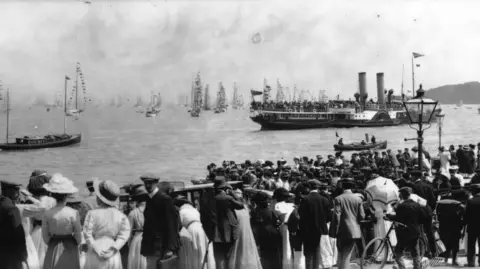
From an initial race involving seven boats off the Isle of Wight coast in 1826, Cowes Week has grown into the world's best-known regatta.
Over the following 200 years, it became famous for attracting royalty and the rich and famous to watch the world's finest sailors test their skills against the challenging conditions of the Solent.
With the exception of two world wars and the Covid pandemic, Cowes Week has been held every year, attracting all levels within the sport - with Olympic champions racing alongside weekend sailors.
Now a highlight of the British sporting summer, this year's event will host 5,000 sailors and up to 60,000 spectators.
Early years
The first race, organised by the Royal Yacht Club, was held in 1826 - seven yachts competed for a Gold Cup of the value of £100.
It was won by Arrow, an 83-tonne clipper owned by Joseph Weld.
The following year King George IV presented a cup - the King's Cup - which was awarded at every subsequent event until 1939.
The three-day event became known as Cowes Regatta.
As the annual regatta extended in duration during the rest of the 19th Century, the name Cowes Week was coined.
Golden age
 Getty Images
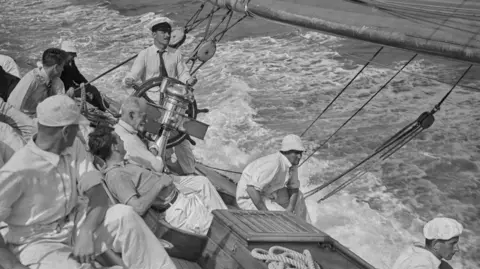
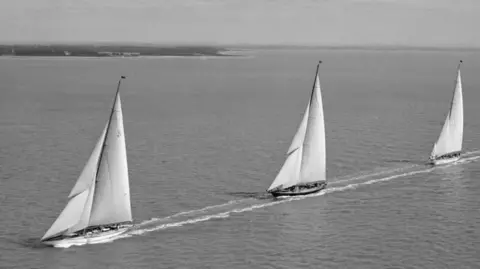
The so-called golden age of yacht racing in the early decades of the 20th Century, saw the Cowes Regatta continue with the graceful 23m, 19m, and 15m boats racing, followed by the famous J Class boats in the 1930s.
In 1957 the first Admiral's Cup, organised by the Royal Ocean Racing Club, was held, bringing an international aspect to the regatta.
Prime Minister Edward Heath steered the British Admiral's Cup team to victory at the helm of his 42ft (12.8m) yacht, Morning Cloud, in 1971.
Cowes Combined Clubs was formed in 1964 to run and organise the regatta.
Previously each club would run its own races, with separate rules, racing marks and start and finish lines.
The Royal Yacht Squadron line became the universal start line and one set of sailing instructions and racing marks was introduced.
 Charles E. Brown/Royal Air Force Museum/Getty Images
High society
 Topical Press Agency/Getty Images
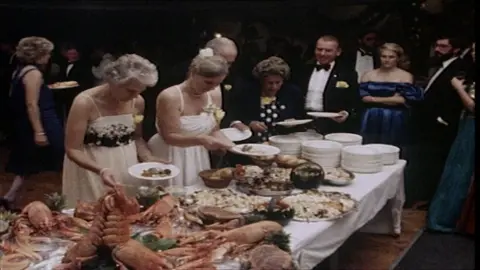
The first event in 1826 finished with a regatta ball in Cowes, as well as "a great display of fireworks", according to the Royal Yacht Squadron's records.
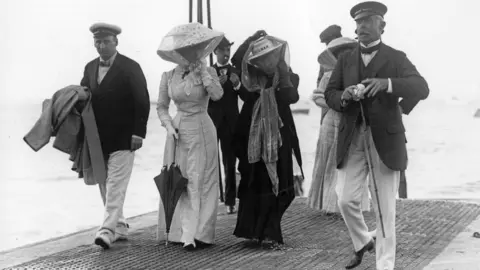
It began the tradition of Cowes as a high-society event. Between Glorious Goodwood and the start of the grouse shooting season, Cowes Week became a regular entry in social diaries.
Yacht club balls, dinners and cocktail parties were attended by royalty, celebrities, and the rich and famous of the day.
For many years the highlight of the week's evening activities was the famous fireworks display.
Held on the final Friday up until 2019, the spectacle attracted a massive audience to watch the display from on the water and both sides of the Solent. It is set to return for the 2026 event.
Royals at sea
 Getty Images
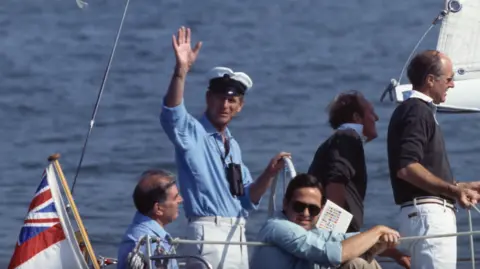
Cowes has long-had connections with both the British and foreign royal families.
Tsar Nicholas II of Russia and his family famously visited the island in 1909 and watched the Cowes Week yachting regatta.
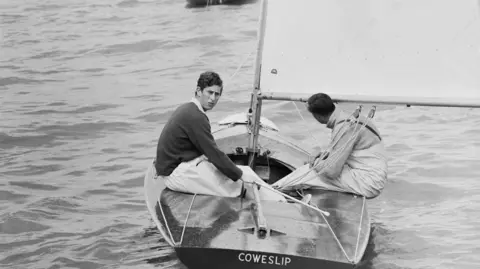
Prince Philip was a regular competitor until the late 1990s. He struck up a long friendship with island-based boat builder and yachtsman Uffa Fox.
He also brought his children to the regatta - with Prince Charles, Princess Anne and Prince Edward also seen taking part in races over the years.
 Getty Images
The modern Cowes Week
 Getty Images
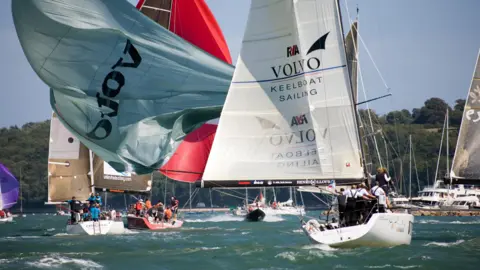
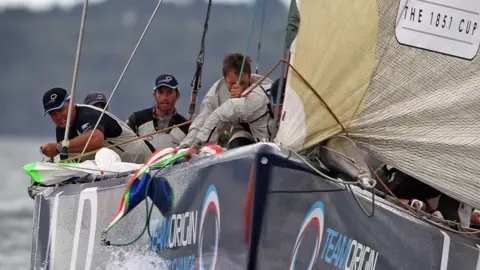
The 1990s saw Cowes Week bring in corporate sponsorship and rights deals with companies including Skandia and Aberdeen Asset Management.
Five thousand competitors participate each year, ranging from Olympic and world-class yachtsmen and women, to amateur enthusiasts and leisure sailors.
Four-time Olympic gold medalist Sir Ben Ainslie took part in his first Cowes Week in 1994.
"It's an incredible week and a true festival of sailing, combining some seriously hard-fought racing with a fantastic atmosphere ashore," he said.
"It's always a great opportunity to catch up with old friends, make new ones and celebrate our sport."
More than 60,000 visitors cross the Solent to Cowes every year for the racing and entertainment events.
 Getty Images