'Council must apologise profusely' over failed £465k second home clampdown

 BBC
BBCA council must apologise "profusely" over a failed crackdown on second homes which cost taxpayers £465k, a councillor has said.
Cyngor Gwynedd was the first council to introduce a requirement for planning permission to turn a property into a second home or holiday let, but this was quashed by the High Court.
Known as Article 4, judges ruled flawed and incomplete information had been presented to councillors when they approved the policy.
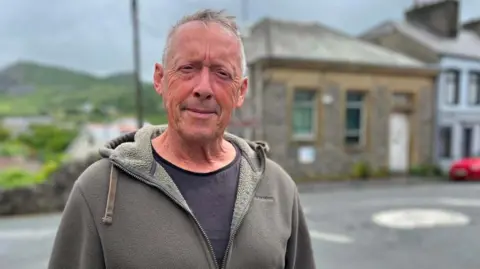
Gruffydd Williams said: "The council should apologise profusely... for the losses they have caused by presenting defective papers to the cabinet."
The council said it was "disappointed" with the court's decision but still backed the reasons for Article 4.
The council attempted to appeal the ruling, but was refused.
Williams supports the measures, but said: "The council should apologise profusely to the county's taxpayers for the losses they have caused by presenting defective papers to the cabinet.
"We also need to know what disciplinary steps have been taken, to bring this whole mess to an end."
Gwynedd has the highest concentration of second homes in Wales, and the council said stronger controls were needed to protect Welsh‑speaking communities and improve access to housing.
Article 4 was intended to help by placing restrictions on the conversion of more main homes into second homes or short‑term holiday lets.
But opponents, led by a group in Abersoch, successfully persuaded the High Court that reports had "significantly misled members" when the policy was presented to cabinet.
The judgement does not affect the parts of Gwynedd and Conwy that fall within the boundaries of Eryri National Park.
 Getty Images
A report has revealed £465,654 has been spent on implementing and defending the Article 4 process to date, and Welsh government contributed £402,330.
"The whole point of putting Article 4 in place was so that local people had some kind of chance to buy houses in this area, rather than everyone flowing from here to Bangor, Caernarfon, Cardiff and beyond," Williams said.
He added that the "council's mistakes had left communities back at square one".
Despite the legal defeat, he does not believe the council should abandon the policy.
However, he warned that any new attempt must avoid repeating the errors that led to the court challenge.
"It must be looked at realistically, and the correct papers must be presented, because we don't want the same mess again.
"Taxpayers have paid the price for these mistakes. It's time for the council to take responsibility."
Shayna Smith, of the People of Gwynedd against Article 4 campaign group, said it was "disappointing to see our council wasting our money on something that was harmful to local homeowners".
"Their excuse is that more homes are needed for locals, but we do not have enough jobs with high enough wages so that they can afford to buy a home," she said.
She added if the council planned to "resurrect" the measures, the community group planned to take legal advice on "the best way forward".
 Getty Images
On Thursday, Cyngor Gwynedd's cabinet member for the environment, Craig ap Iago, suggested the Plaid Cymru-led council was looking to reintroduce the article 4 process after the next local elections in May 2027.
He told the council's communities scrutiny committee there were "many factors" at play and that it would take more than a year to introduce, adding: "But politically we do intend to proceed with it."
A council spokesperson said: "Although we are disappointed with the court's decision, we also believe that the justification and the fundamental reasons for introducing Article 4 remain relevant.
"The council acted responsibly and in good faith in addressing issues that are extremely important to the future of our communities."
They added the 12‑month period during which Article 4 was in force in Gwynedd will be "crucial" as the local authority decides on its next steps.
