Teens 'pressured to fit in over energy drinks'

 BBC
BBCTeenagers in Guernsey say peer pressure, marketing and easy access are all encouraging young people to try energy drinks despite mixed experiences and health concerns.
Public Health leaders continue to monitor energy drink consumption among young people, describing high‑caffeine products as an "emerging substance of concern" in its latest strategy.
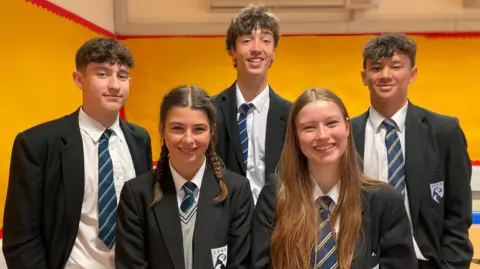
Students aged 14 and 15, have described feeling pressured to try energy drinks, even when they did not want to.
Charlotte said friends often start by asking politely before becoming more persistent.
She said: "They'll say: 'Do you want some?' and then it turns into: 'You should try it.'
"If they keep pressuring you, then you feel the need to do it - even if you really don't want to."
Others described how repeated exposure could make energy drinks feel normal and even addictive.
Rafaelsaid: "If your friends have them, they just want you to get them even more."
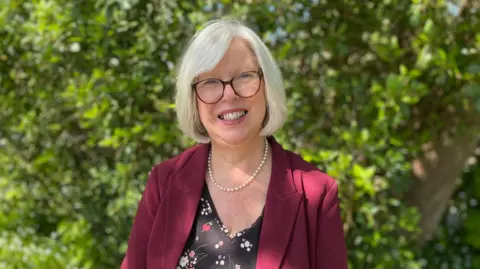
Dr Nicola Brink, Guernsey's Director of Public Health, warned energy drinks were "designed for adults", not children, and may pose health risks as high caffeine levels could affect behaviour and wellbeing.
She said: "They can cause poor concentration, anxiety and sleeplessness. I don't think they have a place in children and people under 16."
She added there were also concerns about brightly coloured branding making them appealing to younger people.
Public Health is monitoring the issue more closely while also watching developments in the UK, where restrictions on sales to under‑16s have been proposed, before advocating for changes in the bailiwick.
A UK review of the effects of energy drinks saw 40 health-related organisations call for sales to be further restricted.
But the British Soft Drinks Association said its members had already led the way with self-regulation and do not market or promote the sale of energy drinks to under 16s and label all high-caffeine beverages as 'not recommended for children'.
Beth Bradshaw, policy and advocacy lead at the Obesity Health Alliance, has called for a ban on sales to under-18s.
She argued the drinks had become "the cultural wallpaper" of young people's lives and "children can still walk into most shops and buy them quite cheaply".
She pointed to both sugar and caffeine as key concerns. But she also said sugar‑free options posed risks because of caffeine levels as "some of them have up to the same caffeine as three shots of coffee… and they're often consumed in one go".
Some popular drinks contain more caffeine than two cups of coffee. Excessive consumption has also been linked to headaches and sleep problems.
Some students said they felt no noticeable effects from drinking energy drinks, even unexpected ones.
"I didn't feel more energised," George said. "Sometimes I actually felt more sleepy."
Chloe said they actively avoided energy drinks because of concerns about what they contained.
"I'm more aware of what's in them," they said. "I don't think having one would be the best thing for me."
Despite this, young people said energy drinks remained highly visible and attractive.
"The bright colours and branding are eye‑catching," Charlotte said. "They're always at eye level, so you notice them straight away."
Others pointed to promotions as a factor.
"They're part of meal deals," Chloe said. "So you just get one because it's included, not because you were planning to."
Asked whether drinking them was "cool", Chloe replied simply: "No," but pressure to try them remained.
"You might not even like them but you say you do, just to fit in," they said.
Follow BBC Guernsey on X and Facebook and Instagram. Send your story ideas to channel.islands@bbc.co.uk.
