Rewilding project brings species back to estate

 BBC
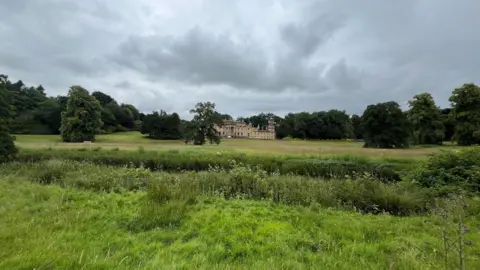
BBCWildlife is "returning at pace" to an estate near Skipton, according to the team behind an ambitious rewilding project.
Across two-and-a-half thousand acres at Broughton Sanctuary, trees have been planted, rare species introduced and wetlands restored.
The estate's Nature Recovery team, which launched the scheme in 2021, said it had planted more than 340,000 trees, all species native to the area, which had in turn attracted insects.
The group's Sarah Kinloch said: "When insects come you get small birds. Small mammals live in the long grass and so then you get birds of prey. So it just kick-starts everything."
For the first time in living memory, all five species of British owl are making Broughton their home, the conservationist said.
Also returning to the landscape are sparrowhawks, red kites, kestrels, peregrine falcons and hen harriers.
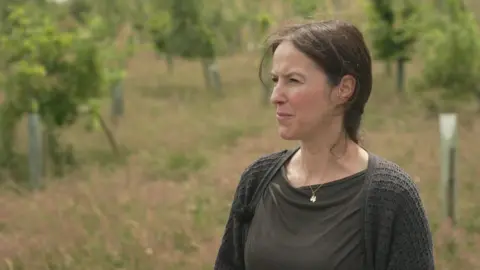
Kinloch said volunteers were compiling a list of all the different species in the area, which currently stands at about 1,750.
For more than 900 years the Broughton Hall Estate has been under the stewardship of the Tempest family.
Kinloch said: "They have seen the estate evolve through various different forms and more recently through this intensive agriculture which has created a billiard table green layer of grass and not much else.
"So we wanted to bring some biodiversity back."
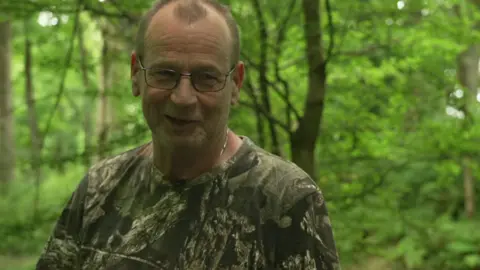
Adrian Lee, one of the estate's wildlife wardens, said: "I started in 2007. The changes I've seen, especially since we started rewilding, have been nothing short of remarkable.
"The sheer amount of wildlife we have got back or never had before - like different types of birds of prey, mammals and I'd say foxes, badgers, hares... we are seeing a lot more than we ever have before."
Beavers are among the species making the estate their home. Their work building dams has slowed the flow of water through the woods.
Lee said this had encouraged little egret, heron and dragonflies.
"When they first came I thought the beavers were quite dull," he admitted.
"But when you look at what they've done, in such a short space of time, they are remarkable.
"They're kind of growing on me a little bit."
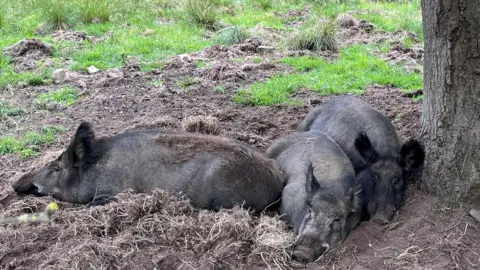
Lee also checks on the Iron-Age pigs, a rare cross between a Tamworth and European wild boar.
They arrived at Broughton in August 2024 and are already making their mark.
As they search and dig through the soil, they break up the ground creating bare patches for wildflowers and awaken dormant seeds.
"They can turn over a field inside six weeks and it will look like you've had a tractor and rotavated it," Lee said.
Five years after the rewilding project began, Kinloch said there remained plenty of work to do.
"We have got a deep sense of disconnection from nature as a human race," she said.
"So we want to try and bring that into a bit more balance, because without a healthy planet we can't survive ourselves as a species."
Listen to highlights from North Yorkshire on BBC Sounds, catch up with the latest episode of Look North.
