Heath island being turned into wildlife sanctuary

 BBC
BBCA project to transform an island on Hampstead Heath's Model Boating Pond into a dedicated wildlife sanctuary to create a safe haven for nesting birds has started.
The City of London Corporation, which manages the Heath as a registered charity, has begun work to remove the land causeway linking the island to the pond's edge.
Once detached, the island will no longer be accessible to visitors or pets, allowing wildlife to feed, rest and breed without disturbance.
The scheme has been backed by more than £50,000 in public donations, alongside funding from the City Corporation's Climate Action Strategy.
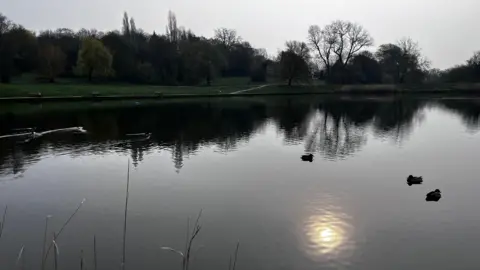
As well as the sanctuary, it will also deliver nearly 100 sq m of new reedbeds and wildflower habitat, supporting wetland birds, amphibians and reptiles.
Temporary fencing will be installed while vegetation becomes established.
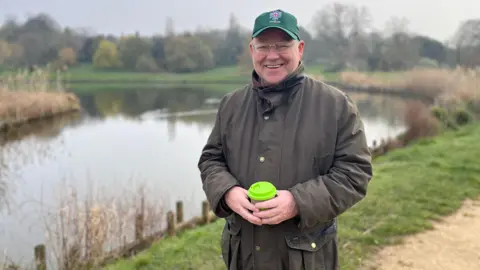
Alderman Gregory Jones KC, chair of the Hampstead Heath, Highgate Wood and Queen's Park committee, said the sanctuary would provide a vital refuge for species already relying on the pond.
"This important project will create a peaceful sanctuary for wetland birds right in the heart of Hampstead Heath," he said.
"By removing the causeway, we're giving species like mallard, coot, grebe and swan a safe space to feed, rest and nest – free from human disturbance."
He added that new reedbeds would strengthen nationally important ecosystems while naturally storing carbon.
"As they grow, the reeds will absorb carbon dioxide and lock it away over time," he explained.
John Beyer, chair of the Heath and Hampstead Society, which helped raise most of the project's funds, welcomed the start of the works.
"Removing the causeway will allow nature to flourish with fewer disturbances," he said.
"We hope visitors will increasingly glimpse species such as woodcock and snipe, alongside familiar favourites like moorhens and coots."
Created during 2016 flood‑management works, the island has since become a nesting hotspot for herons, grebes and other wetland birds.
Hampstead Heath attracts more than 10 million visits each year and is home to over 800 species of flora and fauna.
Listen to the best of BBC Radio London on Sounds and follow BBC London on Facebook, X and Instagram. Send your story ideas to hello.bbclondon@bbc.co.uk
