Region's devolution stalls over 'party politics'

 Getty Images
Plans for a devolved regional authority for the Thames Valley have been put on hold after political leaders failed to agree a way forward.
A meeting on Wednesday was due to finalise a bid to government to create an Foundation Strategic Authority (FSA) for Oxfordshire, Berkshire and Swindon, giving the area more economic powers.
But disagreement over Swindon's inclusion, as well as the overall approach of a FSA, rather than a mayor-led authority, led to the Liberal Democrat leaders of Oxfordshire County Council and Windsor and Maidenhead withdrawing support.
Labour politicians from across the region have condemned the action, saying party politics had "overturned 18 months of work on a whim".
A mayoral authority would see existing council areas combined to form one so-called mega-authority.
Designed to bring more money to a region, it would also give local politicians a say on how to spend it, in areas like transport and economic development.
Under an Mayoral Strategic Authority (MSA), an elected mayor would hold ultimate responsibility for the budget as well as oversight on where it is spent.
But leaders across the Thames Valley were told by government at the start of the year that the region was no longer being considered for an immediate MSA.
Instead, they were told to make plans to form a FSA, described by the government as "a stepping stone towards mayoral devolution in the future".
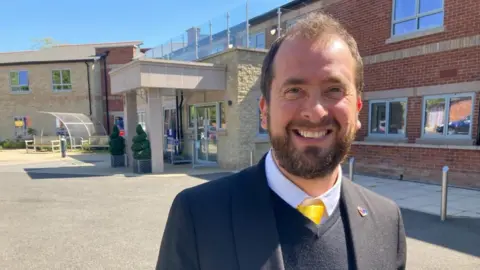
In withdrawing from the plans, newly elected Oxfordshire County Council leader, Tim Bearder described the change as a "downgrade."
Bearder said it would create a body with "very limited powers, very limited funding and no meaningful answer to the question of how it will improve the lives of Oxfordshire residents".
As well as concerns over what powers the regional organisations should have, debate continued over the inclusion of Swindon within the new authority.
Bearder said Swindon was "not part of the Thames Valley",
"The government's own rationale appears to be based on administrative convenience rather than genuine local coherence," he added.
Both Beader and other Liberal Democrat council leaders said they were still committed to devolution, but were unable to agree with with current plans.
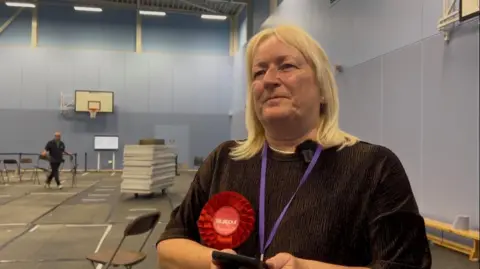
Criticising the decision, Leader of Reading Borough Council, Liz Terry, accused Bearder of "playing politics" by walking away from a deal which she said would bring huge benefits for residents and businesses across the region.
Leader of Oxford City Council, Susan Brown described the move as overturning 18 months of work "on a whim".
"Oxfordshire's residents, businesses and our local and national economy will lose out on government and other inward investment.
"We will not be able to bring decision-making closer to local residents and deliver more for them. It's disgraceful," she added.
Liberal Democrat leaders from Cherwell and West Oxfordshire said they were still in favour of an FSA.
In a joint statement, Lesley McLean and Andy Graham said: "It would bring increased investment and provide that strategic scale to proactively tackle key issues like economic growth, transport, net zero and skills, and would support the ambitions we jointly hold as councils to improve our districts."
