In pictures: Shetland, its people and culture at turn of 20th Century

 Shetland Museum & Archives
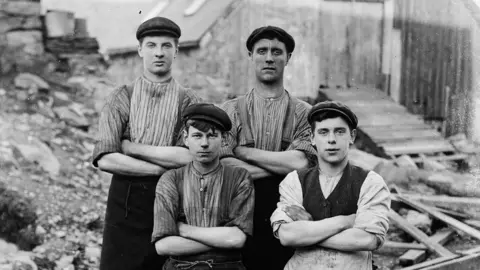
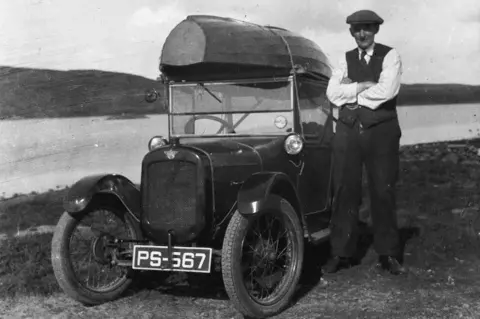
A pioneering photographer who captured Shetland's landscape, people and traditions at the turn of the 20th Century is being celebrated in a new exhibition marking 150 years since his birth.
A Time to Keepat Shetland Museum & Archives brings together some of John D Rattar's most well-known images alongside lesser-known pieces, offering a glimpse into the explorer and storyteller behind the camera.
Born in the north mainland of Shetland in 1876, Rattar's early life was shaped by loss when his father died at sea just eight weeks after his birth.
He was raised by his mother and he began his working life as an apprentice joiner before developing photography as a passion.
 Shetland Museum and Archives
Entirely self-taught and working with modest equipment during an era when photography was a challenging and evolving craft, Rattar went on to become one of Shetland's most respected photographers.
He created more than 3,400 glass negatives capturing the late 19th Century - when Queen Victoria was on the throne - through to the 1950s.
The negatives are now preserved in the museum's collection.
 Shetland Museum & Archives
 Shetland Museum & Archives
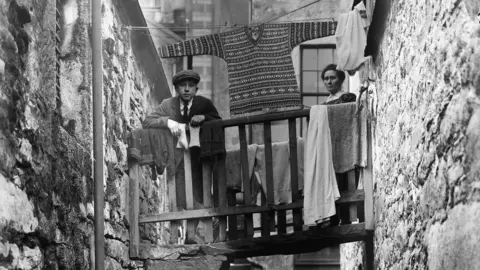
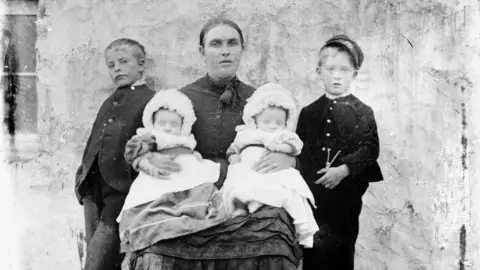
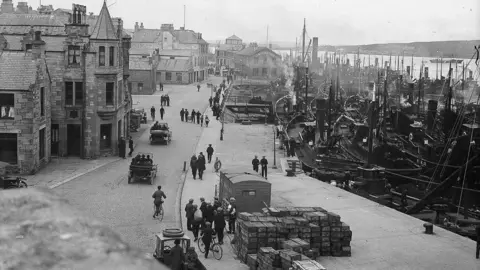
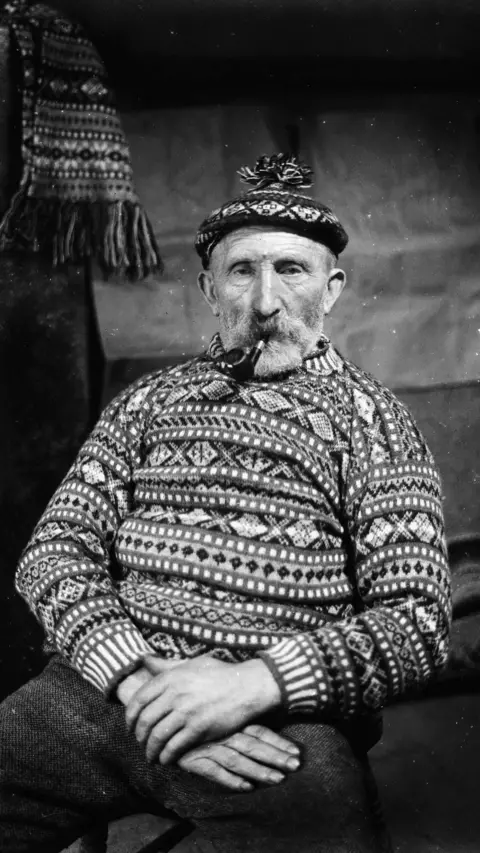
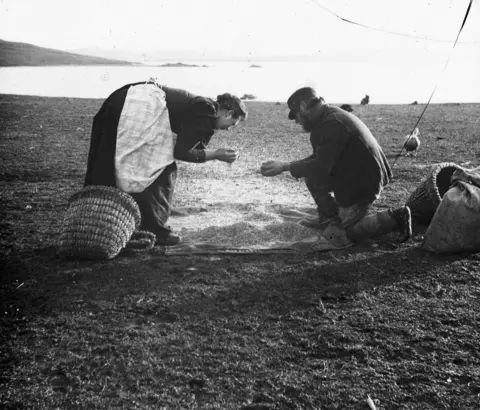
Over the course of his career, Rattar documented all aspects of island life, from fishing stations to crofting, textiles, children at play and historic events.
He also captured candid portraits, dramatic shipwrecks, wartime scenes and wildlife.
Rattar's dedication to his craft often took him far beyond the beaten path.
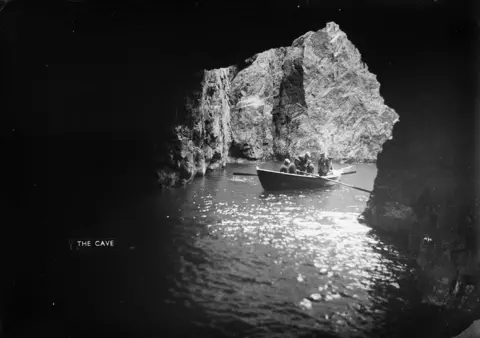
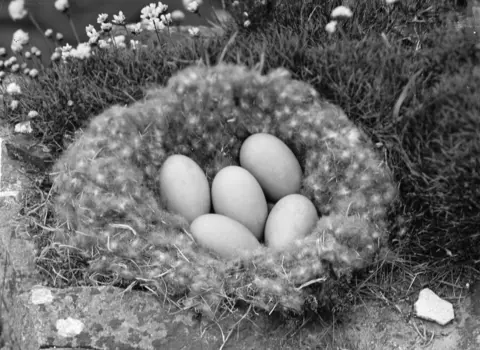
He would climb almost inaccessible cliff edges to photograph birds' nests and travelled by boat into remote caves, capturing parts of Shetland that many people would never otherwise have seen.
 Shetland Museum & Archives
 Shetland Museum & Archives
 Shetland Museum & Archives
"His photographs reveal both technical skill and a deep affection for the islands, preserving moments of everyday life, changing landscapes and traditional ways of living," said Karen Clubb, exhibitions officer at Shetland Museum and Archives.
"He was documenting life in Shetland when few others were doing so.
"His images feel natural and unposed, and in many ways he was ahead of his time."
 Shetland Museum & Archives
Shetland Museum's senior curator of collections, Carol Christiansen, said: "Ratter was operating at so many different levels.
"One day he might be photographing a tiny newly hatched bird or a nest of eggs, and the next he would be documenting a bomb crater or a shipwreck.
"He was an explorer of Shetland in every sense - geographically, culturally and artistically.
"He noticed something special about these islands and their people and preserved it with extraordinary sensitivity."
 Shetland Museum & Archives