Wildlife conservation work to get £1m boost

 Getty Images
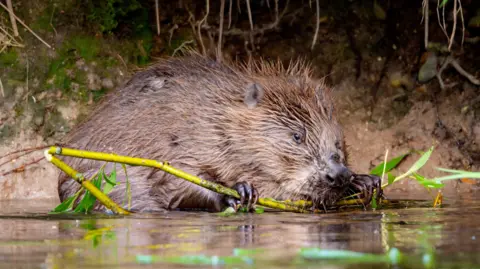
Beavers, endangered butterflies and birds will be among the species to benefit from a £1.28m government grant.
The money has been awarded to the Kent Wildlife Trust, through Natural England's Species Recovery Programme, backed by The Department for Environment, Food and Rural Affairs (Defra).
It will be spent on projects on the River Stour, with Kent the home to England's largest population of wild beavers, and ancient woodland at the Blean, near Canterbury.
The Trust said the award shows the county's importance in conserving endanged wildlife.
Paul Hadaway, director of conservation and engagement, said: "It gives us the opportunity to strengthen our nationally important beaver population, deepen our understanding of some of England's least known woodland invertebrates, and create the conditions for them to recover and thrive.
"The knowledge we gain here in Kent won't just benefit local wildlife - it will help shape species recovery across England."
 Kent Wildlife Trust
The biodiversity of the beaver population will be strengthened with more animals being released, while the trust works with landowners to restore the creatures' habitat.
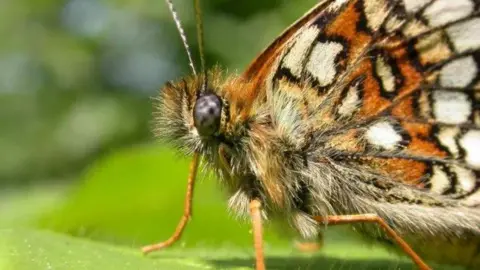
A survey of the Blean will focus on six endangered species that are found there, including the the heath fritillary butterfly, one of the UK's rarest, and the turtle dove.
Emma Reynolds, Secretary of State for Environment, Food and Rural Affairs, said: "Through the largest-ever investment in species recovery, we are backing projects across the country to protect threatened wildlife, restore habitats and secure the future of some of England's most iconic species."
Follow BBC Kent on Facebook, on X, and on Instagram and listen to BBC Radio Kent on Sounds. Send your story ideas to southeasttoday@bbc.co.uk or WhatsApp us on 08081 002250.
