Search and rescue teams 'at risk from new law'

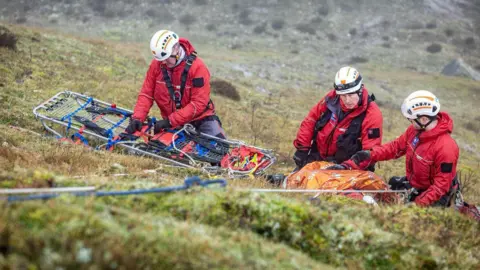 East Cornwall Search and Rescue Team
Search and rescue teams say a new law could mean they have to stop providing their life-saving service.
One of the recommendations of the inquiry into the Manchester Arena bombing was that organisations offering healthcare at events should be registered with the Care Quality Commission (CQC).
Devon and Cornwall's search and rescue teams have said the £1,000 registration fee per team and amount of required paperwork would be impossible to undertake and so could lead to the voluntary groups being disbanded.
Dr Bruce Hughes, team doctor for East Cornwall Search and Rescue Team, said CQC registration was complex "so we'd have to consider whether or not we could carry on working".
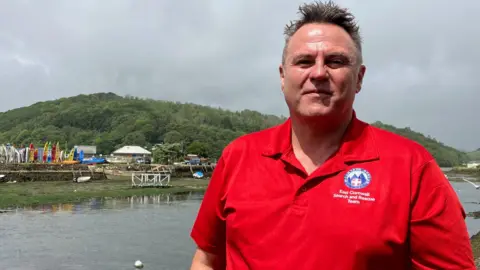
The new law would apply to the four search and rescue teams that cover Dartmoor, Exmoor's team, Cornwall's two teams and the Devon Cave Rescue Organisation.
The voluntary teams are on call 24 hours a day, seven days a week to find and help people who are lost or injured.
The Maritime and Coastguard Agency has confirmed HM Coastguard would be "unaffected by the proposed changes" and its coastguard teams were exempt from the new law, unlike search and rescue teams.
Hughes, a Looe-based GP, said the East Cornwall Search and Rescue Team carried out an average of about 35 call-outs a year.
He said: "Registration with the CQC would be a terrible thing for us to have to do because we just don't have the infrastructure and resources to be able to comply with that.
"Hopefully some common sense will prevail, I'm not against regulation of first aid activities on a paid basis, but we are volunteer-run, charitably funded, 24-7 service that is part of the emergency responses in Cornwall.
"If we don't go, there's nobody else to go."
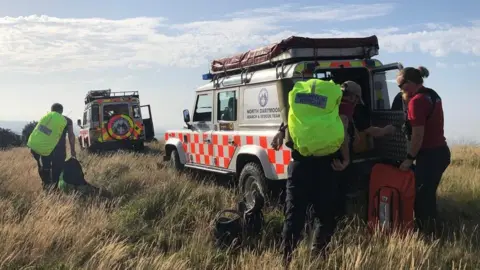 North Dartmoor Search and Rescue Team
Medical officer for the North Dartmoor Search and Rescue Team Dr Ben Morris said: "CQC registration would be a massive cost for us to fundraise against and it would potentially prevent us supporting local community events and providing safety cover for these events which helps our teams generate income.
"I think that we've been caught up in quite a large process of wanting to provide significant governance around large scale event cover.
"We are small teams operating in quite specific environments and we were hoping for a proportionate, risk-based response, as opposed to a one-size-fits-all response."
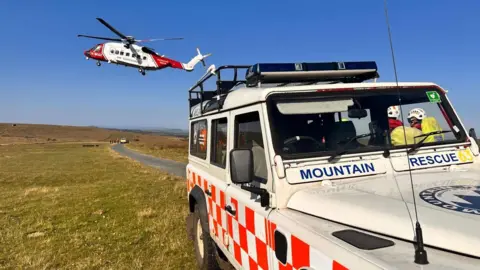 North Dartmoor Search and Rescue Team
Chair of Peninsula Search and Rescue Paula Holbrook said: "My worry is if registering is going to be too difficult, too complex for us, we won't be on hand in the way that we've been before and we will have to wait for a 999 call before we can attend.
"What we do at the moment is we think about and pre-empt where we might need to be and we wait there in the hope that nothing happens, and often it doesn't, but should something happen we're there on scene.
"We can really cut the times that somebody is waiting for help and support, and if someone's injured on the moor, long waits can be very distressing so the quicker we can be there, the better."
 House of Commons/Handout via REUTERS
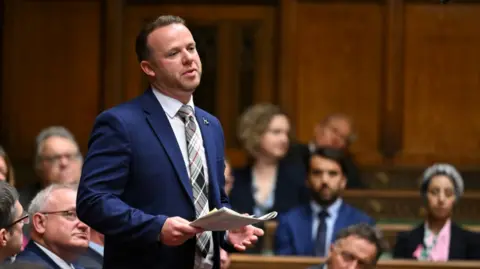
North Cornwall MP Ben Maguire recently told Parliament about his concerns about the effect the new law could have on search and rescue teams.
He said: "I really do feel we need to remove as many barriers and as much bureaucracy as we possibly can from these voluntary organisations that do such amazing work.
"In the summer months lots of people using our coastal paths, walking in very remote locations, sometimes finding themselves in trouble and needing the assistance of the search and rescue teams.
"With these changes, I'm very concerned and anxious that these teams may not be able to continue this fantastic work."
He said he hoped a cross party meeting of MPs could take place to discuss the matter with the health minister to "make clear the unintended consequences, which I don't think the government have quite taken into account".
Disease, disorder and injury
The new law is an amendment to the Health and Social Care Act 2008 set to come into force in September.
Following the Manchester Arena Inquiry, there was a recommendation to change the law so the CQC would oversee healthcare at sporting venues, gyms and temporary healthcare at major events.
The recommendation was to regulate treatment of disease, disorder and injury, not including first aid.
The Department of Health and Social Care said the aim was to strengthen oversight and protect public safety.
The CQC closed a consultation on the proposed amendment in June and said it would share the results soon.
The consultation had been centred on the implementation of registration for search and rescue groups, rather than any exemption, the CQC said.
The commission said the decision to exempt search and rescue teams would have to come from the Department of Health and would likely require a legislative change.
There will be a 15-month period where providers can register and where CQC process registrations before regulation becomes enforceable.
The provisions to allow registration is set to come into force on 7 September 2026 with the regulation set to come into effect for purposes of regulatory assessment from 6 December 2027.
