Bluetongue outbreak to get worse, warns chief vet

 BBC
BBCFarmers are being urged to continue getting their livestock vaccinated against bluetongue despite a bottleneck in supplies arriving from Europe, as the UK's chief vet warns the outbreak will "get worse".
The latest government figures show, of the 395 farms with bluetongue cases in the UK, 228 are in Devon and 84 are in Cornwall.
UK chief veterinary officer Dr Christine Middlemiss predicted the virus, which is spread by infected midges, would worsen following the fifth heatwave of the year.
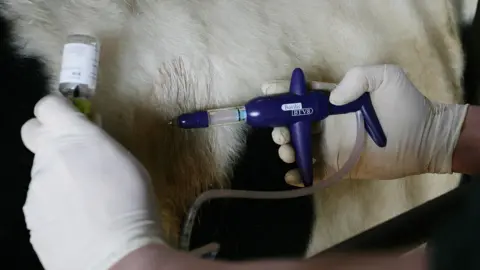
She said Europe had been vaccinating at higher rates than the UK and had more supply but added: "Do go and order it... there is still time to vaccinate and help prevent infection."
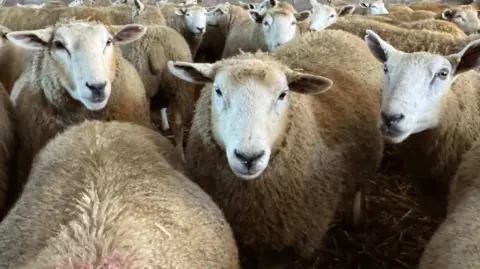
Bluetongue causes sheep to develop mouth ulcers, swollen lips and become lethargic. In some cases, it can lead to death.
Infected cattle can become lethargic, develop redness around the mouth and not eat.
Vets have reported the virus is "out of control" after a "massive rise in cases" in recent weeks - causing heartbreak for farmers.
Okehampton's agricultural show banned cattle, sheep and goats this year and one Cornwall MP has called for an emergency fund to be set up.
 PA Media
Middlemiss said vaccines were not "sitting on vet shelves" but instead were being imported from Europe and demand had surged recently.
"Europe is using vaccination, they've been vaccinating at higher rates than us so there has been more vaccine there, but the manufacturers are working very hard to pull it through into GB," she said.
"It is going straight out."
She conceded it was "likely" bluetongue would be a persistent problem for the UK as the climate changes.
"Bluetongue will be here to stay and we will need to keep on a constant programme of vaccination to keep high levels of protection," she said.
