Is Lancashireism an alternative to Manchesterism?

 BBC
BBCPrime Minister Andy Burnham's Manchesterism model for growth is the wrong approach for areas without a major city at their heart, according to a member of Lancashire's ruling party.
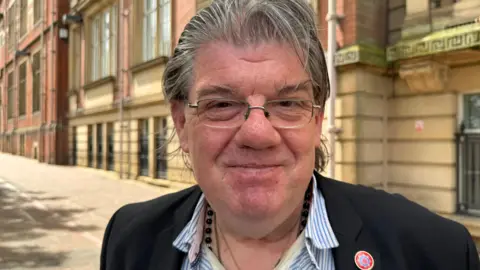
Reform Lancashire County Council member Dr Ged Mirfin said he instead believed in something he has termed "Lancashireism" - which would favour a "polycentric county-region, where power, investment, economic growth and public services are distributed across a network of towns and communities".
Independent economic advisory firm Oxford Economics produced a report in June that argued Manchester city centre had seen the most growth, but that growth in the wider region had still been higher than the national average.
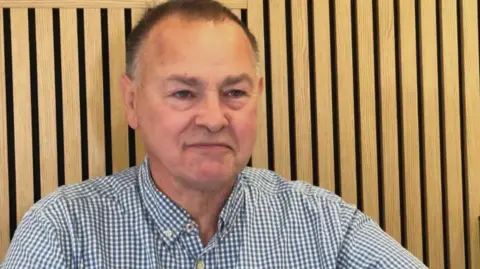
Lancaster University political expert Dr Matt Cole said a potential challenge of Lancashireism was that places in the county did not have a strong shared identity.
What is Lancashireism?
Mirfin said his idea was that multiple towns in the county could share influence and responsibility, rather than "being subordinate" to cities such as Preston and Lancaster or large towns such as Blackburn and Blackpool.
He said: "We've already seen some of the negative effects of Manchesterism in terms of Manchester City Council getting a large part of the funding and the periphery authorities, the Wigans, the Boltons, the Tamesides not getting what they deserve in order to help them grow their economy."
Lancashire is in the process of a major local government reform, which is set to see its 15 unitary and borough councils abolished in favour of four authorities.
But the county is not set to get an elected mayor until 2028, under the current plans.
The powers of the Greater Manchester mayor were significantly strengthened through what was billed by the last Conservative government as a "trailblazer devolution deal" negotiated with the Greater Manchester Combined Authority (GMCA), the body run by the mayor and the leaders of the 10 Greater Manchester boroughs.
Academic Cole said he thought Manchesterism had worked for the most part in Manchester, but added it was not "unproblematic", because "there are always arguments about the parts of the city and parts of the population as to who's gained the greatest benefit".
He agreed that "Lancashire is not Manchester" but said there was a problem for anyone promoting Lancashireism because "its population doesn't feel as strong an identity, with the county as in some other counties" and has more loyalty to the town or city they live in.
Mirfin said he thought an elected mayor in Lancashire needed to be part of a "more sophisticated governance and decision-making structure" that could include "a Senate based upon the towns of Lancashire to give them a voice".
He said: "The interesting thing about Manchesterism is everyone focuses on the mayor and says that the mayor is all powerful, the mayor in Manchester isn't all powerful, he is one of 11 other voices."
But Cole said he thought a mayor was necessary if either Manchesterism or Lancashireism was to work.
"Having Andy Burnham or the leaders of other major cities able to go and sit around the table in Number 10 with the prime minister has been a great advantage.
"It's difficult to see how the kind of effect that's been had in major cities could be secured for Lancashire without a voice speaking to government."
Mirfin said he hoped his suggestion for Lancashireism would be taken onboard by Burnham.
Cole said: "I'd love to see it working but I'm aware that the current circumstances and some of the inherent problems of the project make it a major challenge.
"It's going to be harder than Manchesterism, but no less valuable if it can be done."
Listen to the best of BBC Radio Lancashire on Sounds and follow BBC Lancashire on Facebook, X and Instagram. You can also send story ideas via Whatsapp to 0808 100 2230.
