'Let young people lead the way on anti-social behaviour'

 BBC
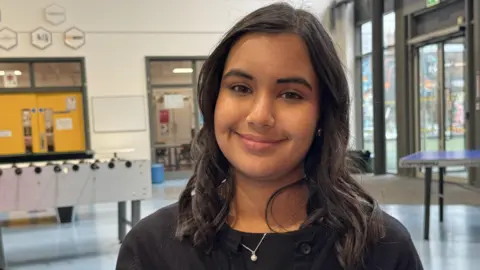
BBCFor Sienna Ahir and her peers, witnessing the impact of anti-social behaviour has become a normal part of life.
The 17-year-old said it was "very common" in the West Midlands and it affects many young people, whether they were victims, were encouraged to take part or were constantly hyper-alert to the risks.
"You're always exposed to it, especially when you're just walking down the street or taking the bus home from school," the Wolverhampton teen said.
"You really feel that fear when you're walking home by yourself when it's dark and you see a stranger coming towards you."
Over the last four months, police have issued dispersal orders in Lichfield, Coventry, Worcester and Shrewsbury, following a spike in anti-social behaviour.
Many of these have been put down to large groups of teenagers causing disruption, whether via verbal abuse, criminal damage or riding e-scooters and e-bikes.
In Stoke-on-Trent, children under 15 years old were recently banned from travelling on buses solo after 18:00 BST because of anti-social behaviour.
Sienna, a member of Wolverhampton's youth council and former youth MP, said it had become "normalised" and young people were unfairly becoming the face of it.
"You see it every day on social media or when you're walking home. It makes it very normal to see things that shouldn't be seen," she said.
"It really shouldn't be that way," she added. "That's why I think people should call it out and there should be more done to actually prevent it, rather than react to it."
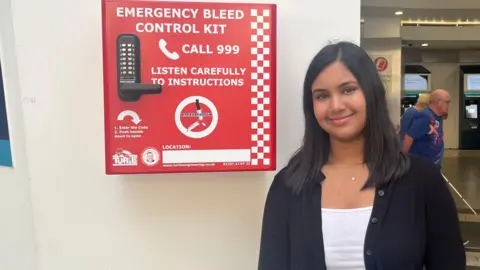 Sienna Ahir
Sienna highlighted poverty as a key factor, but said a lot of youngsters would also "succumb to peer pressure".
"You're surrounded by people encouraging you to act a certain way and they adhere to the stereotypes adults have about them," she said.
"If people are always telling you that you're lazy or that you're not well behaved, you just become that."
Social media also played a role, she added, due to it sometimes "glorifying" bad behaviour.
"Whether it's people bragging about it or the media outlets talking about it, you kind of learn how to be anti-social in a way," Sienna continued.
"I see so many videos of young people knocking down doors and stuff - that's because the algorithm pushes provocative content."
'Leading the change'
Sienna heads Daggers Down – an initiative calling for an end to knife crime – and said there were similarities in how both youth violence and anti-social behaviour should be tackled.
This included through changing attitudes towards young people, alongside more education and investment in youth services.
Sienna also called for decision-makers to ensure young people were "leading the change" when it came to policy.
"We're the ones living in the present of the issue that's happening," she said.
"We hear young people are the future, but we're being impacted today. So rather than waiting for us to turn 18 to have a say, people should actively be asking us for our opinions and experiences."

Alexandra and Deborah, both 15, are youth ambassadors with YMCA North Staffordshire and have also worked with Ulysses Youth in Stoke-on-Trent.
Alexandra said peer pressure was a key issue in anti-social behaviour and many teenagers wanted to "fit in with the crowd".
She said it was vital children had access to opportunities, including youth services, as they could help to "influence their mindset".
"It can have a huge impact on many people's lives and I love being a part of that," she added.
Deborah said initiatives like YMCA's youth ambassadors scheme gave them "a voice in decisions that affect them".
"I think there are opportunities available," she added, "but they're not accessible to everyone - money is a problem, transport is a problem, [and] people not knowing enough information."
Deborah said young people have a lot of ideas but needed "the right spaces" to voice them.
"We need to involve young people directly, rather than adults making all the decisions," she said.
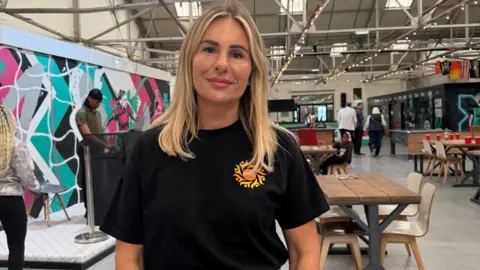
Laura Bailey, founder of Ulysses Youth, has worked in the youth sector for about 17 years, and launched the group after reflecting on the cuts to services since 2010.
She said there was a "plethora" of youth activities in Stoke-on-Trent, but communicating their existence was a challenge.
In terms of anti-social behaviour, she said: "As a society, we have to remember that period of adolescence, when we could make poor decisions or were easily influenced, as a rite of passage.
"Obviously we want to moderate that behaviour, we're not suggesting we let young people run around causing absolute carnage, but it's how we support them and give them a little bit of grace and understanding."
'They are bored'
Rebecca Bunger, Head of Youth Work and Partnerships at The Way Youth Zone in Wolverhampton, said risk-taking behaviour was typical among teenagers and could lead to them getting into trouble.
She said this has been exacerbated by the "diminishing" number of places for them to go, particularly for those from low-income families.
"They are bored," she continued, "and when young people are bored, they get up to mischief.
"Unfortunately, we've seen young people engaging in risk-taking behaviour that becomes criminal."
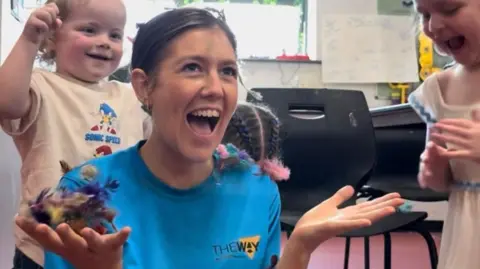 The Way Youth Zone
Bunger said she understood the frustration adults felt when young people were involved in anti-social behaviour but police measures like dispersal orders, while effective, only "moved a problem on".
She said society needed to have "honest conversations" about the wider issues.
"Lots of young people have a real desire to be successful," Bunger continued, "but if the avenues aren't open, they look for other opportunities to find that success and there's potential for that to become criminal."
She added: "I'd love to see more investment in youth spaces and after-school activity for young people, but beyond that, I'd love to see more investment in young people's mental health and wellbeing."
Follow BBC Wolverhampton & Black Country on BBC Sounds, Facebook, X and Instagram.
