What's behind the rise of the independents?

 BBC
BBCLancashire has seen a rise in the number of independent councillors following the recent local elections, but why are so many voters turning away from mainstream parties?
With six of Lancashire's councils now under no overall control, these independents could see themselves wielding more power.
They made enough gains that in some parts of the county they are the majority group, or second largest which means they could enter into coalitions, or have a significant voting block.
University of Lancaster politics expert, Dr Matt Cole said: "They draw in voters because we've fallen out of love increasingly with the main parties."
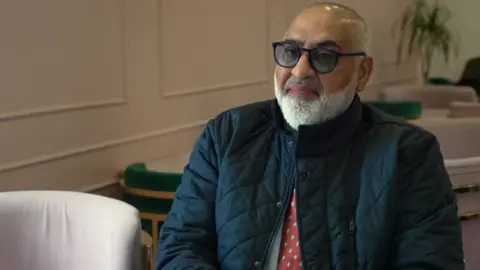
In Blackburn with Darwen the 4BWD group is now the second largest party on the council with 16 seats.
Starting out with five seats after a split with Labour over its stance on Gaza, it made significant gains this time out.
Deputy leader of the group, councillor Salim Sidat MBE said: "There's a lot of things happening here that Labour aren't addressing, we're worried about potholes, cost of living, doctor's appointments, hospital appointments, more things locally than nationally and internationally."
He believes the success is down to people being disillusioned with national politics: "Keir Starmer hasn't covered himself in any glory, the Tories are nowhere, the rise of Reform, at moment the politics is very bad in the country."
'Their problems are our problems'
Over in West Lancashire, it was really a two horse race between Reform and the Our West Lancashire (OWL) group in many of the seats up this time.
Originally formed in 2015, the group faced its first real test at this election.
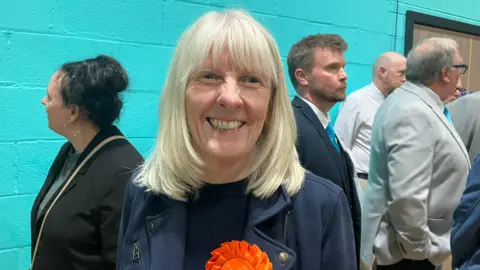
Councillor Linda Webster was originally elected as OWL and kept her seat in Rural South: "I think it's because we really are truly part of the community, we live in the community, I live in the ward I serve, I think people see us out and about every day and they realise that their problems are our problems."
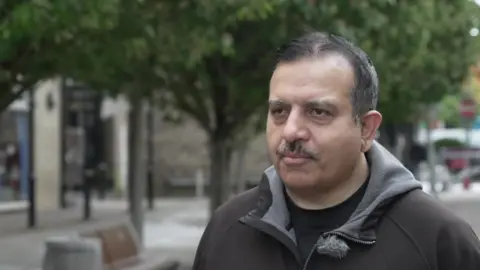
In Pendle, the independents have been in a shared administration at the council since 2024, after Labour councillors there also resigned over Gaza.
Councillor Mohammed Iqbal MBE thinks the work they have done in that time has contributed to them now being the largest group on the council.
He also thinks that being an independent has its advantages: "It gives you more freedom because you can actually get things done on a local level, we've put priority services at the forefront of our minds, we can allocate budgets as we want to benefit our residents and not be tied down to what the national parties want us to do."
How much power do they have?
Dr Cole thinks the independents can make a difference: "They can be the leaders of the council, the king makers, the brokers and can exercise influence that way."
But, he said there are difficulties that independents face: "Once in office they will tend to be less experienced and by definition because they're against whipping of councillors they may find it hard to hold themselves together in those negotiations and in office afterwards."
So, how likely is it that they will help form new administrations? Well, that depends on where they are.
OWL now has 11 seats on West Lancashire council, and its leader has not ruled out working with other parties, so could see itself in a very strong position.
But in Blackburn with Darwen, councillor Sidat does not think so: "We haven't got enough experience to take over the council, we'd love to, but we're not here for power, we're here to serve the community."
Pendle's independents will continue to run the council in a coalition and councillor Iqbal has advice for the other independents.
He said: "You need to provide services for local people and that sometimes means talking to other political parties, don't get cocooned into your own shell, be bold enough to talk to other parties, but clearly take the lead if you're the biggest group."
