Record high number of children refused mental health help

 BBC
BBCNew figures show a record number of referrals have been rejected from NHS specialist child mental health services.
Public Health Scotland (PHS) data shows 1,274 referrals to Child and Adolescent Mental Health Services (CAMHS) were not accepted in March, the highest ever monthly number.
The increasing trend of rejected referrals also reached an all-time yearly high in 2025.
The Scottish government's Mental Wellbeing Minister, Maree Todd, said CAMHS is only right for a small proportion of young people with serious mental health difficulties and more than £80m has been invested in community-based support since 2020.
Doctors and charities warn the increasing number of rejected referrals shows there are gaps in alternative mental health services for young people who risk ending up in crisis without help.
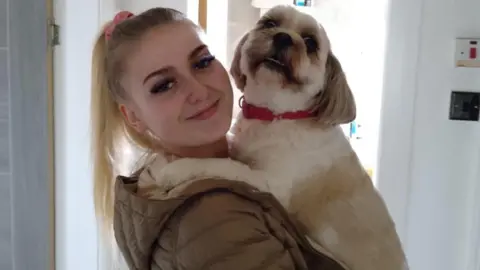
Élise Graham's referral to NHS specialist child mental health services was rejected when she was 14 years old.
She had struggled with her mental health after her parents' divorce but eventually opened up to a teacher who referred her to CAMHS.
She said she was left "absolutely distraught" when her referral was rejected due to insufficient evidence in 2019.
"I had knots in my stomach all the time, I felt sick getting out of bed, going to school," she said.
"I was just like, what do I do now?"
"It feels really humiliating because I opened up to all these people and it was really hard to look at it all and think 'this is what I'm going through and you still don't think it's enough'."
While she received help from her GP and four counselling sessions in school, she said the support was fragmented.
Élise would like to see more mental health support for young people so "everyone can get the support they deserve" and hopes to help others by speaking about her own struggles.
"I don't want anyone else to feel the way that I did," she added.
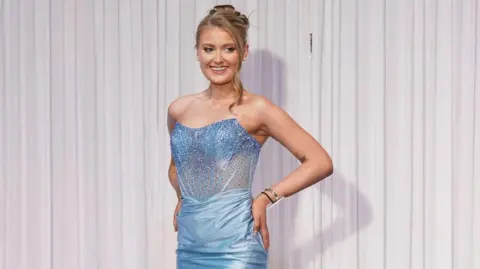
Now 20, Élise says she gained confidence as an ambassador for Scottish Action for Mental Health (SAMH) and while competing in beauty pageants.
She was a Miss Great Britain Glasgow finalist in 2026.
 Brian Hayes Photography
In March last year the NHS met a government target for the first time that 90% of children should receive a first assessment by CAMHS within 18 weeks.
Those working in this area welcome the progress but warn it does not tell the whole story.
Dr Laura Sutherland, vice-chair of the CAMHS Faculty for the Royal College of Psychiatrists in Scotland, said there are increased pressures on the service, with more complex patients who are in "more distress".
Dr Sutherland said they are treating children who have more than one mental or developmental disorder such as eating disorders, psychosis or depression.
She said other support services like counselling for bullying were extremely important to try help prevent children developing a mental illness in the future and needing CAMHS.
She believes it would be good to investigate why increasing numbers of referrals are being rejected.
In 2018, when around 20% of referrals were rejected, an audit was commissioned by the Scottish government.
One of the recommendations in the report said: "In a well-functioning system, there should be no need for rejected referrals.
"However, if they do occur, the Scottish government should require personalised and meaningful signposting to be mandatory."
A total of 37% of referrals were rejected between January and March this year.
Concern over 'unmet needs'
There has been a decrease every year for the past four years in the number of referrals CAMHS have received and accepted.
The number of rejected referrals has increased or stayed steady each year in the same period, reaching a record high of 11,067 in 2025.
Dr Katie Cathrow, vice chair of the Royal College of GPs Scotland (RCGP), said "unmet need" in mental health for young people is "very evident" and has called for increased funding for mental health.
She says a wider range of options including consistent community services are needed for those rejected from CAMHS.
"Rejected referrals can add to a patient's feelings of being unworthy of help, however unintended," she said.
"Everyone should feel comfortable seeking support if they are at all concerned about their mental health and we need to ensure there are enough onward services to refer people on to if required."
Mental Wellbeing Minister Maree Todd said nearly 80,000 children, young people and family members accessed community-based mental health support in 2024-25.
She also praised the "sustained and significant improvements in waiting times" after the longest waits fell to their lowest level since 2015 but said "there is still more to do".
Scottish Labour mental health spokesperson Joe Long said: "It is deeply concerning that so many children and young people are being turned away from services in their hour of need.
"The Scottish government need to investigate why the number of rejected referrals is so high and ensure young people are not allowed to fall through the cracks when they need support."
