Four buried WW2 bombs to be left underground

 BBC
BBCFour World War Two bombs will remain 26.2ft (8m) underground, following an assessment by experts.
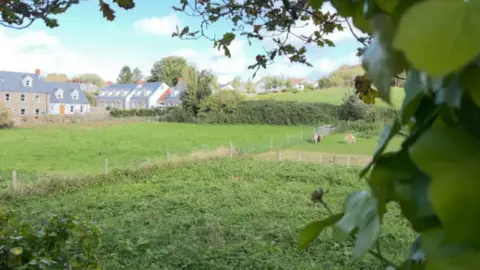
The States of Guernsey's home affairs committee said the British air-dropped tail-fuze armour piercing bombs were buried in a field in the Route Isabelle and Le Foulon area, and were confirmed to be there by a survey carried out last year.
Officials said the ordnance would remain "safely buried", following extensive analysis by specialists from the Ministry of Defence (MoD), the Army and NATO.
Expert reports show the bombs were highly unlikely to be armed, posed no threat to life and were most safely left undisturbed, the States added.
"Disturbing them would create far greater risk and disruption than leaving them in place," it said.
According to MoD reports, it was unlikely the bombs were armed before they were dropped. The fact none of the four detonated also reinforces this conclusion, it added.
It also said the bombs use a percussion firing mechanism and, as a result, "disturbance of these bombs should not cause them to detonate, nor would degradation over time".
The States said an analysis of historical records show the bombs were dropped from a British Short Stirling Bomber after an aborted raid on a German naval vessel near the coast of France.
'Careful consideration'
It is believed they were dropped by the crew to empty the aircraft after the raid was called off.
President of the committee, deputy Marc Leadbeater, said public safety had been a priority.
"We want to reassure the community that this decision has been taken following careful consideration," he said.
"The expert analysis shows these devices are highly unlikely to be armed and leaving them undisturbed at depth is the option that presents the least risk to the community."
Kevin Murphy, Channel Islands emergency planning officer, said assessments showed the ordnance posed "no threat to life".
He added: "And, only a very small chance of any structural damage if they do detonate, and the chances of that happening are extremely small."
The MoD said it had provided support and advice to the States and helped it to make "informed decisions and ensure public safety".
Follow BBC Guernsey on X and Facebook and Instagram. Send your story ideas to channel.islands@bbc.co.uk.
