Security passes, buddies, and who gets the best office - what awaits the newbies at Holyrood?

 Getty Images
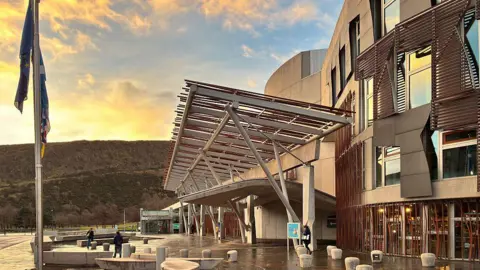
Scotland's parliament is preparing to welcome the largest number of new MSPs since the first election of 1999.
While veteran and would-be politicians spent six weeks campaigning across the country, staff at Holyrood were quietly preparing for their new intake.
They have been trained to act as "buddies", ready to guide the newbies through the early days of the seventh parliamentary session.
And after a weekend spent digesting Thursday's results, the 64-strong class of 2026 will arrive in Edinburgh for their first day on Monday.
Like any new job, there's a pile of paperwork to get through. The first task is getting their photos taken for security passes. Then they'll need to complete their register of interests.
This involves declaring any outside earnings such as the ownership of rental properties or membership of professional bodies or trade unions.
This is all designed to ensure transparency and prevent any conflict of interests.
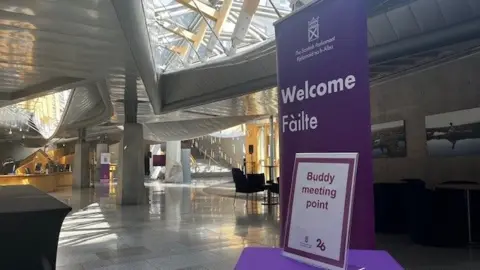
They'll be issued with logins for computers, and briefed about online safety.
They'll have to learn how to submit questions and table motions for debate, as well as how the voting app works during parliamentary proceedings.
They'll be provided with information on pensions and what expenses they're entitled to claim, and given guidance on how to employ staff and set up their constituency offices.
This induction had to be carried out in socially distanced small groups because of Covid regulations after the last election in 2021, and there's a lingering feeling at Holyrood that cross-party relationships suffered as a result.
 Getty Images
In this session, it's hoped that friendships will be forged during the excitement of the new term, and that this will help unite what is a disparate group of politicians from six parties, creating bonds that allow more co-operation and less confrontation as Holyrood gets down to business.
Offices will be allocated on a temporary basis in the initial stages, before permanent bases are agreed with the party's business managers.
Generally, the largest party chooses to use the suite of offices on the top floor of the MSPs' building, which affords the best view over the campus.
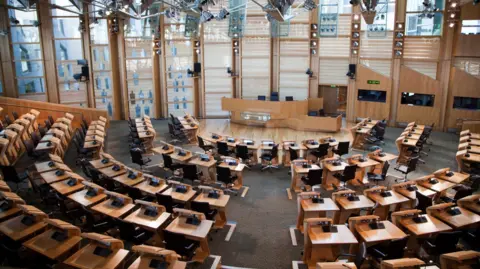
Seating arrangements in the chamber will also have to be negotiated.
Usually, the largest party sits in the centre of the horseshoe, with the largest opposition party seated to the right as you look at it from the presiding officer's dais, and the second largest opposition party seated to the left.
That will be made trickier with the first ever tie for second place. Labour and Reform will be competing for the second-best seats in the chamber.
The other - smaller - parties slot in where there's space.
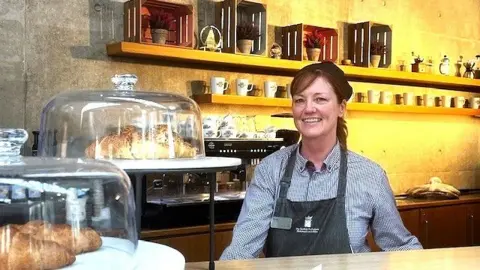
During their first week in the new job MSPs will hear opening addresses from the outgoing presiding officer and the parliament's chief executive, David McGill.
They'll attend welcome receptions and the traditional "Kirking of Parliament", a church service at St Giles Cathedral to mark the start of the new session.
MSPs will be formally sworn in on Thursday and their first task will be to elect a new presiding officer.
That in itself will be a challenge, given so many of the 129 will not know the candidates who are standing for election.
The ballot is a secret one, using traditional pen and paper, rather than electronic voting. That way the winner can't be sure who didn't support them.
The first sitting week of the new parliament will also see the formation of the business bureau.
This consists of the presiding officer and a representative of each party, with five or more MSPs, and they will meet throughout the session to schedule the timetabling of debates.
The first key date they have to agree on is when the election of the first minister takes place. That's pencilled in for the following week, on Tuesday 19 May.
After that, the business of running the country can truly get underway.
