Lockerbie bombing intended 'to inflict pain and horror', US court told

 Reuters
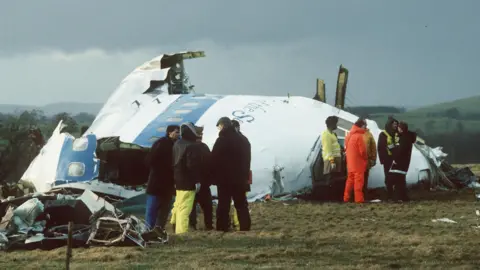
The bombing of an American airliner over Lockerbie 37 years ago was intended to inflict "pain and horror," a judge has been told.
The US government made the claim as it argued that relatives of the victims should be allowed to give evidence during the trial of a Libyan suspect.
Prosecutors believe their testimony will help the jury understand the impact of the attack, which killed 270 people on December 21, 1988.
They made the request during the latest hearing on the long-delayed case at the District Court for the District of Columbia in Washington DC.
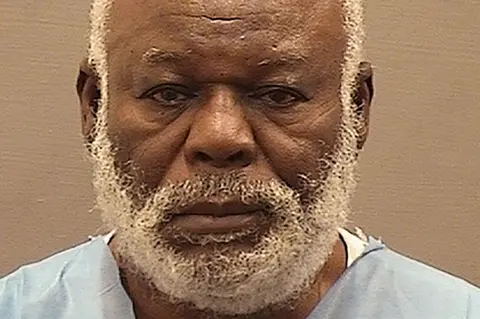
The man facing trial, Abu Agila Mohammad Masud Kheir Al-Marimi, was handed over to FBI agents in Libya in 2022 and has been in US custody for nearly four years.
He has denied building and priming the bomb which brought down the plane.
 Reuters
Assistant US attorney Brittany Keil told the court: "The purpose of the plan was to inflict pain and horror that would be reported around the world."
Judge Dabney Friedrich has not ruled on whether relatives of victims should be called as witnesses, but expressed concern that it could cause a high risk of prejudice against Al-Marimi.
Of the 259 passengers and crew who died on the plane, 190 were American, making it the worst terror attack on the US until 9/11.
Another 11 people were killed in Lockerbie when wreckage from the plane destroyed their homes.
After two postponements, Al-Marimi was due to stand trial at the end of last month but the case was called off at the last minute after new evidence came to light.
Judge Friedrich agreed to give the defence more time to consider the fresh information, which has not been made public.
The judge is considering 11 January or 19 January as new dates for the start of jury selection, and made it clear that she would not tolerate further delays.
Now in his mid-70s, Al-Marimi was in court for the hearing and listened impassively to proceedings through an interpreter.
Defence lawyer Laura Koenig said they will need to question new witnesses and present additional expert testimony in response to the new evidence.
 Getty Images
The BBC understands that it is alleged to strengthen the prosecution case against Al-Marimi.
Prosecutors allege Al-Marimi confessed to his role in the attack when he was questioned in a Libyan detention facility in 2012.
He is said to have been involved as part of a plot carried out by the Libyan intelligence service.
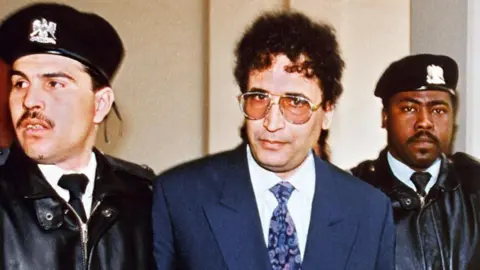
His alleged accomplices were Abdelbaset Al-Megrahi and Al Amin Khalifah Fhimah, two Libyan men who stood trial over the bombing 25 years ago.
A Scottish court found Megrahi guilty of mass murder and jailed him for life.
He was freed on compassionate grounds in 2009 after being diagnosed with terminal cancer, and died in Tripoli in 2012.
Fhimah was cleared and returned home to a hero's welcome. He died last month, just days after Al-Marimi's trial was postponed.
