County farmers on alert over bluetongue

 BBC
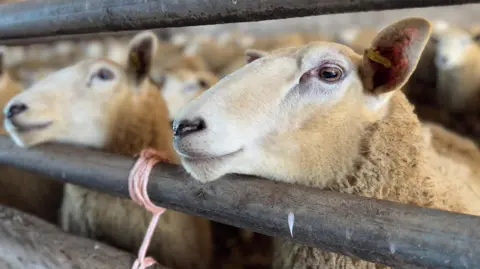
BBCA farmer has warned the outbreak of the potentially-deadly bluetongue virus (BTV) "will get worse before it gets better".
The insect-borne viral disease affects sheep and cattle among other animals and has spread throughout the south west of England, with cases now being reported in Dorset.
Trevor Cliggs said he has had three cases in sheep on his farm in north-west Dorset. He said the outbreak, along with financial pressures and the hot, dry summer had created a "perfect storm" for farmers.
The Department for Environment, Food and Rural Affairs said livestock keepers should be on "high alert" and talk to their vet about vaccination options.
Clinical signs of infected animals include fever, lameness, facial swelling, nasal discharge and mouth ulcers.
It does not affect humans or food safety.
Defra figures showed there have been 373 cases of bluetongue serotype 3 (BTV-3) in the UK this year.
The south west region has been particularly badly affected, with 202 cases in Devon and 45 in Somerset.
Cliggs, who has farmed near the Dorset-Somerset border for 23 years, said he had vaccinated his flock but cases developed during the 10-day period during which immunity gradually builds up.
He said farmers were facing delays of up to three weeks for vaccination supplies which he said was a "big, big issue".
With vaccine costing £2.50 a shot, Cliggs said he had spent £4,000 on protecting his animals.
"There have been a lot of failings in this - both among farmers and the powers that be - and we do feel we've been cut adrift," he said.
With the hot, dry conditions conducive for the spread of the midges which carry the virus, he said the outbreak was "not at its peak" and risks of the disease spreading could last until the end of the year.
"A disease outbreak is the last thing we need. With the very dry weather, low product prices, high input costs, it's the perfect storm and people are struggling mentally," he added.
'Disease control'
Ian Harvey, from the NFU, said the outbreak was causing "very real challenges and uncertainty" for its members and urged farmers to "act now" in vaccinating livestock.
"Protecting animal health and maintaining confidence across the dairy supply chain must remain a priority as we respond to this growing threat," he said.
North Dorset MP Simon Hoare said in a Facebook post there were "growing concerns" over issues of vaccine access which he was raising with Defra.
"It's really important that the authorities are informed so the fullest national picture is understood.
"I would urge all livestock farmers to be vigilant and check animals for signs of infection," he added.
In a statement, Defra said: "Defra and the Veterinary Medicines Directorate have been working closely with vaccine manufacturers to put in place processes for bringing in additional supplies to Great Britain.
"Farmers and vets are urged to place orders for vaccine to ensure access to supplies."
Farming Minister Stephen Morgan said: "We know how concerning bluetongue is for farmers with this outbreak coming at a particularly tough time with so many of our farmers also battling drought conditions.
"I am closely monitoring the situation and the government will continue to work with vets, industry and devolved administrations to monitor the situation closely and respond as necessary."
What is bluetongue?
- It can cause ulcers or sores around an animal's mouth and face, difficulties swallowing and breathing, fever and lameness, foetal deformities and stillbirths
- The virus is spread by infected midges
- The current strain of BTV was first detected in England in November 2023
- Hot weather creates favourable conditions for the virus to spread
- While potentially fatal for livestock, the virus does not affect humans
- It does not affect food safety. Meat and milk from infected animals are safe to eat and drink
