Wildlife suffering in heatwaves, say experts

 Lauren Tucker/500px (via Getty)
Wildlife is bearing the brunt of this summer's heatwaves, experts have warned.
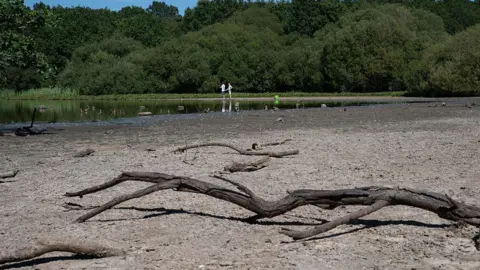
Water voles are being "severely impacted" as chalk streams struggle with extremely low water levels, while historic dew ponds have entirely dried out, according to Yorkshire Wildlife Trust (YWT).
Meanwhile, in North Yorkshire, ponds along the entire River Esk catchment have been "unprecedentedly low or dried out", while woodlands are experiencing drought-related limb drop and early leaf shedding.
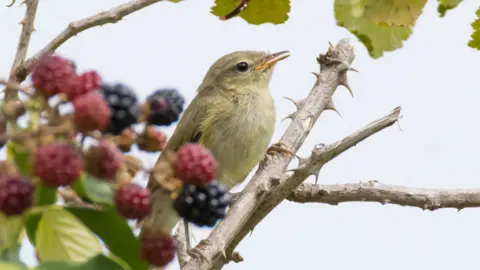
Woodland Trust said it had found ripened blackberries in June - more than a month earlier than usual, meaning less fruit will be available in autumn for animals to eat.
 Anadolu via Getty Images
This summer is on course to be the UK's hottest since records began, states the Met Office, with only average conditions needed for the remainder of August to surpass the record set just last year.
As the dry conditions harden the soil, animals such as earthworms, blackbirds, hedgehogs and moles are struggling to break through it to feed, YWT said.
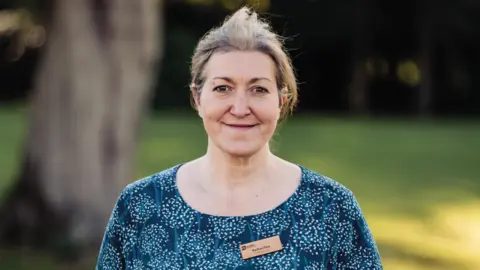
Rachael Bice, YWT's chief executive, said: "Increasingly frequent, disruptive and damaging heatwaves have severely impacted both the UK and the continent, impacting the lives of millions of people.
"However, they are also having a profound impact on all our wildlife, which is struggling to find places to escape the heat and sources of water and food. Our wildlife is having to travel further to look for water, encountering unfamiliar hazards, or struggling to find enough food to survive."
Bice warned the hot weather would have an impact "far into the winter months".
She said: "Fruiting trees and shrubs such as crab apple and blackberry are already ripe, or shedding poorly formed fruit, which will impact winter migrant birds that arrive looking for these important food stores."
 Yorkshire Wildlife Trust
Even if rain arrives soon, there will be lasting damage, according to Bice.
"Severe drought impact on trees lasts for years, and species like butterflies might struggle to find enough plant matter to support future generations of caterpillars," she said.
Excessive heat and drying wetlands on the continent have also driven some species further north.
Bolton-on-Swale Nature Reserve in Richmond, North Yorkshire, is currently hosting one of the UK's largest flocks of black-crowned night herons - a rare visitor to Yorkshire.
The Norfolk hawker dragonfly has been seen at Potteric Carr Nature Reserve, in South Yorkshire, for the first time.
Bice said YWT's reserves - and wildlife - are "barely getting a break", and she urged landowners to come together to create whole wildlife areas and "wild corridors".
 Chris Cull / YWT
Bice said "careful and dedicated" management can help mitigate the impact of hot weather.
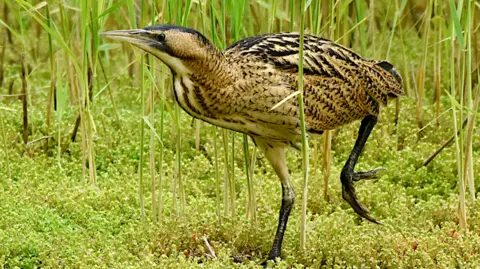
At Potteric Carr Nature Reserve near Doncaster, staff have recorded up to six juvenile bitterns from three nests – the best breeding success ever recorded on-site, and the goal YWT set when it started restoring the reserve for nature in the 1960s.
The site has remained damp throughout the heatwave, providing a vital space for wildlife.
Bice added: "We've been managing wetland nature reserves like Potteric Carr, Askham Bog, and North Cave Wetlands for decades, from planting new reedbeds to clearing out new scrapes and pools, and in some cases manually adjusting water levels to make sure they provide the best-possible habitat for wildlife."
RSPB conservation officer Mike Pilsworth said: "Birds are really suffering."
He said putting out a bowl of water could make all the difference.
However, he urged people to change the water daily to avoid diseases spreading.
Listen to highlights fromHull and East Yorkshire on BBC Sounds, watch the latest episode of Look North.
Download the BBC News app from the App Storefor iPhone and iPad orGoogle Play for Android devices
