Former Methodist Central Hall set for new chapter

 Civis
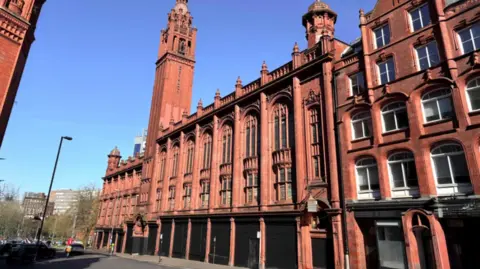
CivisOne of Birmingham most recognisable historical buildings is set for a new chapter after plans were unveiled to restore Central Hall into a major civic and cultural venue.
The Grade II listed building, which has stood at the heart of Birmingham's Civic Quarter since 1904, is to be revived by Civis after more than two decades largely standing empty.
Originally built as the Methodist Central Hall, the Edwardian building was designed as a place for public assembly, worship and civic life.
Over the course of the 20th Century it hosted countless meetings, performances and community events before becoming home to the Que Club, one of Birmingham's best-known nightlife venues.
The club hosted gigs by David Bowie and Blur, as well as acid house rave nights, before it closed in 2017.
Civis has said it will restore the building as a public institution combining heritage, culture, education, hospitality and creative enterprise under one roof.
Rather than operating solely as a commercial venue, the organisation said income generated through events, hospitality, studios and venue hire would be reinvested into public programming, artist development, exhibitions, performances, education and community access.
Plans include spaces for live performance, exhibitions, civic discussion and cultural enterprise, returning the building to a role as a place for public gathering more than 120 years after it first opened.
Civis said the project would make Central Hall the first English example of an "interdependent" civic institution, where commercial activity, cultural production and public participation are designed to support one another, they said.
Corporation Street has long been one of Birmingham's principal thoroughfares since its creation during the city's Victorian redevelopment, linking many of the city's civic, commercial and cultural landmarks.
If completed as planned, the restoration would return one of Birmingham's most significant historic assembly halls to public use for the first time in more than two decades.
Follow BBC Birmingham on BBC Sounds, Facebook, X and Instagram.
