'I can't ride a bike, cook or play with my grandkids'

 BBC
BBCPeople suffering from myalgic encephalomyelitis (ME), also known as chronic fatigue syndrome (CFS), say new government funding for research into the illness is "a drop in the ocean" compared with how much is needed.
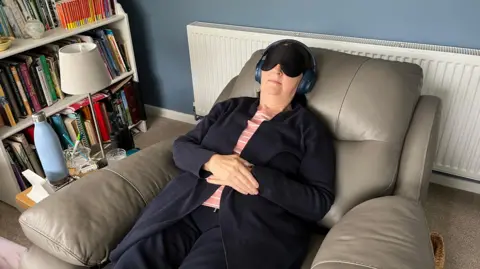
Helen Stout, 67, from Cam in Gloucestershire, said she had not been able to "ride a bike, cook a meal or jump in puddles with the grandchildren" since becoming unwell in 2020.
"ME causes this country a huge disease burden. This funding is a drop in the ocean," she said.
The government is spending £4.75m on the research, saying it will be the world's largest study of its kind, offering new hope to about 390,000 people living with the condition in the UK.
Stout was part of the government's earlier investment in the DecodeME study, which created the world's largest ME/CFS research group.
"Already it's shown several genetic markers for ME, and it's also corroborated the symptoms we suffer from," Stout explained.
The next phase of the research could help uncover the biological roots of ME/CFS and long Covid according to Action for ME, one of the organisations receiving the government funding.
Sonya Chowdhury, chief executive of Action for ME, said: "There is more to do, and this must be only a start to the significant investment in ME/CFS research that is so desperately needed to bring funding to the levels seen in other illness areas.
"ME/CFS research has been neglected for decades; research in ME/CFS and overlapping illnesses like long Covid must become a priority."
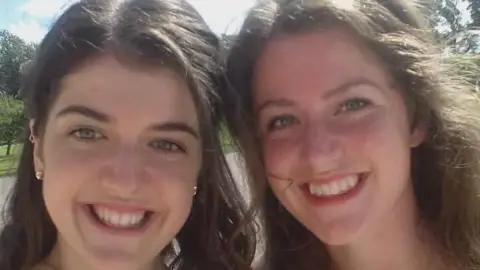
Rosie Barrett, 32, from Budleigh Salterton, Devon, has had to become a full-time carer for her sister, Alice, 29, who has been bed-bound due to ME for five years.
"Even when you look at how much the government has invested recently, it's nothing compared to other illnesses," she said.
"If you compare it to Parkinson's or other chronic illnesses, the percentage of people who have ME is higher than any of those other illnesses, but the amount that is invested [in those others] is 20 times more."
The Department of Health has been approached for comment.
Follow BBC Gloucestershire on Facebook, X and Instagram. Send your story ideas to us on email or via WhatsApp on 0800 313 4630.
