Muck spreading ban to protect rivers doesn't work, new minister says

 BBC
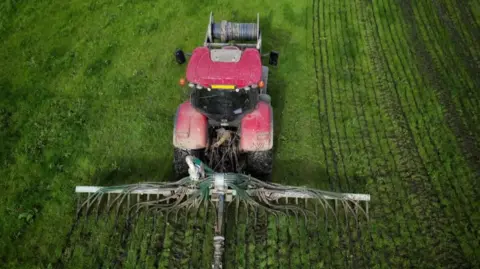
BBCA ban on muck-spreading over winter months to protect rivers doesn't work and will be changed, the Welsh government's new environment minister has said.
The regulations - brought in by the previous Labour government - were championed by river campaigners but angered many farmers.
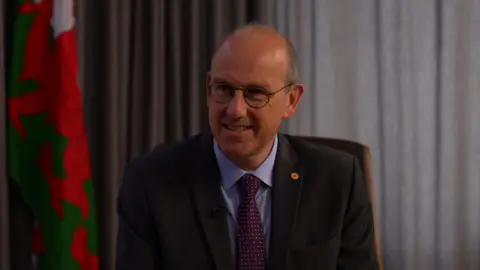
Llyr Gruffydd MS, newly appointed Cabinet Minister for Rural Resilience and Sustainability, said technology could be used to help manage slurry spreading rather than "farming by calendar".
He said he did not buy in to "perceived tension" between Plaid Cymru's policies on farming and the environment, noting that the new government would set a target to reach net zero by 2040, ten years ahead of the rest of the UK.
The ban on slurry-spreading from mid-October to January was part of a wider suite of restrictions that have been the subject of debate in Wales for the best part of a decade.
Farmers argued the new rules around storing manures were too heavy-handed and costly, and they should be able to manage their spreading based on weather conditions.
River groups warned the country's waterways were in "chaos" and farmers had had years to prepare for the changes.
What is muck spreading?
Farm slurry is a mixture of water and cow manure, which is spread on the land as a natural fertiliser
If it gets into rivers it can be very damaging - causing algal blooms which block sunlight and deplete the water of oxygen, affecting wildlife.
Stricter rules on spreading and storing manures have been phased in since 2021.
Farms must have five months' worth of slurry storage capacity and most are no longer allowed to spread their animals' manure for three months from mid October each year.
How much manure can be spread per hectare is limited too.
'Do what we can'
Gruffydd, previously Plaid Cymru's rural affairs spokesperson in opposition, said it was the clear the ban was not working.
"If you want to know whether it's appropriate weather for spreading slurry you don't look at the calendar, you look out of the window, and we need to be leaning on technology and other answers when it comes to this.
"It will change absolutely - whether we achieve it by this coming winter is another matter but we'll do what we can," he said.
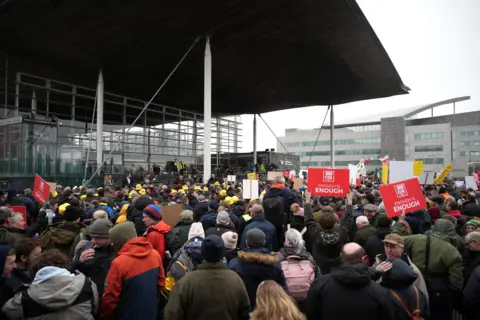
It has been a tempestuous few years for the farming industry, which staged the largest protest ever seen outside the Senedd in 2024, over issues which included the slurry restrictions as well as changes to subsidies.
Gruffydd said he hoped the sector would feel "they have someone in the role now that actually understands farming and is determined to get to grips with many of those challenges".
While the farm support budget would be ring-fenced, increasing it "might be challenging... in this financial climate", he acknowledged.
"But certainly it won't diminish and we'll also give that long-term multi-year funding commitment that farmers crave."
Asked whether Wales could see badger culling in future in response to bovine TB he said he agreed with Wales' TB Programme Board that the disease should be addressed "in wildlife" as well as livestock.
 Getty
GettyEnvironment groups have expressed disappointment that climate and nature are not explicitly mentioned in the new minister's title.
River Action wrote on X: "Wales is facing a climate and nature emergency - so why has the new Welsh government cabinet dropped a dedicated minister for climate change and not prioritised nature?"
Meanwhile, the Future Generations Commissioner for Wales told BBC Radio Cymru it was "disappointing" not to see the environment mentioned in the first minister's core missions outlined in the Senedd this week.
Gruffydd said he did not buy in to "perceived tension" between Plaid Cymru's green agenda and its stance on farming and rural issues.
"I think getting the climate and nature piece right is good for farming and good for everybody else."
Plaid Cymru had pledged in its first 100 days to start work on an updated Climate and Nature Action plan, "focused on charting a practical pathway to net zero by 2040 and substantive nature recovery by 2050".
Asked whether a net zero target that was 10 years ahead of the rest of the UK was achievable, Gruffydd said "we honestly believe that we need that target to focus our minds and to send that signal".
"We are serious about tackling this but also societally we have to tackle this because if we don't the consequences will be very, very serious."
