'I survived by floating, now I hope to save others'

 BBC
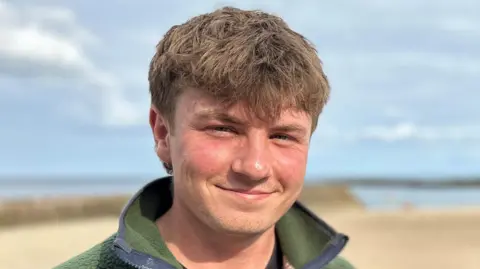
BBCA surfer who used a floating technique to survive after he and his brother got caught in a rip current is fronting a national safety campaign in the hope of saving lives.
Euan Gray, 22, got into trouble at Tynemouth, North Tyneside, alongside his brother Andrew, 19, but both used the RNLI's Float to Live manoeuvre to survive while a lifeboat was sent to their rescue.
The charity praised the Gateshead pair for their actions and hoped others would follow their example.
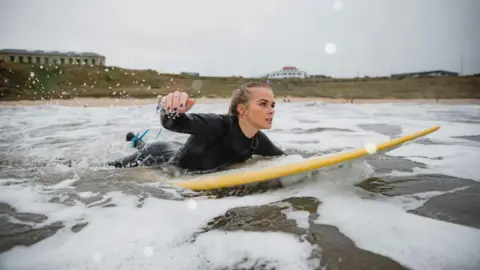
To float, people should tilt their head backwards until their ears are submerged and, crucially, not panic.
The brothers got caught in a notorious rip current, a powerful channel of water flowing out to sea, at the south end of Longsands beach in May 2025.
Both resisted the urge to panic and swim against the current, instead opting to float and await rescue as was taught to them by their father years before at their local swimming pool.
 Geoff Cowan
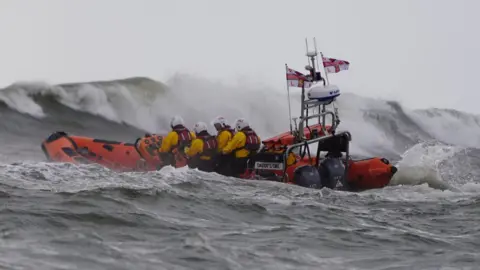
While his brother was able to clamber out on to nearby rocks, Euan had to be saved by the Cullercoats RNLI crew, who had been alerted by members of the public.
To mark the anniversary and raise funds to thank their rescuers, the brothers are running a half marathon every day in May.
Euan is also the face of the RNLI's annual Float To Live water safety campaign.
"I'm very grateful [to the RNLI] and can't find the words to thank them enough," he said.
"I just want to help in any way possible and spread awareness about floating to live.
"It saved my life, I hope it can save other people."
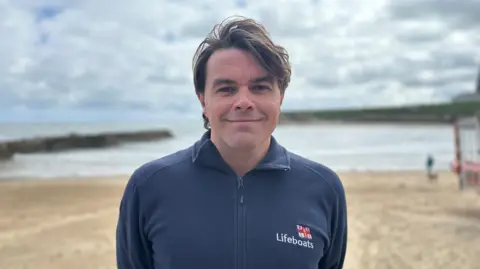
The RNLI's regional water safety lead Nick Ayers praised the brothers for floating.
"In those situations, quite naturally you will panic," he said. "You are in a stressful situation.
"But it's all about trying to fight that instinct to thrash your arms and swim hard against the water."
He said the RNLI had logged about 50 cases where people had "used the float position to save themselves from drowning" over the last 11 years.
 Getty Images
With rip currents, which are "normally quite a narrow channel of water moving out to sea", Ayers said "competent" swimmers should swim parallel to the shore to get out of the flow.
"The biggest thing to remember is to get into that float position," Ayers said.
To float, people should:
- Tilt their head back with their ears submerged
- Relax and try to breathe normally
- Move their hands and feet to help them stay afloat
- Not panic if their legs sink, everyone floats differently
- Practise floating in a swimming pool
 Helen Cowan
Anyone spotting someone in difficulty in the water is urged to:
- Phone 999 to get help
- Tell the person to stay calm and float on their back
- Throw rescue equipment to help them float until emergency services arrive
In 2024, there were 193 accidental drowning fatalities, 84% of which were male, the RNLI said.
Men aged between 20 and 29 were the highest group for accidental drowning fatalities.
