Looking back on city's 'year of music'

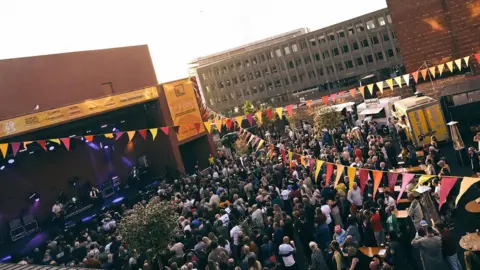 Thomas Jackson
Demand for gigs is growing, but more support is needed for grassroots venues, city's music chiefs have said as its first ever Year of Music draws to a close.
The event started last June, a few months after Sunderland joined the international Music Cities Network.
Kenny Sanger, who runs The Bunker, which provides recording studios and training, said the year of music had shone a light at grassroots level, but called for more support for smaller venues.
Sunderland Music City CEO Michelle Daurat said events throughout the year had tried to expose people to different music genres and development sessions had also been offered to aspiring musicians.
"It's been a really varied, exciting, vibrant year and the people of Sunderland have really embraced it and I think they feel very proud of their city and what we're able to achieve," she added.
The Year of Music has featured events, gigs and workshops.
It also saw 174 pianists come together in December in a bid to break the world record for the largest number of people playing a piano in relay - which Daurat said had been one of her highlights.
 Supplied
The initiative culminated with Sunderland hosting the Music Cities Network's summer summit this month, welcoming representatives from fellow members such as Berlin, Reykjavik and Sydney.
The Year of Music will come to a close later with the Unity in the Community event at Sunderland Minster.
Sanger said celebration events across the past 12 months had brought people together and different age groups were starting to go to gigs more while younger people were forming bands.
"It's generally raised the profile of the city and the profile of music in the city, which is filtering down," he said.
"It's always going to take a while for attendance at local gigs to go up, but I do think there's been an improvement in the audience numbers."
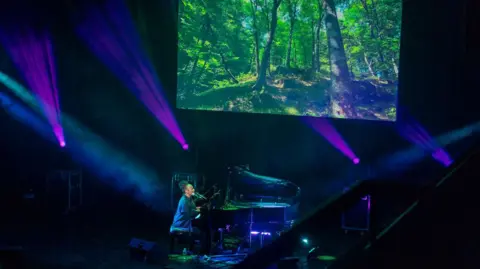 The Fire Station
However, he called for more support for smaller venues - for example through a levy collected from bigger venues filtering down to grassroots infrastructure.
"It would be nice to see that happening in Sunderland and seeing people who might go to a big headline gig or some of the thousands who go to Radio 1 Big Weekend or to Stadium of Light gigs starting to give some local bands and local gigs a chance and going to see some of those," he added.
"It's about putting something back into the city, into the talent and supporting these businesses that if they weren't able to survive, it would have a massive impact on the local economy and the local societies in general."
Music Cities Network Chair Lex Davidson, from Sydney, said while there could always be more venues and resourcing, it was good to see how music was "threaded through the identity" of Sunderland.
"That is a very strong starting point for any city," he said.
"Sunderland has really inspired us actually.
"It's been so incredible to see the strength of community support and the way that people are really backing this idea that you can build a city around music and that music can be that kind of invisible thread that holds communities together and cities together, especially through times of change."
