
The Interface
Teens banned from social media - what next?

18 June 2026
Available for over a year
This week on The Interface: the UK’s under-16s social media ban - is America next?
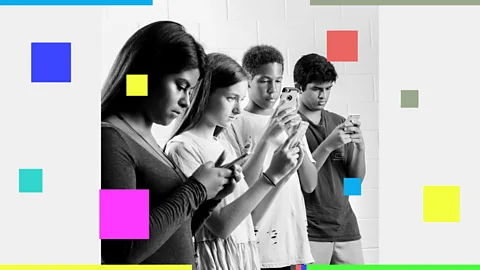
The UK is preparing to go further than almost any other country on children and social media: under-16s will be blocked from platforms including TikTok, Instagram, Snapchat, YouTube, Facebook and X, while messaging apps like WhatsApp and Signal are expected to be excluded. Ministers are also considering overnight curfews and limits on infinite scroll for under-18s, with implementation targeted for spring 2027.
Karen, Tom and Nicky ask the obvious question: will it work? Australia’s early results suggest enforcement is hard: the Molly Rose Foundation found 61% of 12–15-year-olds who had used restricted platforms still had access to at least one account, and 70% of those still using banned sites said it was easy to get around the rules. That raises a bigger issue too: if this all depends on age verification, does everyone end up having to prove their age just to use the internet? And with 64% of US voters already saying they support a ban for under-16s, is Britain about to start a trend?
Also this week: why are AI companies getting involved in fusion energy?
Fusion has been hyped for decades as near-limitless clean power - but it remains hugely difficult, expensive and years away from broad commercial use. So why are AI firms suddenly interested? Because data centres need vast amounts of electricity, and fast. Sam Altman-backed Helion has just raised another $465 million and is trying to build its first plant for Microsoft by 2028, while other fusion firms are pitching themselves as the answer to AI’s energy appetite. Karen and Nicky ask whether fusion is a realistic answer to the data-centre crunch — or just the latest shiny idea being pulled into the AI boom.
And finally: could Siri’s new AI update change how we use our phones forever?
At WWDC 2026, Apple unveiled a rebuilt Siri AI with deeper access to your messages, emails, photos and apps, plus broader “world knowledge” and more natural conversations. Apple is pitching it as a much more capable assistant — one that could make AI feel normal for people who’ve never really used it before.
But not everyone gets the same Siri. Some of the most advanced on-device features are limited to Apple’s newest hardware, including iPhone 17 Pro, and users have to join a waitlist even in beta. Tom asks the big question: if Siri finally works the way Apple has long promised, could that genuinely change how we use our phones — or is this still another catch-up move in the AI race?
The Interface is your weekly guide to the tech rewiring your week and your world. Hosted by journalists Karen Hao, Thomas Germain and Nicky Woolf, each episode unpacks, week by week, how technology is shaping all our futures. No guests. No jargon. Just three sharp voices debating the stories that matter — whether they shook a government, broke the internet, or quietly tipped the balance of power.
New episodes drop every Thursday on BBC Sounds in the UK. Outside the UK, find us on BBC.com or wherever you get your podcasts, or watch the video version on YouTube (search “The Interface podcast”).
To get in touch with the team: theinterface@bbc.com
The Interface is a BBC Studios production.
Producer: Natalia Rodriguez Ford
Executive Editor: Philip Sellars
