This collection of short videos examines a range of bodily systems and how they function, looking at cellular, heritable, and biochemical processes that enable the body to function.
The videos use animation, clear explanations, and appropriate use of keywords that model how specific bodily functions or biological processes occur. They draw on key questions where the video can be paused for classroom questioning to occur.
The videos are best suited for use with students who are studying biology between the ages of 14-16. They may be used to help students to visualise parts of a typical biology course that are difficult to explain or model during the lesson.
In addition, the collection draws on key topics that feature in the 14-16 physics and chemistry courses and could serve as a good prompt to help stretch students to make connections between the different subjects. The videos can either be watched as a synoptic reminder for students at the end of particular parts of biology course, or broken down into chunks to support key moments of instruction and visualisation during lesson time.
For each video, before, during and after activities have been provided to either prompt discussion in the classroom or provide students with structured activities to think about.
Suitable for teaching biology at Key Stage 4 and GCSE in England and Northern Ireland, Progression Step 5 and GCSE in Wales and at National 4 and 5 in Scotland.
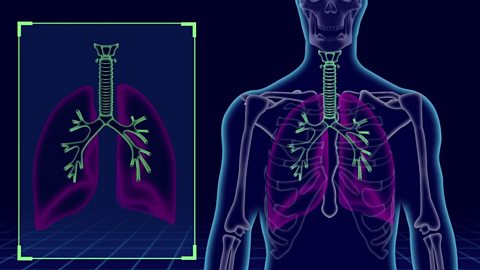
Breathing and gas exchange. video
A description of the process of ventilation and gas exchange and the bodily adaptations that support these processes.
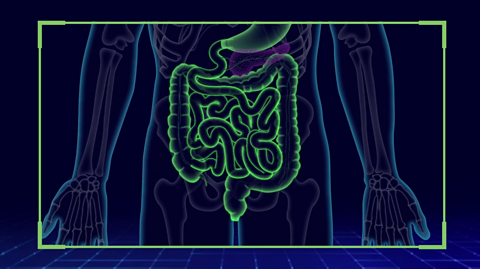
Food and digestion. video
Exploration of the concepts of mechanical digestion, chemical digestion and the adaptations of the digestive system that speed up the process of molecule break down and absorption into the bloodstream in the small intestines.
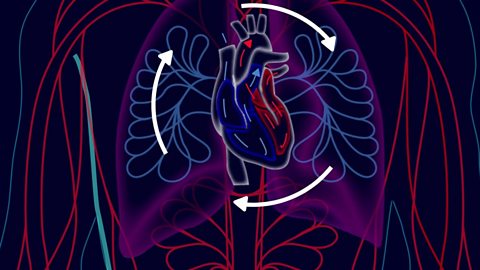
Heart, blood and circulation. video
A detailed look at how each component of the cardiovascular system functions to support the movement of nutrients around the body.
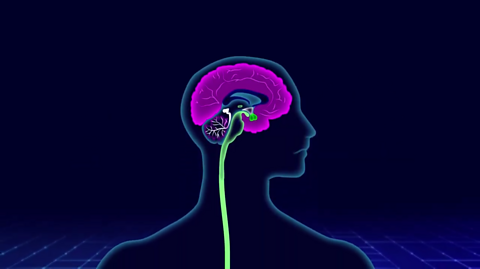
Nervous coordination. video
A description of the role of the nervous system, how it functions, voluntary and involuntary reflexes and the function of specific organs in the nervous system, such as the brain and the eye.
Hormonal coordination and homeostasis. video
A detailed look at the role of hormones in maintaining a constant internal environment in the body by regulating body temperature, metabolism and blood glucose levels.
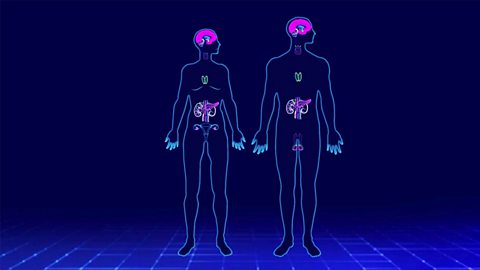
Excretion. video
A detailed look at the function of the kidneys and the control of water levels in the blood.
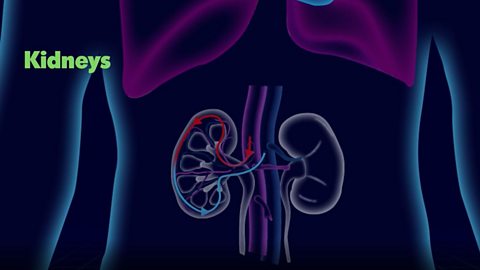
Reproduction. video
This animation focuses on sexual reproduction, providing details on the specialised cells, organs and tissues involved in the fertilisation and maturation of an egg.
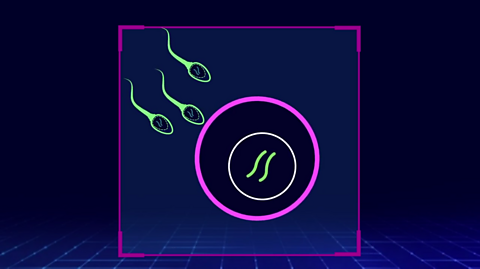
Inheritance. video
This animation covers a range of topics including developmental genetics and Mendelian inheritance.
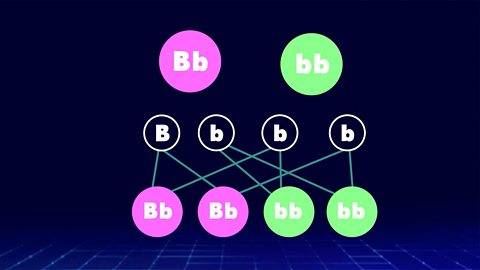
Cell division. video
This animation focuses on the different types of cell division, sexual and asexual reproduction.
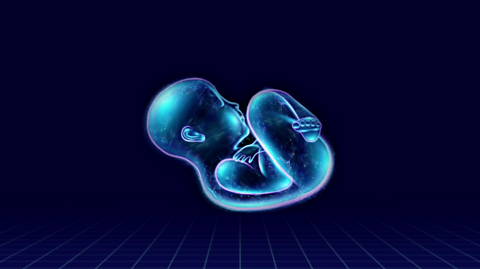
Immunity and disease. video
This animation explores how viruses and bacteria cause certain communicable diseases to occur, how our bodies protect themselves and how we use modern medicines to treat them.
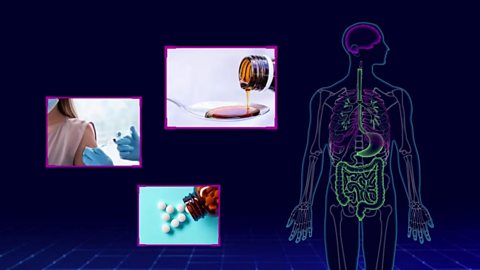
Where next?
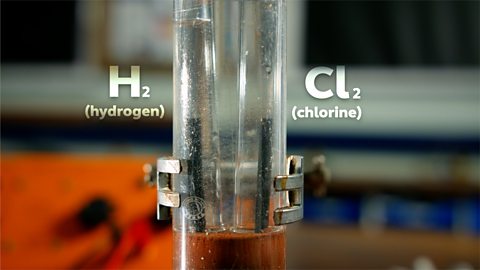
GCSE required practicals - Biology, Physics and Chemistry. collection
Each film focuses on a GCSE Required Practical included in AQA, Edexcel and OCR specifications.
Bitesize: Secondary. collection
Learn and revise with BBC Bitesize for secondary students.