'I first realise say I no get fingerprints wen I bin go register for Jamb' - why some pipo no dey get fingerprints

- Author, Todah Opeyemi
- Role, Journalist
- Reporting from, Lagos, Nigeria
- Published
- Read am in 6 mins
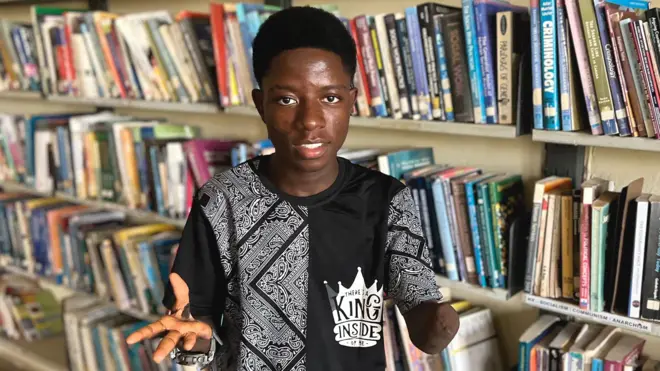
Hauwa Jidda Suleiman first discova say she no get fingerprint wen she go register for Joint Admissions and Matriculation Board (Jamb) exam.
Di fingerprint machine no fit capture her prints, and wetin suppose be normal registration turn to somtin wey make her spend di whole day for di centre wit her papa.
"I first realise say I no get fingerprints wen I bin go register for Jamb and di fingerprints no work," she tell BBC News Pidgin.
Hauwa get adermatoglyphia, wey be rare condition wey be say dem go born pesin witout di ridges for di fingers, toes, palms and soles wey form fingerprints.
For most pipo, fingerprints na somtin wey dem dey hardly tink about. But for Hauwa, seeing fingerprint or thumbprinting machine fit bring anxiety becos she already know say e no go work.
"Most pipo no dey tink about fingerprints. For dem, e just dey normal. But for me, anytime I see fingerprint or thumbprinting machine, I go dey fear. Anxiety go catch me becos I know say e no work."
'Dem go tink say na you no wan make dem capture you'
One of di biggest challenges for Hauwa na say many officials no know say dem fit born pesin witout fingerprint.
"How officials dey normally react wen dem see say dem no fit capture your fingerprints - dem go just dey vex," she tok.
"E go be like say na you no want make dem capture you. But no be dia fault.
"Dem actually neva see dis kain tin bifor and dem no understand am," Hauwa tok.
Becos dem no know wetin dey happun, Hauwa say officials sometimes separate her from oda pipo and make her wait.
"E dey always be like say dem dey seclude me. Dem go tell me make I go sidon for one place. I go dey wait for hours. Pipo for inside exam hall go dey write exam."
For one Jamb examination, she say she eventually no fit write di exam at all.
"E get one Jamb wia I no even write sef becos my fingerprints no work.
"I just sidon dia, dey try, so tey dem write exam finish" she tok.
Hauwa experience show how somtin wey many pipo take for granted fit become major barrier wen systems depend on fingerprints to confam pesin identity.
Wetin dey cause adermatoglyphia?
Adermatoglyphia na rare genetic condition wey dey affect di development of di ridges for pesin fingers, toes, palms and soles.
Dis ridges, wey dem dey call dermatoglyphs, dey develop bifor birth. Di first ridges begin to form around di third month of pregnancy and dem dey fully formed by about di sixth month. Once dem form, dem remain di same throughout di pesin life.
For pipo like Hauwa, di issue no be say fingerprints disappear later in life. Dem no form at all.
Researchers don link inherited adermatoglyphia to changes in SMARCAD1, gene wey appear to play important role in di formation of dis skin ridges.
Di condition dey veri rare. Medical researchers say only a few families wit adermatoglyphia don dey identified worldwide. One scientific study wey dem publish for 2011 say only four families wit congenital absence of fingerprints don dey described at di time.
Dis rarity fit help explain why many pipo, including officials, neva hear about am bifor.
But Hauwa discova say she no dey alone afta she share her experience online.
"From my own personal experience, I no tink say enough awareness dey about dis issue.
"As I post am, I see ova 1,000 pipo dey tell me say dem neva, ever hear about am before," she tok.
"Me sef bin believe say na only me get am. But as I post am, I kon see say almost 100 pipo dey tell me say dem get di same issue."
Hauwa say some pipo bin contact her to say dem dey experience di same problem. Her experience suggest say di number of pipo wey dey face di problem fit dey more dan many pipo realise.
Wen fingerprints become barrier
Hauwa experience dey come months afta BBC report about Ovey Friday, one Nigerian student wey im damaged fingers nearly stop am from getting university admission.
Friday lose one hand and suffer permanent damage to fingers for di oda hand afta dem torture am as pikin.
Wen e later try to complete Jamb biometric verification, di system no fit capture im fingerprints.
Afta intervention from im guardian and disability rights campaigners, officials eventually accept im toe print as alternative way to verify im identity.
"No bi evrione get pesin to push for dem. Some pipo go just stop trying," Friday tell BBC.
Friday and Hauwa circumstances different. E lose im fingerprints becos of injuries, while dem born Hauwa witout dem.
But dia experiences highlight di same problem: wen systems depend on fingerprints and no alternative dey available, pipo wey dem no fit capture dia fingerprints fit struggle to access education and oda essential services.
Di problem also fit be understood within di wider challenge of accessibility for pipo wit disabilities for Nigeria.
Nigeria National Commission for Persons with Disabilities estimate say di kontri get more dan 30 million pipo wit disabilities, using a 15% disability prevalence estimate. Di commission also say access to education and oda social services remain low for many pipo wit disabilities.
Hauwa experience no mean say evribodi wey get adermatoglyphia necessarily identify as pesin wit disability. But her story show one way pesin physical difference fit become barrier wen systems no account for different needs.
E get treatment?
For pipo wey dem born wit congenital adermatoglyphia, no treatment dey currently wey fit make di fingerprint ridges develop.
Becos di ridges dey develop bifor birth, Hauwa no fit get anoda fingerprint or make her own start to dey work.
But di absence of treatment no mean say pipo wit di condition gatz continue to face barriers.
One tin wey fit change na di systems demsefs.
Hauwa want make organisations wey dey use biometric identification, especially fingerprint and thumbprinting, provide oda ways for pipo like her to prove who dem be.
"Di tin wey I want na make all dis organisations wey need biometric for identification, especially thumbprinting, provide alternative for pipo like me."
For Hauwa, di discovery of oda pipo facing di same problem don also change how she dey see hersef.
She bin think say she dey alone. Now she know say oda pipo dey face di same challenge.
"Becos true, true, we plenty."