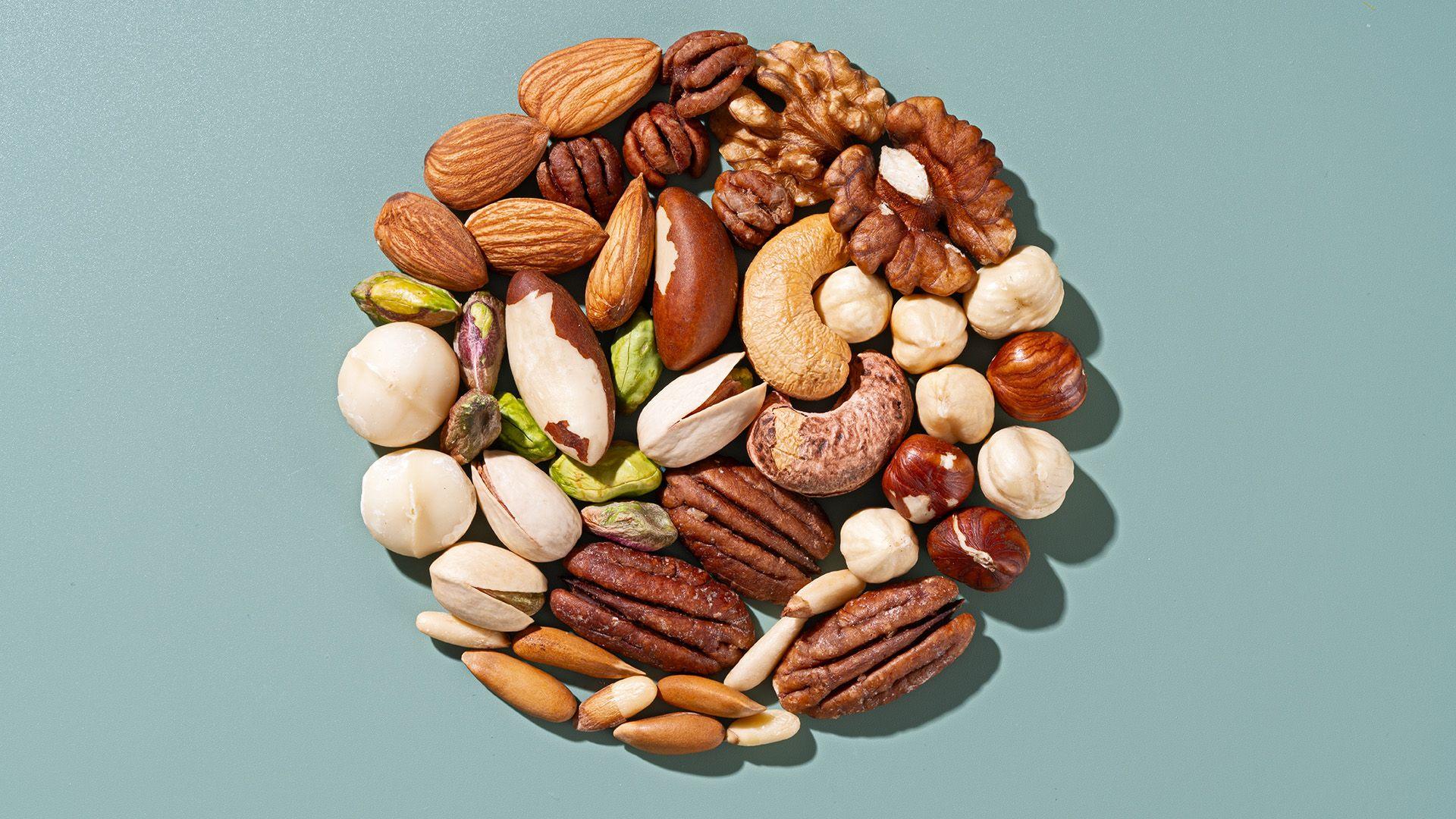
What dietitians say to eat during perimenopause – and what to avoid

At a glance
Diet can't prevent or cure menopause symptoms
Dietary changes may help manage symptoms such as hot flushes, sleep disruption and energy levels
Try cutting back on caffeine, spicy foods, alcohol and refined carbs if you're experiencing symptoms
Complex carbs (including wholegrains, beans and lentils), foods with isoflavins (found in tofu, tempeh and soya milk), omega-3 rich foods and healthy fats are linked to an improvement in symptoms
Eating well becomes more important for heart and bone health during and after menopause
- Published
It will affect half the global population at some point in their lives and has more than 34 recognised physical and psychological symptoms, external, lasting several years in some cases.
Perimenopause symptoms range from poor sleep, anxiety and low mood to headaches, recurrent urinary tract infections and heart palpitations. And there's a chance some of them could be alleviated (and exacerbated) by what we eat and drink.
Foods and drinks that may worsen symptoms
Dr Linia Patel, a registered dietitian and author of Food for Menopause explains both perimenopausal and menopausal dietary advice is much the same.
There's a focus on hydration, maintaining balanced blood glucose levels, following an anti-inflammatory diet and nourishing your gut bacteria.
"However, individual variations come into play, depending on the specific symptoms you're experiencing," says Patel.
It's worth thinking carefully about your symptoms and identifying any food or drink that could exacerbate them, suggests Haskey.
That's not to suggest you cut them out entirely, "but it's about being mindful of how you respond when you eat or drink them and, if they are having an impact, reducing them."
For example, if poor sleep or heart palpitations are a factor, cutting back on caffeine might help, she suggests.
If night sweats and hot flushes are an issue, it might be sensible to take spicy foods off the menu on most days.
Patel points out that excess alcohol can also make symptoms worse, feeding into issues with sleep, mood and hot flushes, among other symptoms. Plus, some women report becoming more sensitive to alcohol in midlife.
Patel says there's a common misconception that "carbs make you fat, inflamed and sluggish" during menopause but the key is choosing the "right ones and the right portions".
Symptoms like weight gain can in part be caused by eating too much sugar and too many refined carbohydrates, she explains. But fatigue, headaches, sugar cravings and irritability could actually be caused by a lack of complex carbs like wholegrains, beans and lentils.
"They contain fibre and protein which means they are good for helping control your blood sugar levels."
Related stories
Foods that may help
Some plant foods contain phytoestrogens which, if eaten regularly and in sufficient quantities, can start to have oestrogen-like effects, external.
There is evidence to suggest phytoestrogens – and in particular a type called isoflavones found in tofu, tempeh and soya milk – have a positive impact on menopause symptoms.
An analysis of research found a link between isoflavones and decreased frequency and severity of hot flushes, external.
Meanwhile, a separate study, external on a different phytoestrogen called lignans – found in flaxseed (also known as linseed) – suggested eating 40g a day could also alleviate hot flushes as well as vaginal dryness, another common menopause symptom.
But although the results sound encouraging, the European Food Safety Authority concluded the current evidence is insufficient to make concrete health claims, external because some studies showed benefits while others did not.
The British Nutrition Foundation (BNF) warned that more research is also needed to confirm the safety and effectiveness of herbal remedies marketed to help relieve menopausal symptoms such as red clover (a source of isoflavones), black cohosh, and St John's wort.
"Menopause has been heavily over-commercialised and there's still a lot of misinformation and areas where people are profiting from potentially vulnerable women," adds Haskey.
Heart and bone health
Unfortunately those who are menopausal are at higher risk of having raised cholesterol levels, external and cardiovascular disease, external.
Patel explains: "It's well known that oestrogen helps protect heart health, but only recently have we begun to fully understand just how significant this protection is and what happens when it's lost during menopause.
Falling oestrogen levels are linked to less positive cholesterol levels and a higher risk of cardiovascular disease.
To help lower cholesterol, follow a heart-healthy diet. "This can include increasing fibre intake (whole grains, pulses, fruits, vegetables), choosing healthy fats like extra virgin olive oil, cold pressed rapeseed oil and foods high in omega-3s (found in fish, flaxseeds, and walnuts), limiting saturated and trans fats (found in processed and fried foods) and including plant-based proteins (legumes, tofu)."
5 Live That Time of the Month podcast
Naga and the doctors are joined by Becca Rodker to talk about her experience of going through surgical menopause
Practical checklist
Patel says you should regularly ask yourself these simple questions:
How much water do I drink each day and when do I drink it?
Which is my biggest meal of the day?
Are my meals balanced?
Do all of my meals and snacks have a source of protein?
How many times a week do I have beans and lentils in my diet?
How many snacks am I having per day and what am I snacking on?
Is my plate loaded with veggies or fruit?
How many different types of plants do I eat?
How much alcohol do I drink a week?
The reason? The importance of eating a well-balanced diet – and avoiding dehydration – cannot be underestimated, say all the experts.
During menopause, Haskey recommends eating a Mediterranean diet which typically includes fruits, vegetables, legumes and pulses, nuts, wholegrains, fish and unsaturated fats such as olive oil. It also calls for a moderate amount of dairy, which is regarded as important during and after the menopause when falling oestrogen levels can increase the risk of osteoporosis, explains Sara Stanner, BNF's science director.
Holistic approach
Haskey says it's not solely about eating a balanced diet but also being adaptable and mindful (noticing your trigger foods, for instance), and coupling that with exercise.
"It's about taking a holistic approach to manage everything."
There's also no harm in thinking about making positive lifestyle changes before menopause even starts, adds Dr Patel.
"It's never too early to start preparing to eat well, make movement a habit, and learn to manage your stress. All these things will make the menopause journey easier."
Originally published September 2023. Updated October 2026.
Want more? Visit BBC Food on Instagram, external, Facebook, external and Pinterest, external or watch the latest Food TV programmes on BBC iPlayer.
Related stories
- Published16 March
- Published11 February
- Published27 February