Six tins wey don change since di last time Nigerians vote
Wia dis foto come from, Getty Images
- Author, Uche Akolisa
- Published
- Read am in 9 mins
Nigerians dey prepare for di kontri general elections for January 2027. Millions of pipo dey expected to vote for president, state govnors, federal and state lawmakers.
Wen Nigerians last go polls for 2023, many pipo believe say new voting technology, unusually high youth turnout and one rare three-way presidential contest fit strengthen di kontri democracy. But technical problems wit electoral commission result viewing portal quickly reduce public confidence.
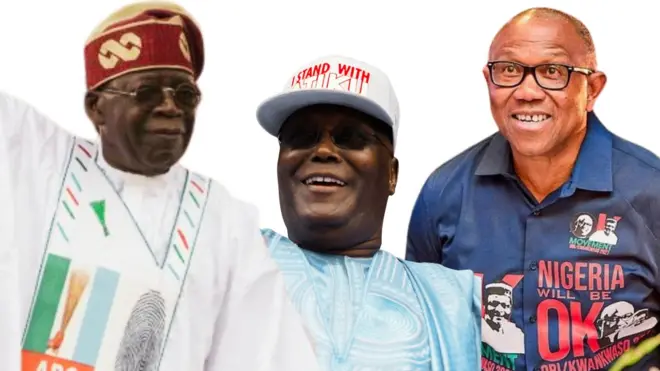
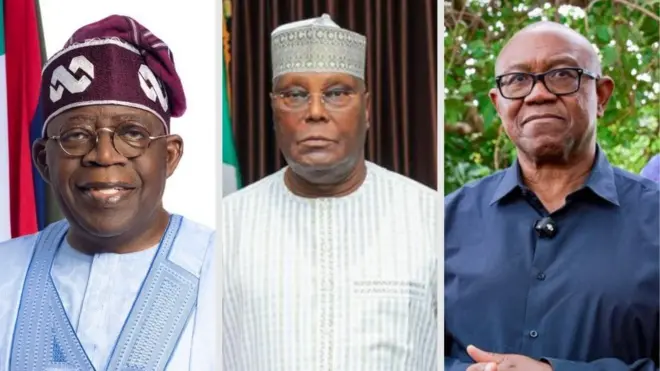
Di Independent National Electoral Commission (Inec) declare Bola Tinubu of di All Progressives Congress (APC) winner of di 2023 election afta one of di most fiercely contested elections for Nigeria.
Im main opponents, Atiku Abubakar of di Peoples Democratic Party (PDP) and Peter Obi of di Labour Party (LP) bin challenge di result for court, but Supreme Court finally uphold Tinubu victory.
Four years later, Nigeria dey return to polls wit very different political and economic situation.
Electoral rules don change, di ruling party don expand dia political reach, and voters dey face fresh concerns about cost of living, insecurity and electricity, while another generation of young voters go once again play important role.
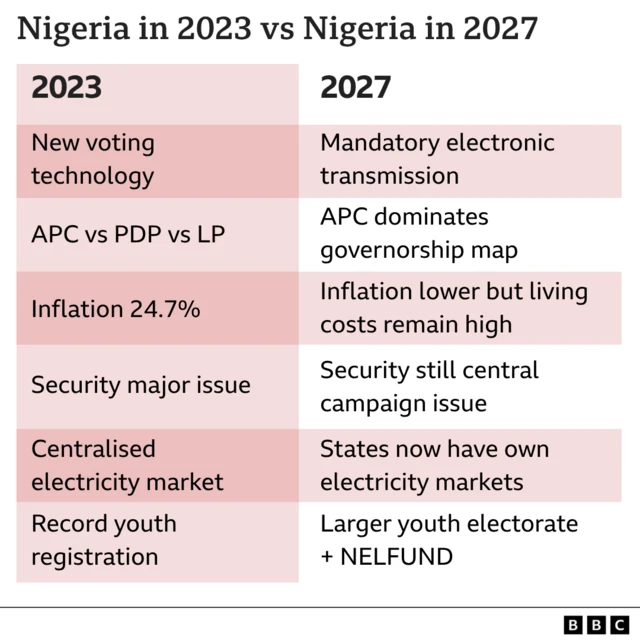
Hia na six ways Nigeria don change since di last presidential election.
Electoral rules don change
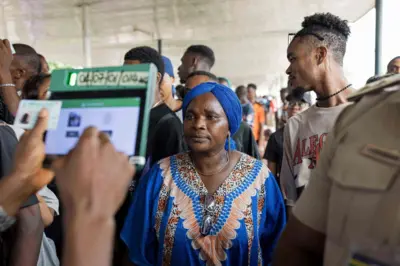
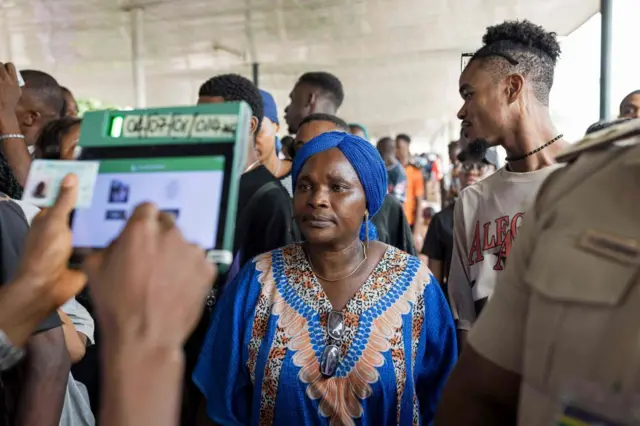
Di 2023 presidential election face plenty criticism afta Independent National Electoral Commission (INEC) fail to upload polling unit results to dia Result Viewing Portal (IReV) in real time, even though dem introduce di platform to improve transparency.


End of Di one wey oda users dey read well well
During several off-cycle govnorship and state assembly elections for 2022, di system bin work well, but during di presidential election, di Irev no work and Inec blame am on “technical glitch”, wey make many Nigerians question di credibility of di process.
As response, di 2026 Electoral Act introduce new provisions wey require Presiding Officers to electronically transmit polling unit results to di IReV portal afta dem complete, sign and stamp di prescribed Form EC8A, according to Section 60(3) of di Act. But di law still allow manual transmission wen network or system failure happun, one provision wey don kontinu to cause debate ahead of di election.
Sam Amadi, Director of Abuja School of Social and Political Thought, believe say di exception fit weaken confidence in di reforms.
“Di provision for manual transmission wen network or system failure happen fit create confusion for di political process, as some INEC officials fit decide not to upload results bicos of poor or unavailable network.”
INEC, however, argue say electronic transmission dey support, instead of replace, di existing manual collation process. Edo State Resident Electoral Commissioner Obo Effang say: “Nigeria voting system still dey done manually... dem dey count di votes manually, dem dey write di record manually for di result sheet, we dey use BVAS to take snapshot of dat result sheet and na dat one dem dey upload to INEC Result Viewing Portal.
From dia, dem dey collate results manually from local govment, state and national levels.”
As e tok about di new legal requirement, e add: “Whether network dey or e no dey, you go try upload am, but e no go change di fact say you still go do manual collation.”
Supporters say di reforms fit improve transparency, while critics argue say di exception for manual transmission fit create uncertainty. Weda di changes go restore public confidence in di electoral process go bicom clearer wen Nigerians vote for 2027.
Di Act also introduce direct party primaries, digital membership registers, downloadable voter cards and recognise two newly registered political parties, bringing di total number of parties to 20, including Nigeria Democratic Congress (NDC), wey opposition candidate Peter Obi dey run under.
Di ruling party don gain control of more states
Nigeria political landscape don change significantly since di 2023 election.
Four years ago, di presidential race be one of di most competitive since Nigeria return to democracy for 1999. Di ruling All Progressives Congress (APC) face strong challenge from Peoples Democratic Party (PDP) and Labour Party (LP), wey dia candidate Peter Obi energise plenty young and first-time voters.
But ahead of di 2027 election, di balance of political power don change. Plenty govnors don defect, leaving APC wit support of 30 out of Nigeria 36 state govnors. Dis development don lead to debate over weda di kontri dey move towards one-party system.
Similar political dominance don happun bifor. For 2007, wen di den ruling Peoples Democratic Party control 28 out of Nigeria 36 states.
Critics argue say dis concentration of political power, no matter di party wey hold am, fit weaken democratic accountability. Supporters, however, say govnors often align wit di party wey control di federal govment to improve cooperation and access to federal resources.
Security remain major wahala
Security mata dominate di 2023 presidential campaign and still remain one of di main issues ahead of di 2027 election.
During im inauguration on May 29 2023, President Bola Tinubu promise to make security im administration top priority, e say neither “prosperity nor justice fit prevail insecurity and violence.” E also promise to overhaul Nigeria “security doctrine and architecture.”
Since den, govment say dem don recruit additional 20,000 police officers, increase security funding and reshuffle senior security leadership.
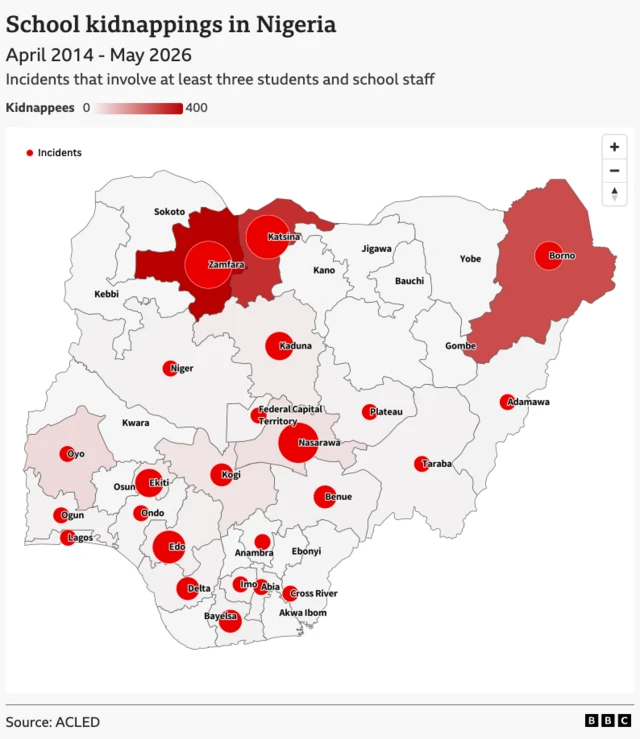
Despite dose measures, kidnapping, insurgency and other forms of violent crime don kontinu, wit violence wey spread beyond traditional hotspots for North-East and North-West into parts of South-West.
For Oyo State, for example, military recently secure di release of 45 abductees, including schoolchildren and dia teachers, afta dem spend 56 days in captivity.
One of di most high-profile incidents during dis administration na di abduction of more dan 300 children from St Mary's Private Catholic School for Niger State, di largest mass kidnapping of schoolchildren in one single incident.
According to Acled, Nigeria record 10 school abductions involving an estimated 1,127 schoolchildren and teachers between 2015 and 2023. During di first three years of Tinubu administration, di kontri witness nine mass abductions involving more than 500 pipo. Analysts say di spread of attacks into areas wey pipo previously consider relatively safe don bicom anoda major concern.
Di impact dey go beyond security. Attacks on farming communities don disrupt agricultural production and contribute to rising food insecurity. World Food Programme estimate say 35 million Nigerians fit face food insecurity for 2026, up from 24.8 million for 2023.
As Nigerians prepare to vote again, security likely go remain one of di main tins wey many voters go use to assess both di govment record and di promises of pipo wey dey seek to replace am.
Nigerians dey face ogbonge cost of living
Samson Itodo, Executive Director of Yiaga Africa say: “Evri Nigerian wey care about di quality of dia life suppose care about... who go dey elected for 2027, bicos di next set of leaders go make political and economic decisions wey go affect di fortunes of Nigerians.”
Issues wey concern pipo pocket don already dey shape political debate bifor Nigerians vote for 2023. Four years later, cost of living don bicom even bigger election issue.
During im inauguration, President Bola Tinubu announce di end of fuel subsidy. E say di budget wey e inherit no make provision for am. Since den, di removal of subsidy and floating of naira don reshape Nigeria economy, as e push transport costs, food prices and household expenses up.
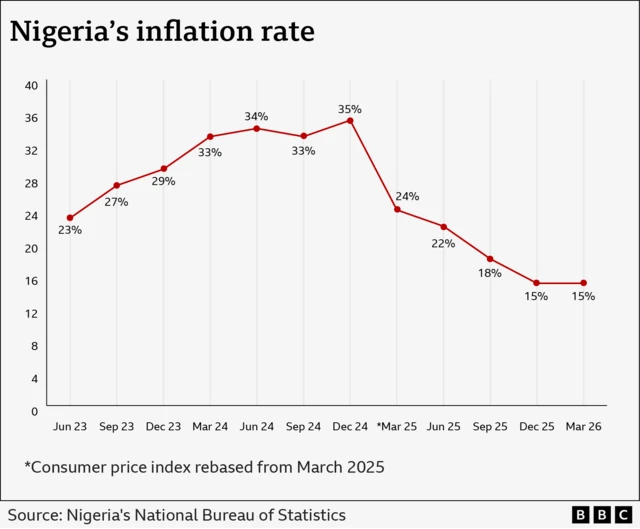
According to Central Bank of Nigeria data, inflation stand at 24.7% for 2023 bifor e rise to record 37.57% for August 2024. By January 2026, e don reduce to 17.18%, although many Nigerians still dey face high cost of living.
Economist Boniface Chizea believe say Nigeria economic challenges don bicom deeper since di last election.
“Nigeria get evritin wey e need to progress, but corruption, multiplied misery, brigandage and banditry dey undermine im growth prospects. Africa dey wia e dey bicos Nigeria no dey do enough.”
E argue say, despite lower inflation, “tins no bad as much for 2023” as dem dey now.
For many Nigerians, di main question for 2027 fit no be about political ideology but weda life don bicom more affordable compared to four years ago.
Electricity still remain test of govment performance
Reliable electricity don long be one of di promises wey Nigerians use to judge presidents, and e still remain major issue ahead of di 2027 election.
During di 2023 campaign, Bola Tinubu tell voters: “If I no give una constant electricity and I come back for second term, make una no vote for me, unless I give una good reasons why I no fit deliver.”
Since e enter office, Tinubu administration introduce some of di biggest structural reforms to Nigeria electricity sector for years. Di Electricity Act and constitutional amendment don, for di first time, allow states to establish dia own electricity markets by generating, transmitting and distributing power independently of di national grid.
Govnment also approve $2.4bn intervention to address longstanding debt inside di power sector, one move wey aim to restore di financial health of electricity companies and improve reliability.
Despite dose reforms, many Nigerians still dey experience frequent power outages while dem dey pay higher electricity tariffs.
According to Nigerian Electricity Regulatory Commission (NERC), Nigeria generate more dan 4,922MW for 2023. By January 2026, average of about 4,901MW dey available for dispatch from installed capacity of 13,625MW.
As households and businesses kontinu to depend on generators and other alternative power sources, electricity likely go remain one of di key tests of govment performance wen Nigerians vote for 2027.
Young Nigerians remain important voting bloc
Wia dis foto come from, Getty Images
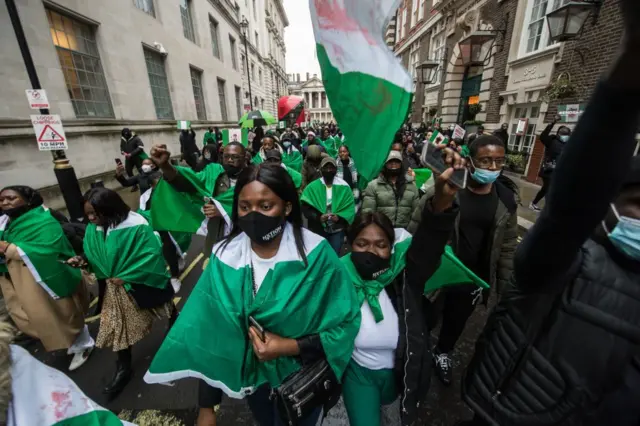
Young Nigerians help shape political conversation for 2023 and dem expected to remain one important voting bloc for 2027.
According to INEC, pipo between 18 and 35 years account for 76% of newly registered voters for di last general election, although only 30.56% of dem eventually cast dia ballots.
Youth registration don kontinu to increase. During di 2026 Continuous Voter Registration exercise, INEC add 2,782,589 new voters to di 93,469,008 registered for di 2023 election, bringing di total to 96,251,597 as of January 2026. Almost 69% of di new registrants na young people.
Historically, however, high registration no always translate to high turnout bicos of electoral violence, voter apathy and mistrust of di electoral process.
Why di world dey watch
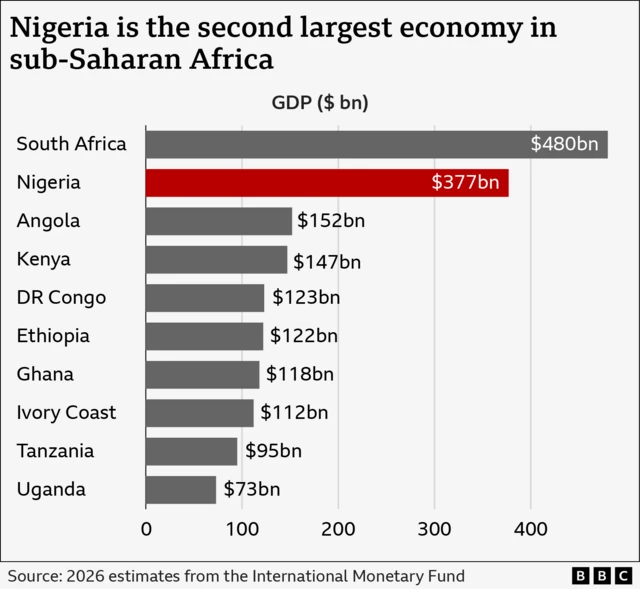
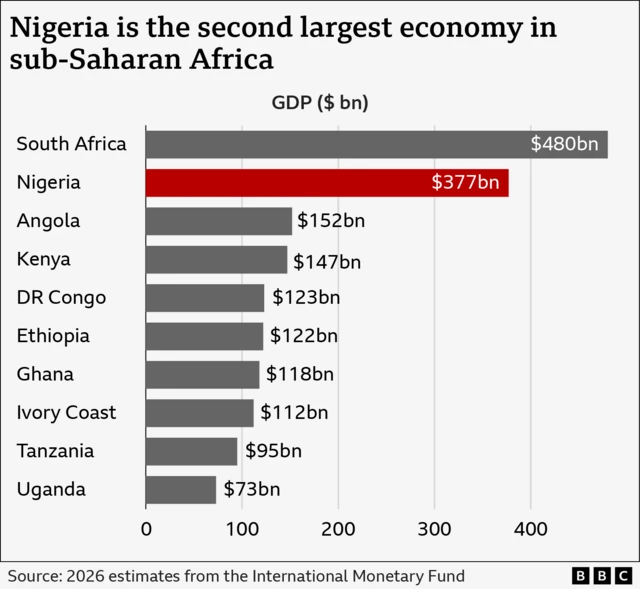
Nigeria 2027 election get importance beyond di kontri borders. As Africa most populous country and one of im biggest economies, political instability for Nigeria fit affect trade, migration, regional security and investment across West Africa and beyond.
Economist Boniface Chizea say di size and influence of di kontri mean say di consequences of prolonged instability go extend well beyond im borders.
“Nigeria na one strategically important country. We get kontri wey get 200 million pipo. No be many kontris for di world get Nigeria kind population or landmass, so if political crisis happun, inflation high and we get refugees wey dey comot from Nigeria, e go destabilise di West African subregion. E go also have impact all over di world, just like di current situation for Iran.”
But for Nigerians, di stakes dey more immediate. Four years afta dem last vote, dem dey return to polls for one kontri wey don change politically, economically and socially.
Wen dem cast dia ballots for 2027, many go dey consider one fundamental question:
Dem dey better off today dan wen dem vote for 2023?