Di new Fifa laws wey go change di 2026 World Cup
Wia dis foto come from, Getty Images
- Author, Ousmane Badiane
- Role, BBC Afrique
- Published
- Read am in 8 mins
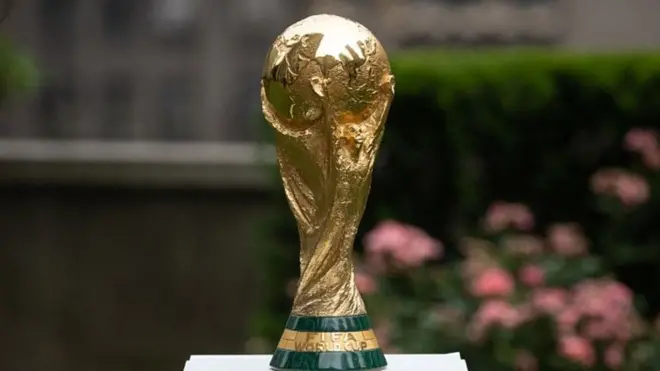
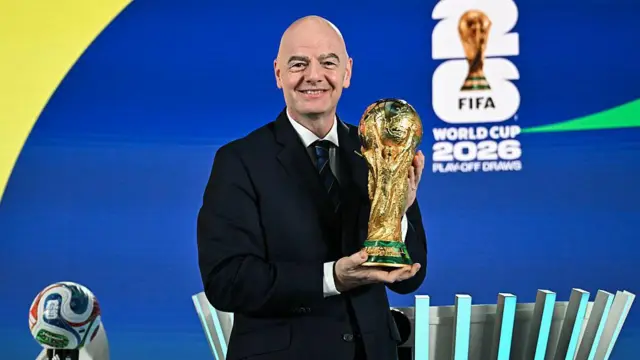
From 11 June to 19 July 2026, di football world go come alive to di rhythm of di 2026 World Cup, di first edition wey dem expand to 48 teams and wey three kontris - di United States, Canada and Mexico do collabo to host.
But beyond di expected showmanship wey go happun, dis World Cup go bring in football laws wey di International Football Association Board (Ifab), don approve. Ifab na di body wey dey set di laws of di game.
Strict timekeeping wey go fight time-wasting, disciplinary sanctions wey dem don strengthen, increased control of behaviour plus di role of VAR wey dem don expand. Dis new laws don already dey cause tok-tok and pipo around di world dey ask kwesions.
Many football fans dey hope for beta, sweet and interesting matches, while odas no like how dem don make football like "robot" wia dem dey monitor evri action plus di fear say interruptions wey dey linked to VAR fit spoil di emotion of di game.
For statement wey dem issue afta di extraordinary meeting wey hapun for Vancouver, IFAB announce say dem unanimously approve two changes wey Fifa propose to fight discriminatory and inappropriate behaviour for pitch.
Di organisation note say dis decisions follow consultations wey dem bin do wit various stakeholders for world football.
Di main objective dey clear: to increase effective playing time, make matches dey more enjoyable and make dem strengthen di authority of referee.
Dem go kon extend dis measures, wey dem go test fully during di 2026 World Cup, to oda international and national competitions.
Red card for 'mouth wey dey covered'
Wia dis foto come from, Getty Images
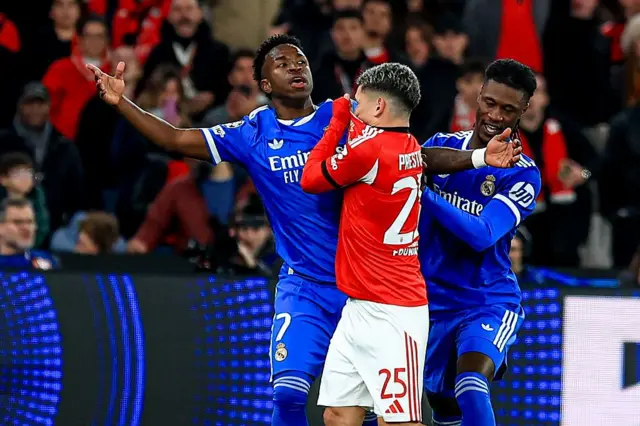
Among di most discussed new measures, di one wey say any player wey deliberately cover im mouth during any confrontation wit im opponent go collect red card na im pipo dey discuss pass.
Dis na practice wey dey common for modern football, wia ogbonge players dey try to hide wetin dem dey tell dia opponent so dat camera no go see as dia mouth dey move.
From now on, dis new law wey no dey compulsory for pipo wey dey organise football competitions fit dey interpreted as unsporting behaviour and di player go get straight red card wey go re,ove am from di pitch.
To cover mouth wen you dey tok to opponent or referee fit lead to dismissal, dis effort na to stop discriminatory, insulting or unsporting tins wey players dey tok.
Di measure na to prevent certain exchanges wey dey impossible for referees, broadcasters or potential lip-reading experts to read.
Na sake of di case wey involve Gianluca Prestianni, di Argentine Benfica Lisbon player wey dem accuse say e make racist insults towards Vinícius Júnior during one Champions League match dis season against Real Madrid, dem still dey investigate dis case.
Wit plenti cameras and global broadcasts, football authorities dey increasingly seek to control not only actions but also communication between participants for di pitch.
Sanction for too much protests
Wia dis foto come from, Getty Images
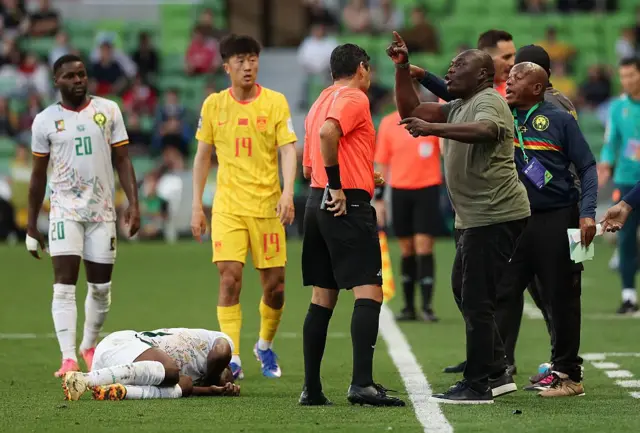
Anoda major change be say dem fit punish protesters wit much more serious sanctions.
Fifa don introduce strict measure against too much protest and to comot from field.
Any player wey deliberately comot from di pitch to contest any referee decision dem go send am off.
Dis rule fit also apply to a member of staff wey encourage players to comot from field.
For dis case, di team wey dey responsible for any deliberate stoppage of di match, di referee fit declare say dem don lose or forfeit di match.
Di measure come sake of di growing tensions wey surround refereeing for many international and African competitions.
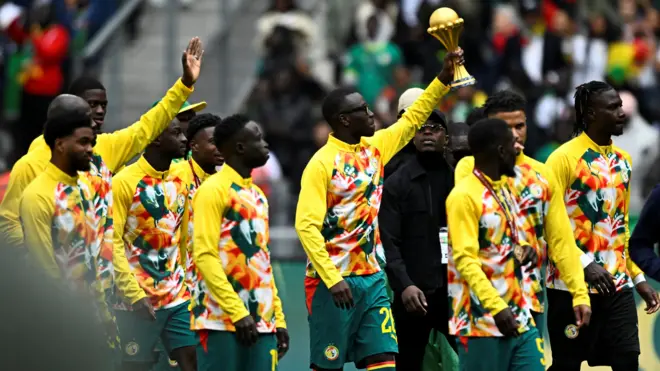
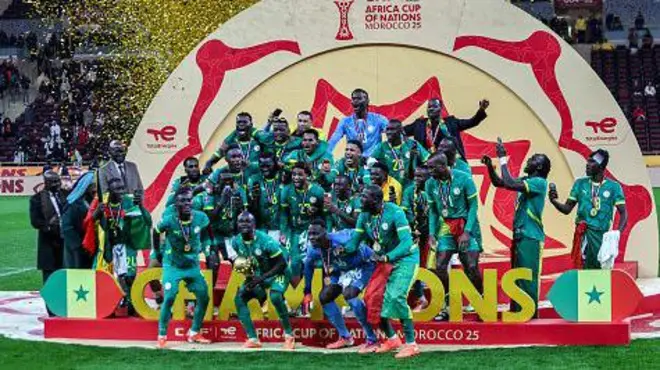
Dis new provision particularly come afta incidents during di controversial final of di 2025 Africa Cup of Nations between Morocco and Senegal.
In recent years, several football matches around di world get drama of confusion: players wey dey surround referee, pipo for bench wey dey strongly contest decisions, and interruptions wey dey take too much time plus physical threats against officials.
Fifa also strengthen di role of di captain. Im go remain di main point of contact wit di referee, while oda players fit get yellow card if dem surround di official, even without any aggressive behaviour or verbal protest.
For Fifa and Ifab, di idea na to restore di authority of referee and prevent matches from kasala wey go scata di match no hapun.
Expanded VAR
Wia dis foto come from, Getty Images
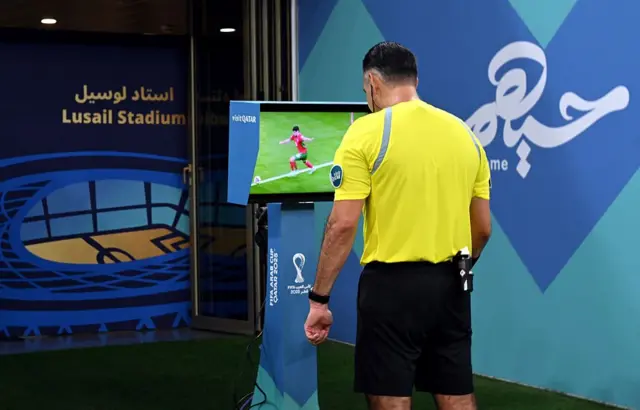
Video assistance (VAR) na anoda key aspect of di reforms.
E go intervene for more contentious situations, particularly wen e concern disciplinary errors or major decisions.
Until now, e bin dey limited to direct red cards, di use of VAR go dey extended to certain situations wey involve a second caution wey go leading to dismissal (red card)
Di aim na to reduce injustice and correct referee errors.
Two specific cases na im dem go target: mistaken identity and sanctions wey dem give to di wrong player or di wrong team.
Ifab dey also open di possibility to review certain corners wey dem dey award in error.
Competitions fit allow video referee to intervene wen dem no fit justify any corner so far as dem fit check am sharp-sharp and e no affect di flow of di match too much.
Since dem introduce am, VAR don deeply divide di football world. Pipo wey dey support am see am as an essential tool to reduce injustice, while di pipo wey no like am dey argue say e dey make football slow, more technical and sometimes e no dey to give beta enjoyment.
In Africa too, di debate dey particularly relevant, sake of differences for technological resources between federations and wen referee controversies dey hapun evritime for continental competitions.
Time-wasting
Wia dis foto come from, Getty Images
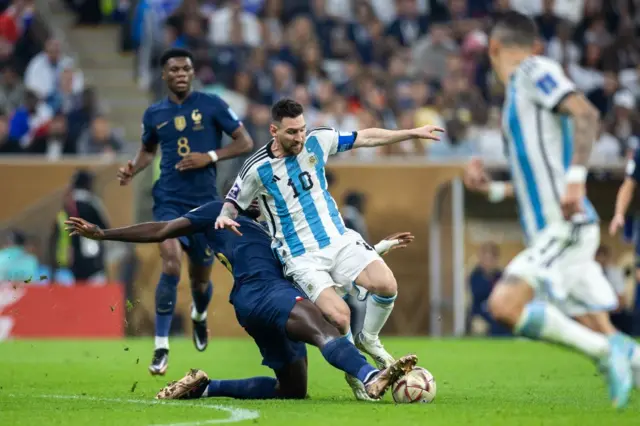
Another important law for di 2026 World Cup na time-wasting wen players dey tackle pesin.Throw-in dem, and delayed clearances go now dey under strict regulation.
Dis objective na to make play dey more free and entertaining and to also avoid interruptions wey too long.
If di referee consider say players dey deliberately delay throw-in or clearance, dem go begin countdown to five-seconds and evribody go see di countdown timer.
If dem no put back di ball into play before di end of di countdown, possession go automatically change sides. For goal kick, di opposing team go get corner kick
Substitutions too go dey tight and dem go control am. As soon as di number of di player wey dey coot from field appears for di electronic board or wit di referee signal, di player get ten seconds to comot from field.
Afta dis time, im must comot sharp-sharp, but di pesin wey go replace am go only enta field for di next stoppage time afta at least one minute don pass.
Dis na to discourage how players dey deliberate comot slowly from pitch just to wasting time wen matches don dey end.
Interruptions for injuries dey affected too. Any player wey need medical staff intervention go temporarily comot from field and wait for one full minute before im return to play, except for special cases.
Di time wey player go cross di field slowly wen whistles dey blow, and di player go stop to hail di crowd, or show say dem get any wound or injury go fit dey costly for im team for di 2026 World Cup.
For many observers, dis measure represents only small revolution for a sport wey historically no dey gree adopt temporary exclusions, unlike rugby or handball.
Yellow cards reset
Finally, di law wey concern suspensions for plenti yellow cards, dem don carry am go di new expanded format of di World Cup wit 48 teams.
Dem go clear all cautions afta di three group matches, den again afta di quarter-finals, dis na to avoid too much suspensions (yellow card) for di expanded tournament.
Under di current rules, a team bin gatz play five matches to reach di quarter-finals (compared wit four previously), and two yellow cards for any of these matches wey lead to di player automatic suspension.
Dis development na to prevent too many ogbonge players and star figures from missing decisive matches for di tournament.
For Fifa, dis new laws reflect di desire to put greater control over football: strict time management, bring back referee authority, discipline and respect, inprove monitoring of behaviour and acts of unsporting conduct wey fit cause kasala.
Di 2026 World Cup go serve as a full-scale test. Na afta di tournament dem go know weda na a step forward towards greater fairness and spectacle, or na loss of sweet fast football wia emotion, tension and protest na also part of di game.