How to make sourdough bread
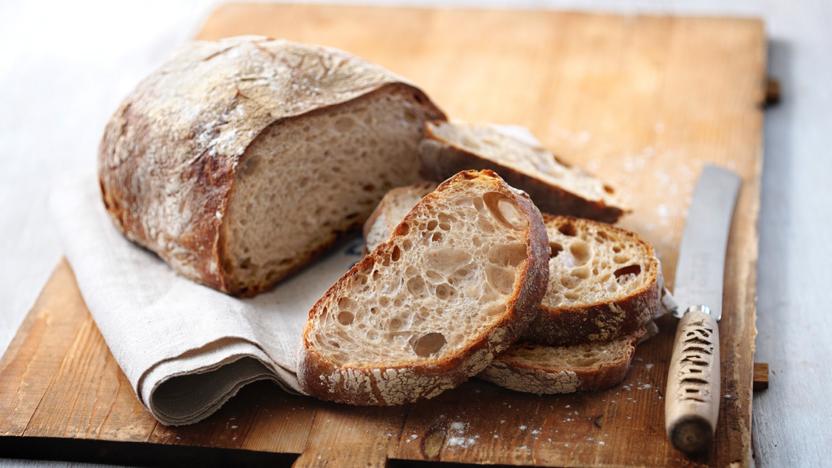
- Prepare
- over 2 hours
- Cook
- 30 mins to 1 hour
- Serve
- Makes 2 small loaves
To make sourdough bread you need to use a ‘starter’ mixture that takes the place of yeast. The starter takes about 5 days to develop (or you can buy it online), but once you have it you can keep it alive and use it whenever needed. It's a bit like having a pet.
By Patrick Ryan
Ingredients
- 500g/1lb 2oz strong white bread flour, plus extra for dusting (see recipe tips)
- 2 tsp brown sugar
- 2 tsp salt
300g/10½oz sourdough starter
- flavourless oil, for greasing
Method
Mix together the flour, salt and sugar in a large bowl. Add the sourdough starter and 250ml/9fl oz water. Mix to form a shaggy dough.
Tip the dough out onto a work surface and knead for 10 minutes or until the 'windowpane effect' is achieved (where the dough can be stretched until it is so thin that it becomes transparent without tearing – watch the recipe video, above, for more information). Try not to add any extra flour if you can, the dough will be very sticky at first, but will get easier to handle as you continue kneading. (A dough scraper is handy for scraping up any bits of dough that stick to the work surface.)
Put the dough into a clean, lightly oiled bowl. Cover with a damp tea towel and leave to prove for 2½–3 hours. You won't notice as much of a rise in the dough as you would with a normal, yeasted bread and it will take a lot longer.
Turn out the dough onto a work surface and knock back. Portion the dough into two and shape into two ball-shaped loaves. Flour generously. Place each loaf seam-side up in a bowl lined with a couche cloth or a heavily-floured tea towel – without the cloth, your loaf will stick in the bowl and you won't be able to turn it out. Leave to prove for a further 2½ hours.
Preheat the oven to 230C/210C Fan/Gas 8. Put a few ice cubes or cold water into a baking tin and place in the bottom of the oven to create steam.
Turn the loaves out onto a baking tray or preheated baking stone. Using a thin sharp knife, score two or three times on the top of the loaf and place in the oven.
Bake for 35–40 minutes or until a good crust has formed and the loaves sound hollow when tapped on the base.
Allow to cool completely on a wire rack before slicing or storing.
Recipe tips
The dough can be made the day before baking allowing the fermentation process to be extended further. Once the dough is rolled, place it in the fridge and leave overnight. Remove 1½ hours before baking.
If you don't have a dough scraper, you can use a palette knife or any turner/fish slice/spatula with a straight edge. However, dough scrapers are cheap and well worth the investment if you make bread regularly.
What's the best flour to use for sourdough?
This recipe uses white bread flour as that's the easiest to handle when starting to bake sourdough. Good-quality strong bread flour is essential (do not use plain flour). When trying to assess how strong a flour is, look at the amount of protein per 100g on the nutrition label – you'll see it varies from around 12–15g. The more protein there is, the stronger the flour.
How the flour is milled makes a difference too, but using a really strong flour is the most important factor. You can buy traditionally stoneground flour, which can have a better flavour and result in more fermentation (which in turn helps the bread rise), but it's more expensive. In the UK and EU, all white flour is unbleached by law.
Why is my sourdough loaf dense or not rising properly?
It's most likely to be an issue with your starter. To work well a starter needs to be very active: bubbling and it should at least double in size after feeding. Your starter should also be used at the right time after feeding. This is normally a few hours after feeding when it is very active, but before it reaches its peak (exactly how long this takes will depend on the temperature in your kitchen and how active your starter is). Visual signs that your starter is ready to use are lots of bubbles, a big increase in size and the top of the starter will be slightly domed – as it reaches its peak, the top will be totally flat and then start to fall.
How active your starter is will change how long your loaf needs to prove. Inadequately proved or overproved dough can also cause a dense loaf. The dough is sufficiently proved when it has increased in size significantly (though it is unlikely to double in size as it does when using commercial yeast) and it springs back slowly when you press a floured finger into it (if it springs back immediately it needs longer, but if it doesn't spring back at all it's overproved). Watch the recipe video, above, for a visual reference at 5.35 minutes in.
How to store sourdough bread
Allow your loaves to cool completely before wrapping in paper or a clean cloth. To store for long periods, freeze whole loaves or slices in the freezer after wrapping well to avoid freezer burn. If your loaf is a little stale, you can refresh it by heating in a low oven (about 160C) for a few minutes.
How-to videos
Related recipes

Try as part of this menu
Christmas breakfast menu. Menu Christmas breakfast menu
With some make-ahead elements, including muffins you can make the night before, this luxurious Christmas breakfast menu will get everyone prepared for a day of festive fun.

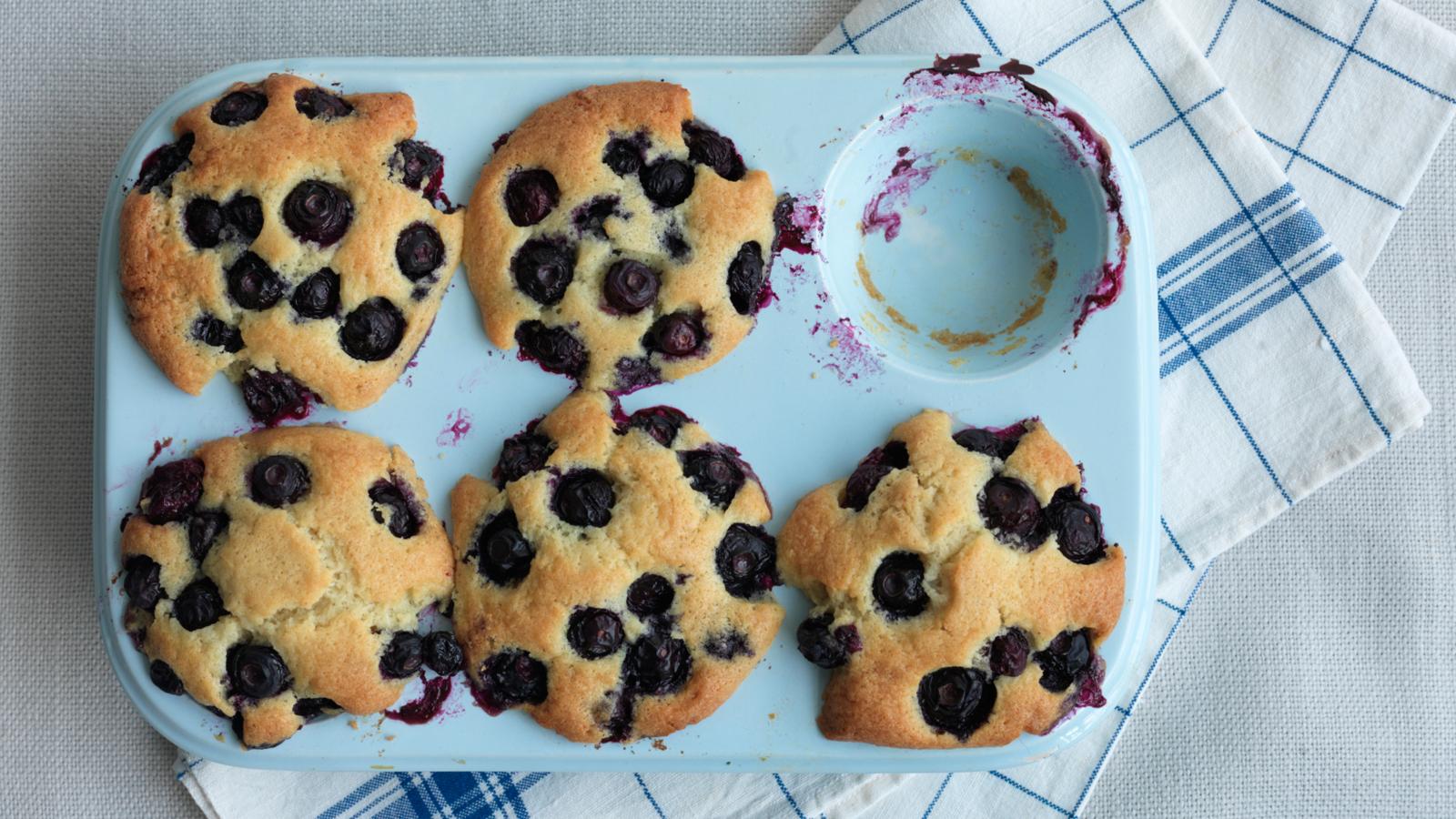
Blueberry muffins. By Paul Hollywood
Cakes and baking

Christmas smoothie. By Emily Angle
Drinks and cocktails

Buck’s fizz. By Jack Wakelin
Drinks and cocktails