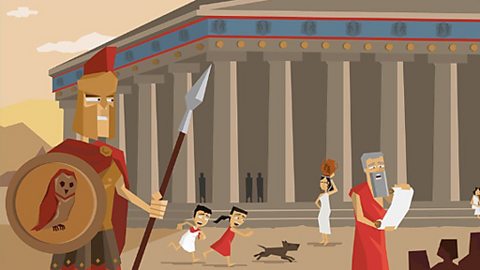
What did the ancient Greeks believe about their gods and heroes?
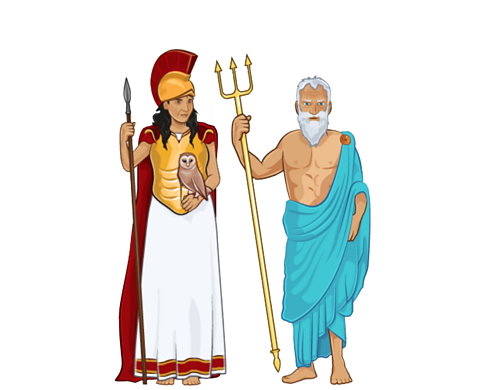
The Ancient Greeks believed that powerful gods and goddesses ruled every part of the world.
Each god had their own personality, symbols and powers.
Heroes like Heracles and Perseus were celebrated for their bravery and adventures.
Stories about gods and heroes helped helped explain natural events and taught people lessons.
Today people can study Greek myths to find out what values and actions the Ancient Greeks thought were important.
Important words
Important words about Ancient Greek gods and goddesses.
| Keyword | Definition |
|---|---|
| Festival | A celebration, often held in honour of a god or many gods with music, games and feasts. |
| Heracles | A famous hero in Greek mythology known for his strength and for completing the Twelve Labours. |
| Myth | A traditional story that explains beliefs, nature or customs, often involving gods and heroes. |
| Procession | A line of people walking together for a ceremony or festival. |
| Sacrifice | An offering, often of an animal or food, given to the gods to show respect. |
| Shrine | A special place built to honour a god or goddess. |
| Temple | A building where people worship a god or goddess. |
Who were the gods and goddesses of Ancient Greece?
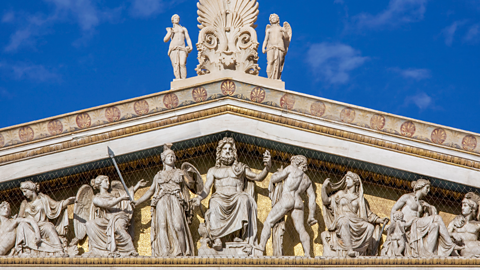
The Ancient Greeks believed that their gods and goddesses watched over them.
These gods were a bit like humans, but they lived forever and were much more powerful.
They felt human emotions, like love, anger and jealousy, and they did not always behave themselves.
Every city in Greece had a 'patron' god or goddess and people believed patron gods protected them from harm.
The Greeks thought the gods lived high above Mount Olympus, in a palace in the clouds and that from there, they kept an eye on life below.
From time to time, gods would interfere in what was going on - they could send storms if they were angry and decide who would win in a war.
How did the Greeks show respect to their gods?
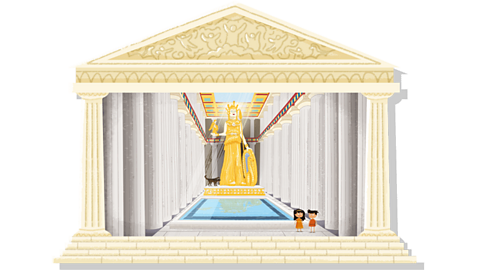
The Ancient Greeks built buildings called temples and special smaller places called shrines where they worshipped their gods and where they believed the gods would watch over people closely.
They offered sacrifices. These were offerings or gifts to the gods of animals or food, at altars in front of temples.
Large public festivals were celebrations often held in honour of the gods with music, games and feasts.
Festivals brought people together as a community. During them, people took part in processions walking in line together as part of the celebrations. They also listened and danced to music, joined sporting contests and gave generous offerings to the gods.
What were Greek temples like?
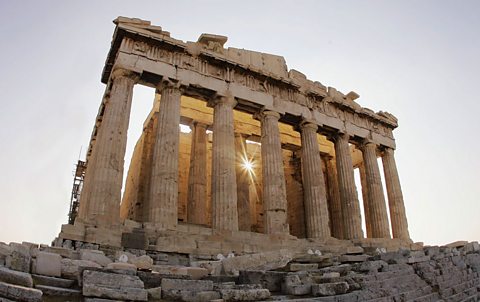
The Ancient Greeks built temples to honour their gods and goddesses.
Some temples were small, while others were very grand and beautiful with amazing decorations.
One of the most famous was the Parthenon in Athens, built for the goddess Athena.
When people needed help from the gods, they went to the temple to pray.
They might go if they were feeling sick, going on a journey or worried about the harvest and wanted to make sure they had enough food.
Why were heroes important in ancient Greek stories?
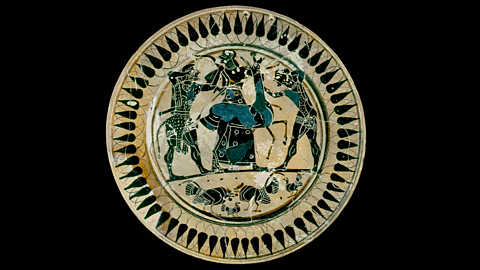
The Ancient Greeks told stories, called myths. These are traditional stories that explain beliefs, nature or customs. They often involve gods and heroes.
The brave, strong and courageous heroes were often helped or challenged by the gods.
Through these stories, Greeks taught lessons about bravery, cleverness and respect for the gods.
Who was the Greeks' favourite hero?
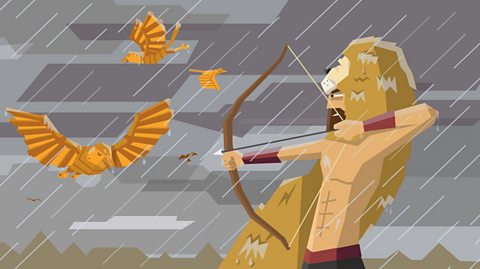
The Ancient Greeks loved to share stories about brave heroes and their great adventures.
A lot of people's favourite Greek hero was Heracles who the Romans called Hercules.
They thought that he:
- was Zeus’s son
- was very brave
- was so strong he could kill a lion with just his hands
- sailed with Jason and the Argonauts, who went to find the Golden Fleece
- performed 12 ‘impossible’ tasks
In the stories about him, it was said that he was killed when he was tricked into putting on a poisoned robe. However, Zeus liked Heracles so much that he took him to Mount Olympus and made him immortal - he could live forever.
What happened to Greeks when they died?
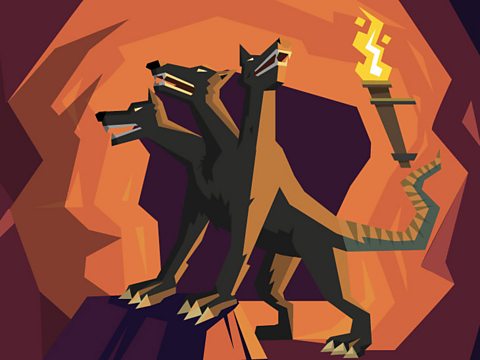
The Ancient Greeks believed that the dead went to the Underworld.
This was an underground kingdom ruled by the god Hades.
To reach the Underworld, dead souls had to cross the River Styx, where a grumpy ferryman called Charon would take them across - but only if they paid him.
Some Greeks would place a coin in the mouth of a dead person at funerals, to make sure they could pay the fare.
After crossing the River Styx, three judges decided where the dead person should spend eternity (forever). If someone been very good, they were sent to the best part of the Underworld to live happily in Elysian Fields.
If they had lived a normal life, they were sent to the Asphodel Meadows.
But if they had been very bad, they ended up in Tartarus, a horrible pit where they were punished and their soul was tortured forever.
Think like a historian
Have a look at the thinking points below and think about your answer to the questions. You could even write them down on a piece of paper or discuss them with somebody else if you want to.
Why did the Ancient Greeks build temples and hold festivals for their gods?
What do Greek myths and stories about heroes like Heracles tell us about what the Greeks valued?
How do the ways the Ancient Greeks showed respect to their gods compare to how people show respect in religion today?
Perhaps you remembered that the Ancient Greeks believed their gods controlled nature and human life, so they built temples as homes for the gods and held festivals to thank and honour them. These events helped communities come together in worship and celebration.
How many Ancient Greek myths do you know? Maybe you thought that bravery, strength, cleverness and loyalty were values that heroes such as Heracles and others showed through their actions. Myths taught the people lessons about courage and the difference between right and wrong.
Did you remember that the Greeks showed respect to their gods through sacrifices, offerings and festivals? How is this similar to how some people worship today, and how is it different? You might have thought about modern religious festivals that people celebrate at.
Activities
Activity 1: Interactive – Greek gods and goddesses
Each god and goddess had power over a different aspect of life or the world.
Click below to find out a bit more about them.
Activity 2: Quiz – Greek gods and heroes
Let's find out what you know about Ancient gods and heroes.
Game: The Argo Odyssey
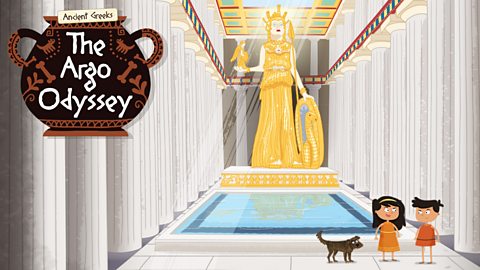
Argo the dog is missing! He was last spotted inside a magnificent temple.
Play the game to make a sacred offering to the gods and goddesses. There are lots more mini-games and puzzles about life in Ancient Greece. Escape from the Minotaur's maze and defeat the terrifying Medusa.
Grown-ups corner
Are you a parent, carer or teacher?
Take a look at some of the links below on KS2 History which are packed full of knowledge, videos, quizzes and activities.
KS2 Ancient Greece
BBC Bitesize for Teachers
KS2 Ancient Greece: Gods, goddesses, myths and magic
BBC Bitesize for Teachers
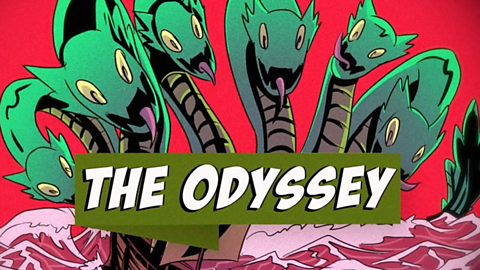
Ancient Greek mythology: The Odyssey
BBC Bitesize for Teachers
Horrible Histories: Raid and Trade game! game
Play Horrible Histories: Raid and Trade KS2 History
More on Ancient Greece
Find out more by working through a topic
- count5 of 15
- count6 of 15
- count7 of 15
- count8 of 15