Sometimes we make plans for the future, but the plans don't actually happen. Speakers of English use was/were + 'going to' + base verb (without 'to') to look back at the plans we made but didn't do. I was going to visit my uncle in Thailand last Spring, but I couldn't afford a ticket.
I was going to wash the dishes, but there wasn't enough time.
I was going to go to Poland for Christmas, but I stayed in France. Time expressions can be used if the speaker wants to say when the action should have happened.
I was going to visit my uncle in Thailand last Spring. But it is not always necessary to use a time expression.
I was going to wash the dishes.
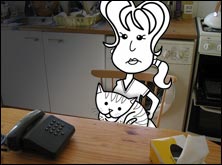
I was going to meet a gorgeous man.
He was going to be funny, and rich too. When the subject of the sentence is I/he/she/it, use 'was'.
I was going to meet a gorgeous man. He was going to be funny, and rich too. When the subject of the sentence is you/we/they, use 'were'.
We were going to get married. | 





 (rhymes with 'buzz') and 'were' becomes 'wuh'
 (rhymes with 'the')


