BBC Proms 2007
BBC Proms fact sheet
The Proms make up the largest, longest-running musical festival in the world.
If you’ve ever wondered what they are, how much they cost to present or who
hears them, here are the facts.
What are the BBC Proms?
The BBC Proms is the world's biggest classical music festival, packing around 120 events featuring all the world's greatest artists and composers into the two-month season.
There are 90 concerts – 72 at the Royal Albert Hall, 13 at Cadogan Hall,
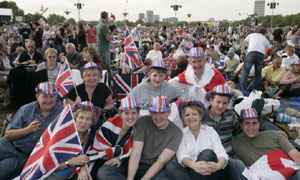
and five BBC Proms in the Park events around the country on
the Last Night, as well as Pre-Prom Talks, films and Composer
Portraits.
How can I find out what's on when?
The BBC Proms 2007 Guide, published on Wednesday 25 April 2007, contains full details of the complete programme of concerts, along with articles about the music and artists, and an advance booking form. Full details are also on the Proms website: bbc.co.uk/proms
Why "Proms"?
Proms is short for Promenade concerts – informal and inexpensive concerts where Promenaders (now 'Prommers') stand to watch the concert for £5.The Henry Wood Promenade Concerts, now known as the BBC Proms, have 900 Prommers standing in the central arena ('the best "seats" in the house'), and a further 400 standing, sitting or even lying down in the gallery.
Where are the Proms held?
Since the first home of the Proms, the Queen's Hall, was bombed in 1941, the Proms have been held every summer in the Royal Albert Hall as a key part of the Hall's programme of events.The Proms work closely with the RAH on all aspects of the season's logistics, but the responsibility for the artistic programme is the BBC's.
When did the Proms begin?
The Henry Wood Promenade Concerts began at 8.00pm on Saturday 10 August 1895. Even then, prom concerts were not a new idea: they started in France in the 1830s and were introduced to the UK shortly afterwards.
How long has the BBC looked after the Proms?
For 80 years! 2007 marks the 80th anniversary of the unique partnership between the BBC and Proms. Since Henry Wood invited the BBC to run the concerts, it has organised, coordinated, promoted, funded and broadcast the Proms throughout the UK.
Who was Sir Henry Wood?
Sir Henry Wood was the first conductor of the Proms, aged only 26, and the energetic and inspired programme-planner of many Proms seasons. He conducted almost every concert for nearly half a century.
How many people attend the Proms?
In recent years the number of tickets sold each season has been over 250,000 (the actual attendance is higher because of the Hall's private seat-holders).
What is the current cost of a Proms ticket?
You can come and Prom for just £5. A Promming season ticket costs £185 (Arena) and £160 (Gallery).There are different price bands for different concerts; apart from the Last night, ticket prices range from £6 up to £45.
How much do the Proms cost to put on?
The total cost of the Proms season (including hire of the RAH, artistic costs, marketing, management, and extra events not including Prom in the Park) is £8.5 million.
How much does the box office contribute?
The total ticket income is currently just over £3.6 million; and the remaining funding comes from the BBC licence fee.
How do modern day Proms reach worldwide audiences?
Proms have become accessible worldwide due to radio, television and the internet.The BBC reaches out to every country by broadcasting the Proms live on BBC Radio 3, which anyone can listen to live, or for up to seven days after the Prom, via the internet.
The Proms are broadcast
on BBC One, BBC Two and BBC Four television and
the televised Last Night is also seen around the world by
millions. Proms can also be heard via the English network of
the World Service and through the European Broadcasting
Union, making the Proms accessible to many European and
US public radio stations.






 Printable version