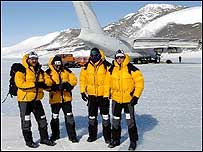
Four Royal Marines have set off on one of the most arduous and famous treks in history. The commandos from Lympstone in Devon are retracing the steps of Scott of the Antarctic, who led an ill-fated expedition to the South Pole in 1912. Just like their illustrious predecessor the four soldiers are hauling sledges across the frozen wastelands, but they are hoping to ski back with the aid of huge kites. If they succeed, their 1,500 mile journey - unsupported by dogs or vehicles - will be the first British military return South Pole trip. 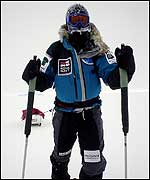 | | Marine Craig Hunter on the Antarctic ice |
The marines were airlifted into Antarctica's Patriot Hills on 12 November 2006 where they began their epic journey to the pole in temperatures of -18 Celsius and 10 knot winds. The four-man Polar Quest team is being led by Royal Marine Captain Sean Chapple, from Taunton, Somerset. "At last we have arrived in Antarctica," said Capt Chapple in a diary entry on the expedition website. "The mission ahead of us is immense, but my colleagues are outstanding, the preparations made and training completed make us very strong contenders for success - with a healthy dose of good weather on our side. "We received a 30 minute call at 6am and we packed quickly, had a last minute shower and set off for the airport. Unfortunately the short notice meant we couldn't make last minute phone calls to loved ones." 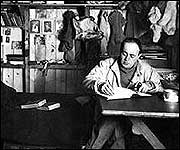 | | The explorer Robert Falcon Scott |
The other team members are Royal Marines Major Paul Mattin from Woodbury Salterton, Marine Craig Hunter from the Commando Training Centre at Lympstone, and Royal Navy Surgeon Lt Cdr Andy Brown from Holsworthy. They'll be following in the footsteps of Captain Robert Falcon Scott, the Plymouth born explorer, whose unsuccessful 1912 expedition was the last time military personnel were involved in a trip to the South Pole. The expedition will see them ski for 50 days. They plan to arrive on Christmas Day, when they will hold a memorial service in recognition of the endeavours of Captain Scott and others, who have undertaken such expeditions in the past. The return leg of the journey, however, is expected to take less than half the time as they will be towed by giant kites, completing the 1,500-mile round trip in as little as 65 days. 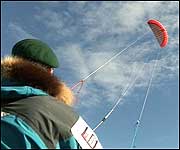 | | Testing one of the giant kites |
"Our sledges attach to rings on our waist belts - so in effect the kite pulls the sledge with you in the middle just controlling the whole system," said Lt Cdr Andy Brown. "All you're doing is giving it a little gentle encouragement in the direction you want it to go - it's quite a relaxing way to travel." Capt Chapple added: "The key is to keep it nice and steady and not get the temptation to put the kite on full power and be racing along Antarctica at 30 miles per hour." If they achieve their goal they won't just have followed in famous footsteps, but they will have have earned a place in history. Expedition photos courtesy Polar Quest website. |